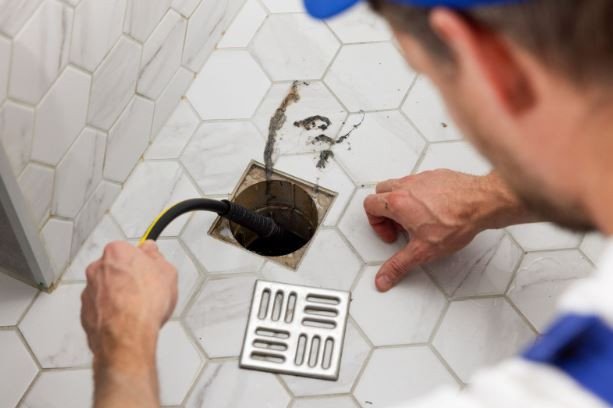
A shower drain clogs for one reason: hair mixed with soap scum, observes Astoria Charm. The hair catches on the drain crossbars or the stopper mechanism. The soap scum coats the hair and makes it sticky. More hair accumulates. The clog grows. Water drains slower and slower until it does not drain at all and you are standing in ankle-deep water at the end of a shower. The fix costs $3 to $15 in tools and takes 15 to 30 minutes. The most effective tool is a plastic hair snake, also called a Zip-It, which costs $3 to $5 and pulls the hair out of the drain in one motion. Here is how to clear a shower drain, in order from the simplest method to the one that requires removing the drain cover.
The Zip-It Tool: The First Thing to Try
A plastic hair snake is a flexible strip of plastic with barbs along both edges. It costs $3 to $5 at any hardware store, drugstore, or supermarket. Insert the barbed end into the shower drain. Push it down as far as it will go, typically 12 to 18 inches until it hits the P-trap. The barbs are angled downward so they slide past the hair on the way in. Pull the tool straight up. The barbs catch the hair and pull it out in a single wet, soapy clump. The clump will be larger and more disgusting than you expect. Dispose of it in the trash, not down the drain. Run the hot water for 30 seconds. If the drain is still slow, repeat the process. The first pass pulls the main clog. A second pass pulls the remaining hair that was packed against the pipe walls.
The Zip-It works on most shower drains without removing the drain cover. The barbed strip is thin enough to pass through the crossbars or the stopper opening. If the drain has a flat strainer with holes too small for the Zip-It to pass through, remove the strainer before using the tool. The strainer is held in place by one or two screws or snaps into the drain body. Remove the screws or pry the strainer up with a flathead screwdriver.
The Plunger: Seal the Overflow First
A plunger works on a shower drain the same as on a sink, with one critical difference: the tub or shower has an overflow opening. The overflow is the metal plate on the wall of the tub or shower, below the spout, typically with a lever that operates the drain stopper. The plunger pushes water into the drain. If the overflow is open, the water and the pressure escape through the overflow instead of going through the clog. The plunger makes a splashing sound and nothing happens.
Cover the overflow opening with a wet rag. Hold the rag in place with one hand while plunging with the other. The rag must seal the overflow completely. Duct tape over the rag holds it in place and frees both hands for the plunger. Fill the shower pan with enough water to cover the plunger cup. The water transmits the plunger’s force to the clog. Pump the plunger vigorously 10 to 15 times. On the last pump, pull the plunger sharply upward to pull water and debris back toward you. Run the hot water. If the drain flows freely, the clog is cleared.
Do not plunge a shower drain immediately after using a chemical drain cleaner. The plunger will splash caustic water onto your skin and into your eyes. If you have already used Drano or a similar product and it did not work, run the shower for 5 minutes to flush the chemicals out of the standing water before plunging.
Remove the Drain Stopper to Access the Clog
If the Zip-It and the plunger do not clear the drain, the clog is deeper or more compacted than those tools can reach. Remove the drain stopper to access the drainpipe directly. Most shower drain stoppers are one of three types. A lift-and-turn stopper unscrews from the drain body. Hold the stopper knob, turn it counterclockwise until it unscrews completely, and lift it out. A push-pull stopper lifts straight out with a firm upward pull. A toe-touch stopper has a spring-loaded cap. Press it down to open the drain, then unscrew the cap from the center post. Remove the cap and unscrew the center post from the drain crossbars.
With the stopper removed, you can see directly into the drainpipe. Shine a flashlight down the drain. A visible clump of hair within the first few inches can be pulled out with needle-nose pliers or a bent wire coat hanger. If the clog is not visible, insert the Zip-It deeper than before, now that the stopper is no longer blocking the path, or use a drain snake.
The Drain Snake: When the Clog Is Deeper
A drain snake, also called a plumbing auger, is a flexible steel cable with a corkscrew tip that is fed into the drain, rotated to snag the clog, and pulled back out. A 1/4-inch by 15-foot or 25-foot drain snake costs $15 to $30. Insert the snake into the drain opening. Push the cable in while rotating the handle clockwise. The rotation helps the snake navigate the P-trap and engages the corkscrew tip with the hair clog. When the snake stops advancing, you have reached the clog or a bend in the pipe. Tighten the thumbscrew on the handle. Rotate the snake against the clog several times. Loosen the thumbscrew and pull the snake back out. The hair will come out wound around the tip. Clean the tip. Run hot water. Repeat if the drain is still slow.
Do not force the snake. If the snake will not advance, it may be hitting a bend in the pipe. Pull back slightly, rotate, and try again. Forcing the snake can puncture older metal drain pipes. The snake should advance with steady, moderate pressure. If it will not advance after several attempts, the clog may be beyond the reach of a homeowner-grade snake, or the pipe may be damaged. Call a plumber.
The EPA WaterSense program encourages regular home plumbing maintenance to prevent leaks and water waste. A slow-draining shower that is ignored eventually becomes a complete clog, which often leads to overflowing and water damage to the bathroom floor and the ceiling below.
Preventing Future Shower Drain Clogs
Install a hair catcher over the drain. A hair catcher is a mesh strainer that sits on top of the drain and catches hair before it enters the pipe. It costs $5 to $15. The catcher must be cleaned after each shower. The hair that would have gone down the drain is now in the catcher. Empty it into the trash. This is the single most effective prevention measure and costs less than one visit from a plumber.
Flush the drain with hot water once a week. The hot water melts soap scum before it can accumulate and combine with hair to form a clog. Pour a pot of hot tap water, not boiling water, down the drain. Boiling water can soften PVC pipe joints. Hot tap water is sufficient to melt soap scum without risking pipe damage.
Once a month, pour half a cup of baking soda followed by half a cup of white vinegar down the drain. The fizzing action loosens soap scum from the pipe walls. Wait 15 minutes. Flush with hot tap water. This is preventive maintenance. It will not clear a clog that has already formed. It prevents the gradual buildup that becomes a clog.
Frequently Asked Questions
Why does my second-floor shower clog more often than the first-floor one?
The second-floor shower drain line is longer than the first-floor line. The additional pipe length provides more surface area for soap scum to accumulate. The drain line also runs through unconditioned space, which is colder in winter, causing the soap scum to harden faster on the pipe walls. A second-floor shower may need more frequent preventive flushing than a first-floor shower on the same plumbing system.
The shower drain gurgles when the toilet flushes. Is that related to the clog?
The gurgling is a vent problem, not a drain clog. The drain-waste-vent system is not receiving enough air, and the toilet flush pulls air through the shower P-trap, causing the gurgle. The vent stack may be blocked by a bird nest, a dead animal, or ice. The gurgling itself is not a clog, but it can lead to slow drainage because the drain without adequate venting drains like a straw with your thumb over the top: slowly and unevenly. A plumber can clear the vent stack from the roof.
Both the shower and the toilet are backing up. What does that mean?
The main drain line is clogged, not just the shower branch. Water from one fixture backs up into the other because it cannot pass the main clog. This is not a shower drain problem. It is a main drain problem. Stop using water in the affected bathroom and call a plumber. A homeowner-grade snake cannot reach a main drain clog, which may be 50 to 100 feet from the fixture in the main sewer line leaving the house.