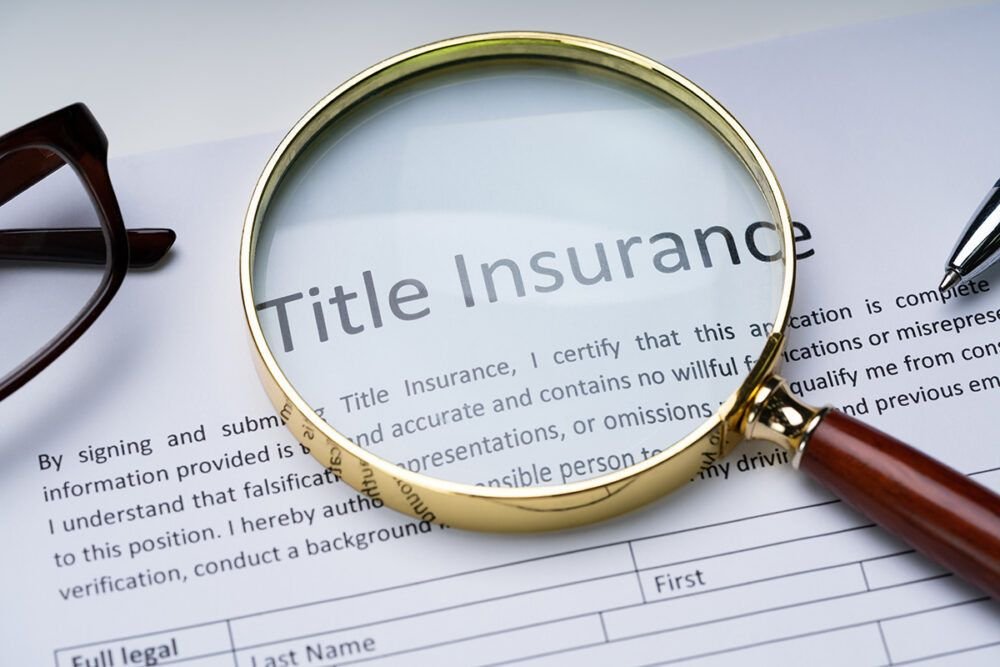
Title lock insurance is a subscription service that monitors your property’s title for fraudulent recordings and promises to help you resolve them. It costs $15 to $20 per month, marketed through official-looking mailers that appear to come from your mortgage lender or a government agency. They do not. Title lock insurance is not title insurance. It is not required by your lender. It is not a government program. It is a monitoring service with a narrow scope of coverage that you may already have through cheaper or free alternatives, notes BlackTree Management team.
Here is what title lock insurance actually does, how it differs from real title insurance, and whether it is worth paying for.
What Title Lock Insurance Actually Does
Title lock insurance monitors the public record for new documents recorded against your property’s title. If a deed, mortgage, lien, or other document is recorded that names your property, the service alerts you. If the document is fraudulent, such as a forged deed transferring your property to a stranger, the service provides access to legal resources to help you resolve the fraud and restore your title.
The monitoring is the core of the product. The company runs automated searches of county recorder databases looking for new recordings that match your name and property address. This is the same type of monitoring that title insurance companies and some county recorder offices offer for free or at much lower cost. The legal assistance for resolving fraud varies by company and plan tier. Some title lock policies include a specified dollar amount of legal fees, typically $25,000 to $1 million. Some include identity restoration services. None of them guarantee that they will fix a fraudulent title transfer. They promise to help and to cover certain costs. The scope of that help and those costs is defined by the policy, which few people read before buying.
How Title Lock Insurance Differs From Real Title Insurance
Title insurance protects you against title defects that existed before you bought the property but were not discovered during the title search. It is a one-time purchase made at closing. The owner’s policy lasts as long as you own the property. It covers forged deeds, undisclosed heirs, recording errors, and other pre-existing title problems. If someone challenges your ownership based on something that happened before you bought the house, title insurance pays for the legal defense and covers your financial loss up to the policy amount.
Title lock insurance monitors for new recordings that happen after you buy the property. It covers fraudulent documents recorded against your title while you own it. It does not cover pre-existing title defects, which is what title insurance covers. Title insurance is backward-looking. Title lock insurance is forward-looking. They are complementary in theory but address different risks with vastly different probabilities of occurring.
A forged deed recorded against your property after you buy it is extremely rare. The FBI tracks real estate fraud and estimates that deed fraud affects a tiny fraction of homeowners each year, far fewer than are affected by title defects that pre-date the purchase. Title insurance addresses a risk that is uncommon but financially devastating. Title lock insurance addresses a risk that is both uncommon and relatively inexpensive to resolve if you detect it promptly and have an owner’s title insurance policy that may already provide some coverage.
The Actual Risk of Deed Theft
Deed theft, also called house stealing, occurs when someone forges a deed transferring your property to themselves or to a third party and records it at the county recorder’s office. The fraudster then borrows against the property, sells it to an unsuspecting buyer, or rents it out and collects the income. The legitimate owner discovers the fraud when they receive a foreclosure notice for a loan they never took, a tax bill addressed to someone else, or a knock on the door from a buyer who just purchased their house.
Deed theft is real. It happens. It is also one of the rarest forms of real estate fraud. Vacant properties, investment properties, and properties owned by elderly homeowners who have moved into care facilities are the primary targets. An owner-occupied primary residence with a mortgage is a poor target for deed theft because the mortgage lender’s interest in the property creates a second set of eyes on the title. The lender monitors for recordings that affect their collateral. If a fraudulent deed is recorded against a mortgaged property, the lender’s title monitoring typically detects it and notifies the homeowner or takes action to protect their lien.
The risk of title fraud is not zero. It is not high enough to justify a $180 to $240 annual insurance premium for most homeowners. The insurance industry sells title lock policies by exploiting fear. Official-looking mailers warn that your property could be stolen without your knowledge. The warning is true in the narrow sense that deed theft exists. The implication that this is a common risk that you need to pay to protect against is not supported by the data.
Free and Cheaper Alternatives to Title Lock Insurance
Most counties offer a free property fraud alert service. You register your name or property address on the county recorder’s website. When a document is recorded that matches your registration, the county emails you. This is the same monitoring that title lock companies provide, from the same source of data, at no cost. Not every county offers this service, but an increasing number do. Search your county recorder’s website for property fraud alert, recording notification, or title watch.
Your existing owner’s title insurance policy may already cover some forms of post-purchase title fraud. A standard ALTA Homeowner’s Policy includes coverage for forgery after the policy date under certain circumstances. Read your policy or call your title insurer and ask whether post-purchase forgery is covered. The answer may eliminate the need for a separate monitoring service.
You can check your property’s title yourself. Most county recorder offices have an online search portal. Search your name or property address once every few months. It takes two minutes. If a document appears that you did not authorize, contact the recorder’s office and your title insurer immediately. The faster a fraudulent recording is detected, the easier and cheaper it is to resolve.
Your homeowner’s insurance may offer identity theft coverage that includes title fraud as an add-on or an endorsement. The cost is typically $25 to $50 per year, significantly less than a standalone title lock policy, and covers a broader range of identity-related risks beyond title fraud.
How Title Lock Companies Market Their Product
Title lock insurance is sold through direct mail that looks official. The envelopes resemble correspondence from a mortgage company, a government agency, or a county recorder. They include your name, address, and sometimes your loan number, which is public information available from the recorded mortgage. The mailer warns that your property could be stolen and that you need to act now to protect it. The monthly fee is not prominently displayed. The fact that the product is not required and not affiliated with your lender is buried in fine print.
These marketing tactics are legal but calculated to confuse. The mailers are designed to look like something you must respond to. You do not. Title lock insurance is optional. It is never required by a lender. It is never issued by a government agency. If a mailer looks official but is selling you a monthly subscription, it is a private company marketing a product.
Is Title Lock Insurance Ever Worth It?
For most homeowners, no. The risk of deed theft is low. The cost over time is high. A $15 monthly fee over 10 years is $1,800. The free monitoring services offered by many counties provide the same protection at no cost. The existing owner’s title insurance policy may already cover post-purchase forgery. The combination of free county monitoring and existing title insurance covers the risk without the subscription.
Title lock insurance may be worth considering if you own a vacant property that you rarely visit, an investment property in a different city or state where you cannot easily check the title, or a property owned free and clear without a mortgage lender monitoring the title. In these cases, the property has fewer eyes on it, and the risk of undetected fraud is higher. Even then, a free county alert service combined with periodic manual checks is likely sufficient.
Frequently Asked Questions
I got a letter about title lock insurance that looks like it came from my lender. Is it real?
It is a real offer from a real company, but it is not from your lender. Title lock companies buy lists of recent homebuyers and mortgage borrowers from public records and marketing databases. They send mailers that mimic official correspondence. Your lender did not send it. Your lender does not require it. You can ignore it. If you are unsure, call your lender using the phone number on your monthly statement, not the number on the mailer, and ask whether they sent the letter.
I already have title insurance from when I bought my house. Do I need title lock too?
Probably not. Your owner’s title insurance policy covers title defects that existed before you bought the property. Some policies also cover forgery that occurs after the policy date, though the scope of this coverage varies. Call your title insurer and ask specifically whether post-purchase deed forgery is covered by your policy. If it is, you do not need a separate monitoring service for that risk.
How would I know if someone had stolen my deed?
Signs include receiving a tax bill or a mortgage statement addressed to someone else at your address, a notice of default or foreclosure for a loan you did not take, tenants showing up at your door with a lease you did not sign, or discovering that you can no longer access the county recorder’s online records for your property because the ownership information has changed. If any of these occur, contact the county recorder’s office immediately to pull the recorded documents, then contact your title insurer and an attorney.