A furnace that keeps shutting off before the house reaches the set temperature is short cycling. The burners light, the blower starts, warm air flows for a few minutes, and then the burners shut off while the thermostat is still calling for heat. The blower continues to run for a minute or two, blowing air that cools rapidly, and then the furnace attempts to restart. The cycle repeats. The house never gets fully warm. The furnace is trying to heat but something is forcing it to stop. The most common cause is the furnace overheating and tripping its high-limit safety switch. The limit switch shuts off the burners to prevent the furnace from reaching a temperature that could crack the heat exchanger or start a fire. The blower continues to run to cool the furnace down. When the furnace cools sufficiently, the limit switch resets and the burners relight. The cycle repeats as long as the thermostat calls for heat, says Bartsch Management team.
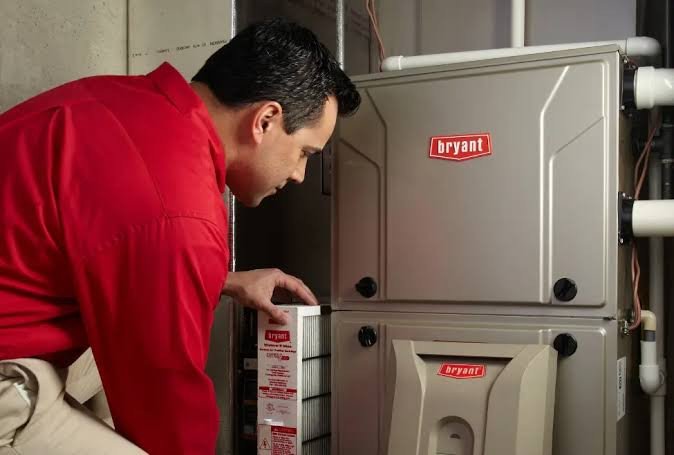
The overheating is almost always caused by restricted airflow. The most common restriction is a dirty air filter. A severely clogged filter reduces airflow across the heat exchanger. The heat exchanger cannot transfer its heat to the air fast enough. It gets hotter and hotter until the limit switch trips. Replace the filter. Turn the furnace off and let it cool for 30 minutes. Restart it with a clean filter. If the overheating stops, the filter was the cause. If the furnace still short cycles with a clean filter, check for other airflow restrictions or other causes of shutdown.
EPA WaterSense advises that properly maintained equipment operates safely and efficiently. A furnace that is short cycling uses more energy, delivers less comfort, and is at risk of a more serious failure if the cause is not corrected.
Cause #1: Restricted Airflow — Filter, Vents, and Blower
The heat exchanger in a furnace transfers heat from the combustion gases to the air that circulates through the house. The air must flow across the heat exchanger at a sufficient rate to carry the heat away. When the airflow is restricted, the heat builds up in the exchanger, the temperature rises, and the high-limit safety switch trips. The filter is the most common restriction, but it is not the only one. Closed supply vents, blocked return grilles, and a dirty air conditioning coil mounted above the furnace can all restrict airflow enough to cause overheating.
Walk through the house. Open every supply vent. Check that no furniture, rugs, or curtains are blocking return grilles. If the AC coil is accessible, inspect it. A coil that is caked with dust and pet hair restricts airflow even with a clean filter. The coil should be professionally cleaned. A failing blower motor that is running slowly may not be moving enough air. A blower motor capacitor that is weak may cause the motor to run at a reduced speed. A blower wheel that is packed with dust may be out of balance and moving less air. These are technician-level diagnoses and repairs.
Cause #2: Dirty Flame Sensor — Burners Shut Off After Lighting
If the furnace lights, runs for a few seconds, and then the burners shut off while the blower continues to run, the flame sensor is dirty. The flame sensor is a thin metal rod that sits in the burner flame. It sends a signal to the control board confirming that the flame is present. If the sensor is coated with carbon, dust, or a white silica deposit, it cannot detect the flame. The control board interprets the lack of a flame signal as a safety hazard. The burners lit, but the sensor says they did not, so the board shuts off the gas. The furnace attempts to restart after a purge cycle, and the sequence repeats.
Cleaning the flame sensor takes five minutes. Turn off power to the furnace at the disconnect switch or the breaker. Remove the burner access panel. Locate the flame sensor, a metal rod with a single wire attached, mounted in the burner assembly. Remove the single screw. Pull the sensor out. Clean the metal rod with a Scotch-Brite pad, fine steel wool, or a dollar bill. Do not use sandpaper. Sandpaper leaves scratches that collect carbon faster. Wipe the rod clean. Reinstall the sensor. Restore power. The furnace should light and stay lit.
Cause #3: Clogged Condensate Drain — High-Efficiency Furnaces
A high-efficiency furnace, 90 percent AFUE or higher, produces condensate, acidic water, as a byproduct of combustion. The condensate drains through a PVC pipe. If the drain clogs, water backs up into the furnace. A pressure switch senses the backed-up water and shuts down the burners to prevent the furnace from flooding. The furnace lights, runs briefly, and shuts down. This is the most common cause of short cycling that is unique to high-efficiency furnaces.
Clear the condensate drain. Pour white vinegar into the drain line to dissolve algae and mineral buildup. If the drain line is accessible, use a wet-dry vacuum to suck the clog out. Locate the condensate trap on the furnace, a black plastic box connected to the drain. Remove it, clean it, and reinstall it. The trap is designed to be removable. A clogged trap is as common as a clogged drain line. After clearing the drain and the trap, the furnace should operate normally.
Other Causes: Thermostat, Gas Pressure, and Blocked Flue
A thermostat that is in a bad location can cause the furnace to short cycle. If the thermostat is near a supply register, it warms up quickly when the furnace runs and satisfies the set point before the rest of the house is warm. The furnace shuts off. The thermostat cools down, calls for heat again, and the cycle repeats. Move the thermostat away from the supply register, or close the register near the thermostat slightly to reduce the direct heating.
A blocked flue or a blocked combustion air intake will cause the furnace to shut down on a pressure switch or a flame rollout safety. A bird nest, a dead animal, or accumulated snow and ice can block the flue or intake pipes, especially on high-efficiency furnaces where the pipes exit through the side of the house rather than through the roof. Check the exterior terminations. Clear any obstructions. A blocked flue is a safety hazard. Carbon monoxide can back up into the house. If you suspect a blocked flue, turn the furnace off and call a technician.
Incorrect gas pressure can cause short cycling. If the gas pressure is too low, the flame is weak, the heat output is reduced, and the furnace runs longer than it should. If the gas pressure is too high, the flame is too strong, the heat exchanger overheats quickly, and the limit switch trips. Gas pressure adjustment requires a technician with a manometer. The gas valve has an adjustment screw that must be set to the manufacturer’s specification. Do not attempt to adjust it yourself.
Frequently Asked Questions
How do I know if the furnace is overheating versus a different problem?
If the burners shut off and the blower continues to run for a minute or two, the furnace is overheating and the limit switch is controlling the shutdown. The blower runs to cool the furnace down. If the burners shut off and the blower stops at the same time, the shutdown is being caused by something else, the thermostat, a pressure switch, the control board. The blower behavior after burner shutdown distinguishes overheating from other causes.
My furnace has an LED error code. What does it mean?
Most modern furnaces have an LED on the control board that flashes a pattern of blinks. The pattern corresponds to an error code. The code chart is printed on the inside of the blower access panel or in the furnace manual. The LED will be flashing when the furnace is locked out. Count the blinks. Match the pattern to the chart. The chart will tell you which safety switch or sensor is causing the shutdown. Common codes include pressure switch stuck open, limit switch open, flame sensed with no call for heat, and ignition failure. The LED code takes the guesswork out of diagnosis.
Does my furnace have a reset button?
Most residential furnaces do not have a manual reset button. The furnace resets automatically when the condition that caused the shutdown is cleared. The limit switch resets when the furnace cools down. The flame sensor resets when the control board cycles power. If the furnace locks out, turning the power off at the disconnect switch or the breaker for 30 seconds and then back on will reset the control board. If the furnace starts and runs normally after a reset, a transient condition caused the shutdown. If it shuts down again, the underlying problem is still present.
The Bottom Line
A furnace that keeps shutting off is overheating, has a dirty flame sensor, has a clogged condensate drain, or is experiencing a thermostat, gas pressure, or flue problem. Check the filter first. Replace it if dirty. Clean the flame sensor second. Clear the condensate drain third, if it is a high-efficiency furnace. Check the exterior flue and intake terminations for obstructions. Check the thermostat location. If these checks do not resolve the short cycling, call a technician. The furnace that keeps shutting off is protecting itself from a condition that will cause damage if it continues. The shutdown is a symptom. Fix the cause and the shutdowns stop.