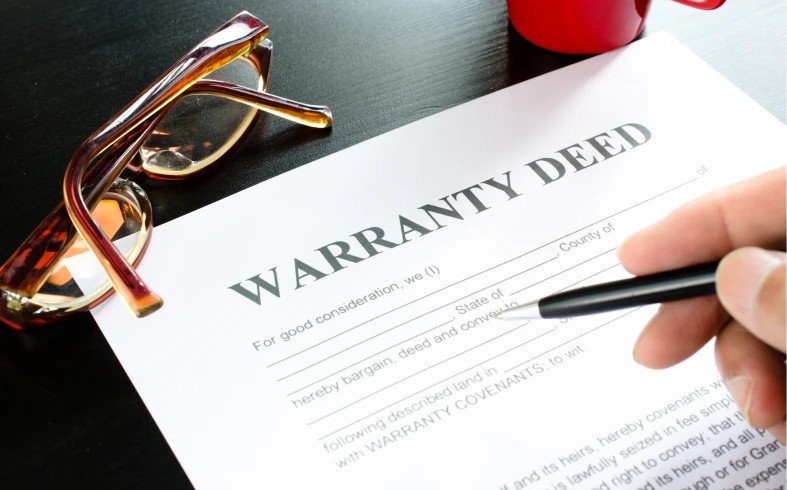
You are selling your house and the buyer cannot qualify for a bank loan. You agree to finance the sale yourself: the buyer pays you a down payment and makes monthly payments directly to you over time, says Invest West Management Portland. Your attorney tells you that you will use a warranty deed with vendor’s lien to document the transaction. You have never heard of this instrument and you are not sure how it protects you if the buyer stops paying.
A warranty deed with vendor’s lien is a deed that simultaneously transfers ownership of real property from the seller to the buyer and creates a lien on the property in favor of the seller to secure the buyer’s obligation to pay the remaining purchase price. It is two legal instruments combined into one document: a warranty deed conveying full title with all warranties, and a vendor’s lien that gives the seller the right to foreclose if the buyer defaults on the payments.
What a Warranty Deed With Vendor’s Lien Actually Is
A warranty deed with vendor’s lien is exactly what its name describes. The warranty deed portion conveys the property from the seller, called the vendor, to the buyer, called the vendee, with full warranties of title. The vendor’s lien portion creates a security interest in the property in favor of the vendor to secure the vendee’s obligation to pay the unpaid purchase price. The deed states the total purchase price, the amount of the down payment, and the balance owed. The lien secures that balance.
This instrument is used in seller financing transactions, also called owner financing or purchase money transactions. The seller acts as the bank. The buyer makes a down payment and signs a promissory note for the balance. The warranty deed with vendor’s lien transfers the property to the buyer and creates the seller’s lien in a single document. The deed is recorded, and the vendor’s lien appears in the public record as an encumbrance on the property.
The vendor’s lien is superior to most other liens that might later attach to the property because it is a purchase money lien. A purchase money lien arises from the transaction in which the buyer acquired the property and has priority over most subsequent liens, including judgment liens against the buyer and later-recorded mortgages. This priority protects the seller: if the buyer defaults and the seller forecloses, the seller’s lien is paid before most other creditors.
How Seller Financing With a Vendor’s Lien Works
The seller and buyer agree on a purchase price, a down payment, an interest rate, and a payment schedule. The buyer signs a promissory note promising to pay the balance according to those terms. The seller signs a warranty deed with vendor’s lien conveying the property to the buyer and retaining a lien to secure the note. Both documents are recorded. The buyer becomes the legal owner of the property, subject to the vendor’s lien. The seller holds a security interest, not ownership.
The buyer makes monthly payments directly to the seller. The seller does not need to involve a bank, a mortgage servicer, or any third party. The transaction is entirely between the seller and the buyer. The seller receives interest income on the loan. The buyer builds equity through the down payment and the monthly principal payments. If the buyer pays off the note according to its terms, the seller records a release of the vendor’s lien, which clears the lien from the public record. The buyer then owns the property free and clear of the seller’s interest.
If the buyer defaults, the seller has the right to foreclose on the vendor’s lien. The foreclosure process depends on state law. In some states, the vendor’s lien can be foreclosed non-judicially if the deed contains a power of sale clause. In other states, judicial foreclosure is required. The seller recovers the property through foreclosure or accepts a deed in lieu of foreclosure from the buyer. The seller then owns the property again and can sell it to someone else.
Vendor’s Lien vs. Deed of Trust vs. Mortgage
A vendor’s lien arises from the seller financing transaction itself. It is created by the deed that transfers the property. It does not require a separate security instrument like a deed of trust or a mortgage. The deed is both the conveyance and the security instrument. This is the defining feature of a warranty deed with vendor’s lien: it combines what would normally be two documents into one.
A deed of trust involves three parties: the borrower, the lender, and a trustee who holds title during the loan. It is a separate document from the deed that transferred ownership to the borrower. A mortgage involves two parties: the borrower and the lender. It creates a lien without transferring title. It is also a separate document from the ownership deed.
A vendor’s lien is created simultaneously with the transfer of ownership, by the same document, in favor of the same person who transferred the property. The seller conveyed the property and retains the lien in a single instrument. The seller is both the grantor of the deed and the beneficiary of the lien. No third-party lender is involved. No trustee holds title. No separate mortgage document is recorded.
In some transactions, the seller may choose to use a separate deed of trust or mortgage to secure the note instead of a vendor’s lien. This is equally valid and may be preferred if the seller wants to use a standard form or if state law provides a clearer foreclosure process for deeds of trust than for vendor’s liens. The warranty deed with vendor’s lien is an option, not a requirement, for seller financing.
Advantages and Risks for Both Parties
For the seller, the primary advantage is that the warranty deed with vendor’s lien creates a purchase money lien with priority over most subsequent liens. The seller is protected against the buyer’s later creditors. The seller also receives the full warranty deed protections if the seller reacquires the property through foreclosure and later discovers a title defect: the seller can sue the buyer under the warranty covenants in the deed, just as any grantee could sue any grantor under a warranty deed.
For the seller, the primary risk is that the buyer defaults and the seller must foreclose. Foreclosure is expensive and time-consuming. The seller may recover the property in worse condition than when it was sold. The seller must then find a new buyer. Seller financing works best when the seller knows the buyer, the property is in good condition, and the seller is willing and able to take the property back if the buyer defaults.
For the buyer, the primary advantage is the ability to purchase a home without qualifying for a bank loan. Buyers who are self-employed, have imperfect credit, or cannot document their income in the way a bank requires may be able to buy a home through seller financing when a bank would reject them. The buyer also avoids bank closing costs, loan origination fees, and mortgage insurance.
For the buyer, the primary risk is that the seller may not have clear title to convey. The buyer receives a warranty deed, which gives the buyer the right to sue the seller for title defects. But if the seller’s title is defective and the seller has no assets beyond the property itself, the buyer’s warranty claim may be worthless. The buyer should purchase title insurance even in a seller-financed transaction. The warranty deed gives the buyer a right to sue. Title insurance gives the buyer a source of recovery.
Frequently Asked Questions
How is a warranty deed with vendor’s lien different from a regular warranty deed?
A regular warranty deed transfers the property with full warranties and nothing else. A warranty deed with vendor’s lien transfers the property with full warranties and simultaneously creates a lien in favor of the seller to secure the buyer’s payment of the purchase price. The regular warranty deed is used when the buyer pays cash or obtains third-party financing. The warranty deed with vendor’s lien is used when the seller finances the purchase.
Does the buyer own the property after receiving a warranty deed with vendor’s lien?
Yes. The buyer becomes the legal owner when the deed is delivered and recorded. The buyer has the right to possess, use, and enjoy the property. The buyer’s ownership is subject to the vendor’s lien, which gives the seller the right to foreclose if the buyer defaults on the payments. The buyer owns the property the same way a buyer with a bank mortgage owns the property: subject to a security interest held by the lender.
What happens when the buyer pays off the vendor’s lien?
The seller records a release of vendor’s lien with the county recorder. The release removes the lien from the public record. The buyer then owns the property free and clear of the seller’s interest. The release is similar to a satisfaction of mortgage or a deed of reconveyance. It is the document that proves the debt has been paid and the lien has been released.
Can a vendor’s lien be foreclosed?
Yes. If the buyer defaults on the promissory note, the seller can foreclose on the vendor’s lien. The foreclosure process depends on state law. Some states allow non-judicial foreclosure under a power of sale clause in the deed. Others require judicial foreclosure through a court proceeding. The seller should consult a real estate attorney in the state where the property is located to understand the specific foreclosure process and timeline.
In which states are warranty deeds with vendor’s lien most common?
Texas is the state where warranty deeds with vendor’s lien are most commonly used. The form is standard in Texas real estate practice for seller-financed transactions. Other states, including Oklahoma and New Mexico, also recognize and use the instrument. In most other states, seller financing is documented with a separate promissory note and deed of trust or mortgage, rather than with a combined warranty deed with vendor’s lien.
The Short Version
A warranty deed with vendor’s lien is a deed that transfers property from seller to buyer and simultaneously creates a lien securing the seller’s right to be paid. It is two instruments in one document: a warranty deed that conveys ownership with full warranties, and a vendor’s lien that gives the seller the right to foreclose if the buyer does not pay.
It is used in seller financing when the buyer cannot or chooses not to obtain a bank loan. The seller becomes the bank. The buyer owns the property. The lien protects the seller until the buyer pays in full. When the final payment is made, the seller releases the lien, and the buyer owns the property free and clear. The transaction is complete. The seller has been paid. The buyer owns the home.