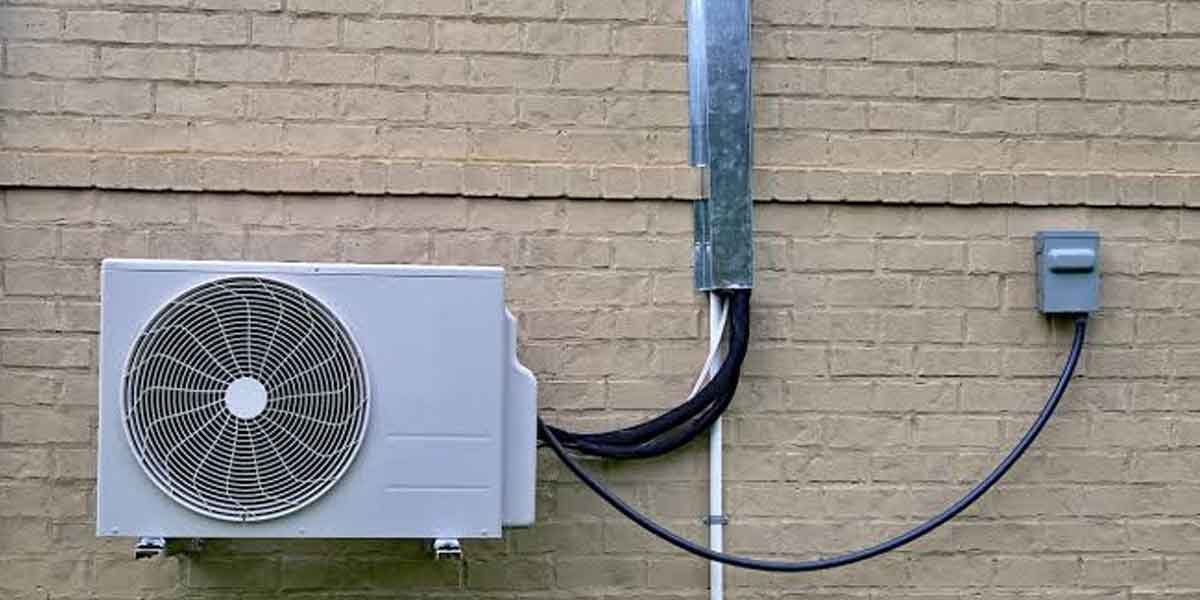
Mini split systems split into two dimensions: the indoor unit type (high wall, ceiling cassette, underceiling, floor console, or ducted) and the system layout (single-zone one-to-one, or multi-zone with one outdoor unit serving several rooms). High wall is the common default, cassettes hide in drop ceilings, floor consoles suit sloped attics, and ducted units hide in a closet while serving multiple rooms. Cooling-only models exist, but most U.S. homes buy a heat pump version that also heats.
The ductless mini split market sold for U.S. homes spans the five styles below. Installation steps, repair, and ductless materials stay out of scope here, handled by the other guides on this site. If you are deciding whether a mini split fits your rooms, the two tables below organize the choice.
There is no single best mini split, but there is a best process: match the indoor unit to the room, the layout to the house, the heat-or-cool function to the climate, and the brand to the budget with a warranty you trust.
The Two Dimensions: Indoor Unit and Zone Layout
The mini split decision runs on two axes: what the indoor unit looks like and where it mounts, and how many rooms one outdoor unit serves. Pick the indoor style first, then the zone layout, and the remaining choices narrow fast.
The indoor unit is the visible half of the system, and its style decides where it can go and how it looks in the room. The zone layout decides capacity and cost: a single-zone system pairs one indoor unit with one outdoor unit, while a multi-zone system lets one outdoor unit feed several indoor units in different rooms. Ducted indoor units add a third option by hiding in a closet and serving multiple rooms through short duct runs.
Most homes start with the indoor style question, because it is the one tied to the room’s layout and look, and it is the decision the community threads argue about most.
Indoor Unit Types: Which Style Fits Your Rooms
Five indoor unit styles cover most homes: high wall, ceiling cassette, underceiling, floor console, and ducted. High wall is the default for easy retrofits, cassettes suit drop ceilings, underceiling units handle large rooms without ceiling depth, floor consoles fit sloped attics, and ducted units hide while serving multiple rooms.
| Indoor unit type | Where it mounts | Who it fits |
|---|---|---|
| High wall | High on a wall, near the ceiling | Most rooms and retrofits; the common default with the easiest install |
| Ceiling cassette | Recessed flush in a drop ceiling | Rooms with suspended ceilings and homeowners who want the unit hidden |
| Underceiling | Mounted below the ceiling, not recessed | Large open rooms without a drop ceiling; higher capacity than wall units |
| Floor console | At or near floor level | Sloped attics, low-wall rooms, and spaces where a high wall mount is not feasible |
| Ducted (concealed) | Hidden in a closet, attic, or soffit | Homes that want to serve several rooms from one hidden unit via short duct runs |
Carrier’s ductless lineup lists the same five styles, and the Carrier ductless system types guide is the reference for how each mounts and where it works best. Aesthetics is a real input, not a frill: one homeowner in the r/hvacadvice thread chose ceiling cassettes specifically to avoid the visible wall unit, and the mini split discussion shows the same tradeoff from both sides.
“I love ours. Went with ceiling cassettes so we didn’t have the ugly wall hung unit. Even the outdoor unit is near silent. Super happy with them.”
– r/hvacadvice, July 2026 (50 upvotes)
That reply captures the practical side: cassette units hide the mechanics behind a grille, and satisfied owners treat the look as a feature. The other side of the thread is the installer view, which prefers slim duct systems when customers dislike wall units, so the ducted option exists for exactly this split in preferences.
Single-Zone vs Multi-Zone Layouts
The zone layout decides how many rooms one system serves: single-zone pairs one indoor unit with one outdoor unit, multi-zone lets one outdoor unit feed several indoor units, and ducted units serve multiple rooms from one hidden handler. Single-zone is the simplest and often the most efficient per room; multi-zone spreads the cost of the outdoor unit across several rooms.
| Layout | How it works | Who it fits |
|---|---|---|
| Single-zone | One indoor unit, one outdoor unit | One room, an addition, or a garage; the cheapest way into mini splits |
| Multi-zone | One outdoor unit, several indoor units in different rooms | Homes cooling or heating multiple rooms without ductwork |
| Ducted | One hidden handler with short duct runs to several rooms | Homes wanting the clean look of central air without full ductwork |
The practical reading is about cost per room. A single-zone system is the simplest install and the easiest to size, which makes it the right entry point for one problem room. A multi-zone system buys one outdoor unit that carries several rooms, spreading the largest single cost, but the capacity of that outdoor unit is the ceiling for the whole layout. The ducted option sits between the two, trading the visible wall unit for a hidden handler and short ducts.
Cooling-Only vs Heat Pump: The Climate Decision
The heat-or-cool function follows the climate: cooling-only models exist for warm climates that never need heat, but most U.S. homes buy the heat pump version, because it adds heating for a small cost increase and covers the shoulder seasons. The decision is about whether the unit also has to heat your winter.
A heat pump mini split moves heat in both directions, so it cools in summer and heats in winter, which makes it a full replacement for a furnace in mild climates and a strong supplement in colder ones. Cooling-only models are simpler and cheaper but lock out the heating side, which is fine in climates that never need it and a mistake in most of the U.S. The cold-climate question is real but increasingly answered: modern heat pump mini splits are rated for low outdoor temperatures, and the spec sheet, not the category name, tells you whether the model holds up in your winters. If you are in the market, the heat pump version is the default to compare against.
Brands, Reliability, and the DIY Question
Brand choice splits into two lanes: the pro-install consensus names Mitsubishi and Daikin at the top, while budget brands are often rebranded units from Gree or Midea with thinner support. The community view treats the budget option as a support gamble, not a unit-quality gamble, and the DIY question turns on who handles the refrigerant.
In the r/hvacadvice thread on brands, the professional answer is a list that starts with Mitsubishi, and the budget-brand discussion notes that unknown names are usually rebranded without the support and warranty help of the original maker. The practical takeaway is to check who actually makes the unit before buying, because the OEM behind the name decides parts availability and warranty service.
Types Of Mini Split Systems FAQ
What brand mini split should I avoid?
No brand is universally bad, but the community warns that unknown budget names are often rebranded units with thin support. The safer filter is to check who makes the unit, look for an AHRI certificate, and buy from a brand whose parts and warranty service are reachable.
Is it cheaper to run a 110 or 220 mini split?
Larger mini splits need 220-volt power, and the 220-volt wiring is more efficient over long runs, while smaller units run on 110-volt household circuits. The cheaper option depends on the unit size and the electrical work already in the home, not a blanket rule.
What are the top mini split systems?
Consumer Reports tests models from Fujitsu, Mitsubishi, MrCool, and others, with tested units ranging from about $799 to over $1,860 before installation. Mitsubishi and Daikin lead the professional consensus, and the right top pick depends on your room, layout, and budget.
What are the downsides of mini splits?
The main downsides are the visible indoor units on wall-mounted models, the cost of a multi-zone outdoor unit, and the fact that maintenance and refrigerant work still need a professional. The community also flags flare fittings that can leak over time and multiple circuit boards in one system. Whatever your rooms and climate, the two dimensions organize the choice. The wider Home Improvement library on this site keeps the related equipment and project guides in one place.
Match the indoor unit to the room, the layout to the house, and the heat-or-cool function to the climate, then let the warranty settle the brand. That is the types of mini split systems decision in one sentence, and it beats any single nameplate.