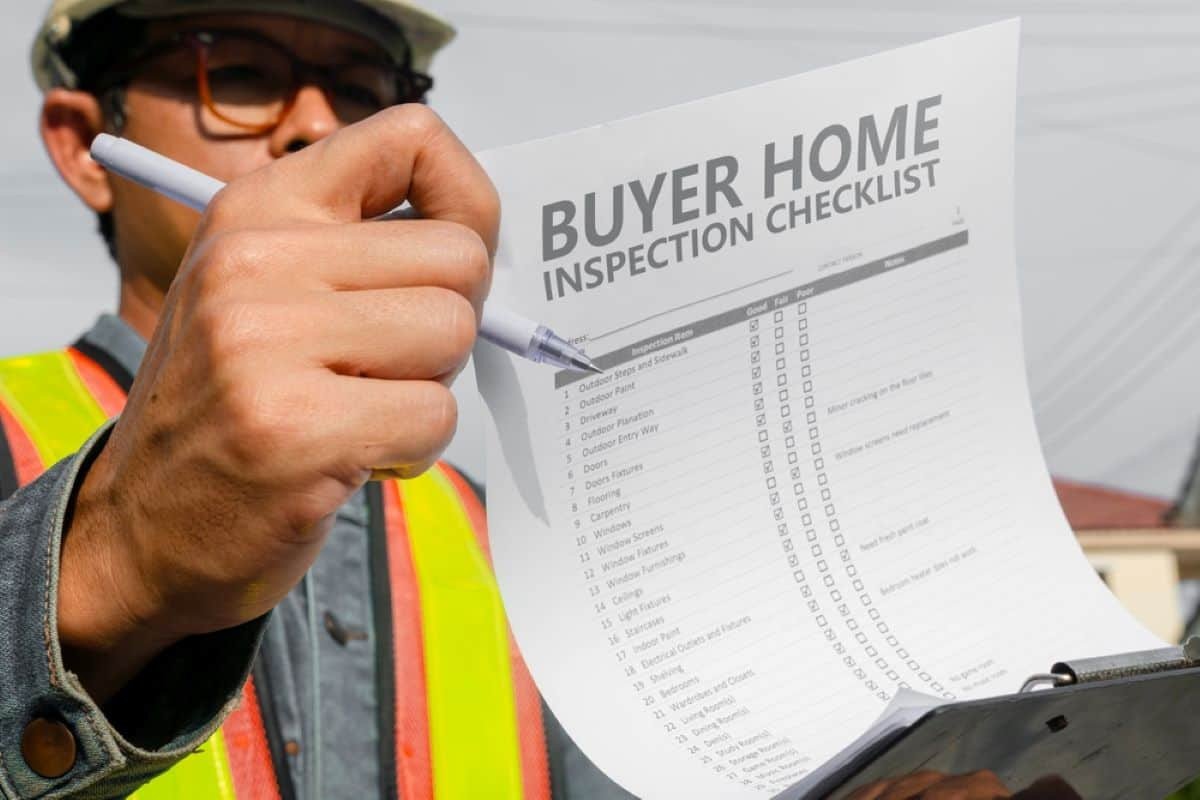
A home inspection takes two to three hours and costs $300 to $600, reports Azure Sky Realty specialists. It is the most important due diligence you will perform between signing the purchase contract and closing. The inspector examines the structure, the systems, and the major components of the house and produces a written report, typically 30 to 60 pages with photographs, that identifies defects, safety hazards, and items that are nearing the end of their service life. The report is not a pass-fail test. It is a condition assessment. Every house has defects. The question is which defects are expensive to fix and which are maintenance items that every house accumulates over time.
Your job during the inspection is not to follow the inspector from room to room. Your job is to show up for the last 30 minutes, walk through the house with the inspector, and ask about the items that will cost you money. The inspection report arrives by email the same day or the next day. Here is what the inspector checks, what they do not check, and the specific items you should verify yourself because the inspector’s contract probably excludes them.
What a Standard Home Inspection Covers
| System | What the Inspector Checks |
| Roof | Shingle condition, flashing, gutters, downspouts, chimney, skylights, visible leaks |
| Exterior | Siding, trim, paint, grading, drainage, driveway, walkways, decks, porches |
| Foundation and structure | Foundation cracks, settlement, bowing walls, floor slope, crawl space, basement moisture |
| Electrical | Panel condition, wiring type, grounding, GFCI outlets, visible junction boxes, smoke detectors |
| Plumbing | Supply pipes, drain pipes, water heater, water pressure, visible leaks, fixture operation |
| HVAC | Furnace, air conditioner, heat pump, ductwork, thermostat operation, temperature differential |
| Interior | Walls, ceilings, floors, windows, doors, stairs, railings, garage door operation |
| Attic and insulation | Insulation depth, ventilation, roof sheathing, visible leaks, bathroom fan venting |
| Appliances | Operation of built-in appliances if included in the sale |
The inspector does not move furniture, lift carpet, open walls, or disassemble anything. The inspection is visual and non-invasive. The inspector can only report on what they can see. A wall that is freshly painted over a water stain looks like a clean wall. The inspector will not know the stain is there unless there is a moisture meter reading or other evidence that suggests a hidden problem.
What a Home Inspection Does Not Cover
The inspector does not test for radon, mold, asbestos, lead paint, or pests including termites. These require separate inspections by specialists. A standard home inspection contract explicitly excludes environmental hazards. If the house was built before 1978, the EPA recommends testing for lead-based paint before purchasing, as renovation activities in older homes can release hazardous lead dust. A lead paint inspection costs $300 to $500 and is separate from the home inspection. A radon test costs $150 to $300. A mold inspection costs $300 to $600. A termite inspection, also called a wood-destroying organism inspection, costs $75 to $150 and is required by many lenders for FHA and VA loans.
The inspector does not check for code compliance. A house built in 1980 that met code in 1980 does not meet current code. The inspector will note safety hazards regardless of their age, such as an ungrounded electrical outlet or a missing handrail on a staircase, but they will not flag an older house for not having arc-fault circuit breakers or tempered glass in windows, which are modern code requirements that were not in effect when the house was built.
The inspector does not provide cost estimates for repairs. The report describes the defect and recommends further evaluation by a qualified contractor. The contractor provides the quote. The inspection report is the basis for the repair request you submit to the seller. The quote from the contractor is the dollar amount you attach to that request.
Red Flags That Warrant a Specialist
A horizontal crack in a foundation wall, particularly in a basement or crawl space, is a structural concern. Vertical cracks are common and usually the result of concrete shrinkage during curing. Horizontal cracks indicate lateral pressure from the soil outside the foundation. A horizontal crack wider than 1/4 inch or a wall that is visibly bowing inward requires a structural engineer’s assessment. The cost of foundation repair ranges from $2,000 for epoxy injection of a minor crack to $20,000 or more for wall reinforcement or replacement.
Aluminum branch wiring in a house built between 1965 and 1973 is a fire hazard. Aluminum wiring expands and contracts with electrical load more than copper, which causes the connections at outlets and switches to loosen over time. Loose connections arc and cause fires. The inspector will note the presence of aluminum wiring. The fix is either a complete rewire at $8,000 to $15,000, or retrofitting every outlet and switch connection with Copalum crimps or AlumiConn connectors at $2,000 to $4,000. An electrical contractor should assess the wiring and provide a quote.
Polybutylene plumbing pipes, typically gray plastic with copper or brass fittings, were installed in homes built between 1978 and 1995. The pipes degrade from chlorine in the public water supply and eventually fail, flooding the house. The inspector will note polybutylene if it is visible. Replacement costs $3,000 to $8,000 depending on the house size. Some insurers will not write a homeowners policy on a house with polybutylene plumbing. Check with your insurance agent before closing.
Federal Pacific Electric or Zinsco electrical panels are fire hazards due to circuit breakers that fail to trip under overload conditions. Both brands were widely installed in homes built from the 1950s through the 1980s and have been the subject of investigations and recalls. The inspector will flag an FPE or Zinsco panel. Replacement costs $1,500 to $3,000. Some insurers will not insure a home with these panels.
Your Walk-Through With the Inspector
Arrive for the last 30 to 45 minutes of the inspection. The inspector has spent two hours examining the house and is ready to present the findings. Walk through the house room by room. Ask the inspector to show you every defect, not just the major ones. Ask which items are safety hazards that must be addressed immediately, which are deferred maintenance that can be budgeted over the next few years, and which are cosmetic. The report will categorize the findings, but hearing the inspector explain a defect in person tells you more than reading a photograph caption.
Ask specifically about the roof, the foundation, the electrical panel, the water heater, and the HVAC system. These are the most expensive components to replace. The inspector should be able to estimate the remaining service life of each. A roof with 5 years of life remaining is a negotiating point. A water heater that is 15 years old is past its expected life and should be budgeted for replacement at a cost of $800 to $1,500.
Ask about moisture. The inspector carries a moisture meter that detects elevated moisture levels in walls and floors. A high moisture reading in a bathroom floor suggests a leaking toilet seal. A high reading in a basement wall suggests groundwater intrusion. A high reading around a window suggests failed flashing. Moisture problems are expensive to fix because they often involve finding and repairing the source of the water, replacing rotted framing or drywall, and treating or preventing mold. The inspector’s moisture meter is the tool that finds problems before they are visible.
After the Inspection: The Repair Request
The inspection report is the basis for your repair request to the seller. Request repairs for health and safety items: active leaks, electrical hazards, non-functioning HVAC, structural defects. Do not request repairs for cosmetic items or for normal wear and tear. A repair request that reads like a punch list of every minor defect in a 50-page inspection report signals to the seller that you are looking for reasons to back out of the deal. Focus on the items that affect the safety and function of the house. The seller may agree to repair all of them, repair some of them, offer a credit at closing instead of making the repairs themselves, or refuse. If the seller refuses, your contract may allow you to cancel the purchase and recover your earnest money, depending on the inspection contingency language in your purchase agreement.
Frequently Asked Questions
Should I ever skip a home inspection?
No. Waiving the inspection contingency to make your offer more competitive does not mean you should not inspect the house. It means you cannot use the inspection results to renegotiate the price or cancel the contract. You should still hire an inspector and walk through the house. The $500 you spend on the inspection is an insurance policy against buying a house with a $20,000 foundation problem that you could not see during the showing. If the inspection reveals a deal-breaking defect and you waived the contingency, you may lose your earnest money by walking away. Losing $5,000 in earnest money is cheaper than buying a house that needs $50,000 in repairs. The inspection is still worth doing even when the contingency is waived.
Does a new construction home need an inspection?
Yes. New construction homes have defects the same as existing homes. The difference is that the defects are construction errors, not deferred maintenance. Common new-construction defects include improperly installed flashing, missing insulation, disconnected ductwork, reversed hot and cold water lines, and appliances that were not connected correctly. The builder’s warranty covers these items, but you need the inspection report to document them before the warranty expires. An inspection before the final walk-through with the builder is standard practice for new construction.
What if the inspector misses something major?
The inspector’s contract limits their liability to the cost of the inspection. If the inspector fails to identify a roof leak that is visible from the attic and the roof leaks the week after closing, the most you can recover from the inspector is the $500 inspection fee. The inspector’s errors and omissions insurance, if they carry it, may provide additional coverage, but the recovery is limited compared to the cost of repairing the missed defect. This is the reason you choose an inspector with experience, certifications from a national organization such as the American Society of Home Inspectors or the International Association of Certified Home Inspectors, and a reputation for thoroughness. The inspector’s qualifications matter more than their fee. A cheap inspector who misses a defect costs you far more than the $100 you saved.