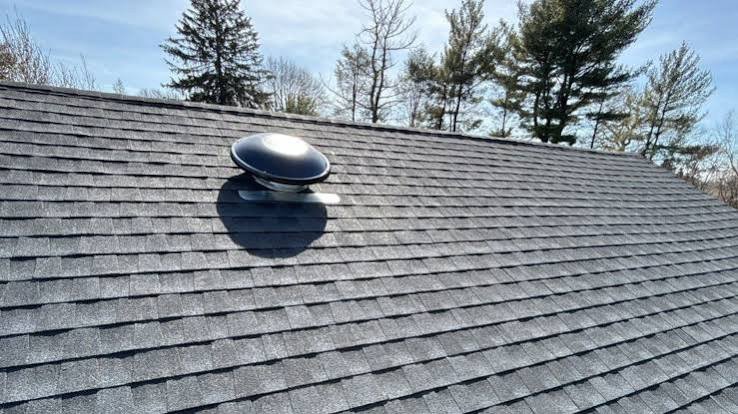
This guide covers the five key signs you need roof ventilation — from a scorching attic to ice dams and curling shingles. The clearest sign you need roof ventilation is an attic that is significantly hotter than the outside air on a summer afternoon. A properly vented attic should be within 10 to 15 degrees of the outside temperature, notes California Realty Group professionals. If the attic is 30 or 40 degrees hotter — hot enough to feel like an oven when you open the attic hatch — the ventilation is inadequate.
According to RPM Key Response experts, roof ventilation is the most overlooked system in the house and the cheapest to fix relative to the damage it prevents. Adding soffit and ridge vents to a typical 2,000-square-foot home costs $500 to $1,200. The roof replacement that becomes necessary 10 years early because the attic was an oven every summer costs $10,000 to $15,000. The ventilation is not optional. The roof is not optional either. The difference is that the ventilation costs a fraction of the roof and extends its life by a decade. Here are the signs that your ventilation is failing.
Sign 1: The Attic Is an Oven in Summer
Go into the attic on a sunny summer afternoon. If the temperature is more than 15 degrees above the outside air, the ventilation is inadequate. A properly vented attic allows cool air to enter at the eaves — through soffit vents — and hot air to exit at the ridge — through ridge vents, box vents, or gable vents. The temperature difference between the attic and the outside air drives the airflow. If the attic is significantly hotter than outside, the airflow is insufficient. The vents are either too few, too small, blocked by insulation, or absent entirely.
An attic that reaches 140 degrees in summer transfers heat through the ceiling into the living space below. The air conditioner runs longer and works harder to maintain the thermostat setting. The energy cost is $50 to $150 per year in additional cooling. The shingle damage is cumulative. Asphalt shingles rated for 25 years can fail in 15 to 18 years when subjected to sustained high attic temperatures. The shingles curl at the edges. The granules loosen and wash into the gutters. The asphalt substrate becomes brittle and cracks. The shingles look like they aged naturally. They did not. They were cooked from below. The sun aged the surface. The trapped heat aged the mat.
Sign 2: Ice Dams Form at the Eaves in Winter
Ice dams are ridges of ice that form at the eaves of the roof while snow melts on the upper roof. The cause is warm attic air melting the snow on the roof deck. The meltwater runs down the roof until it reaches the cold eaves, which extend beyond the heated attic, where it refreezes. The ice dam grows with each melt-freeze cycle, trapping water behind it. The trapped water backs up under the shingles and leaks into the soffits, the exterior walls, and the interior ceiling.
Ice dams are caused by inadequate ventilation combined with inadequate attic insulation and air sealing. The ventilation carries the warm air out of the attic before it can melt the snow. The insulation keeps the warm air in the living space where it belongs. The air sealing prevents warm air from leaking into the attic through gaps around light fixtures, plumbing vents, and the attic hatch. All three, ventilation, insulation, air sealing, work together. A ventilation upgrade alone will not eliminate ice dams if the attic has 6 inches of insulation and gaps around every ceiling penetration. The ventilation is necessary. It is not sufficient. The insulation and the air sealing are equally important.
Sign 3: Moisture, Frost, or Mold in the Attic
Moisture in the attic, visible condensation on the underside of the roof deck, frost on the roof sheathing in winter, rust on exposed nail heads, mold on the framing, indicates chronic high humidity. The moisture comes from warm, humid air leaking from the living space into the attic. Without adequate ventilation to carry the moisture out, it condenses on the cold roof sheathing. The condensation drips onto the insulation, reducing its R-value. It soaks into the wood framing, causing rot. It creates the conditions for mold growth on the underside of the roof deck.
A one-time moisture event, a roof leak during a storm, leaves a water stain that dries and does not return. Chronic moisture leaves a pattern: rust on nail heads across the entire attic, not just in one area; frost on the sheathing on cold mornings; a musty smell that persists year-round. The moisture is not coming from a leak. It is coming from the air inside the house. The ventilation is the exhaust system. If the ventilation is inadequate, the moisture stays in the attic and causes damage slowly, invisibly, and continuously.
The National Roofing Contractors Association (NRCA) recommends balanced intake and exhaust ventilation for all steep-slope roof assemblies. An attic with exhaust vents but no intake vents will not circulate air effectively. An attic with intake vents but no exhaust vents will not create the pressure difference that drives airflow. Both intake and exhaust must be present, unobstructed, and balanced, roughly equal net free vent area at the eaves and at the ridge, for the system to work.
Sign 4: Shingles Are Curling or Failing Prematurely
Curling shingles, the edges lifting away from the roof deck, are a sign of excessive heat in the attic. The heat bakes the asphalt, causing the shingle to dry out and the mat to contract. The edges curl upward. The sealant strip between courses loses adhesion. The curled shingle catches wind and lifts further, eventually tearing off or cracking. Curling shingles on a roof that is less than 15 years old almost always indicate inadequate ventilation. The shingles are not defective. The attic is cooking them.
Premature granule loss, an excessive accumulation of ceramic granules in the gutters, far beyond the normal shedding of a new roof, is another sign. The granules protect the asphalt from UV radiation. Heat accelerates the bond failure between the granules and the asphalt substrate. The granules wash into the gutters. The asphalt is exposed. The shingle’s remaining lifespan is measured in years, not decades. The ventilation that would have prevented the granule loss costs $500. The roof replacement that the granule loss precedes costs $12,000. The ventilation was never installed. The granules are in the gutter. The math is on the invoice.
Sign 5: Energy Bills Are Higher Than They Should Be
An attic that is 30 degrees hotter than outside in summer transfers a significant amount of heat through the ceiling into the living space. The air conditioner works harder. The energy bill is higher. The increase is $50 to $150 per year, modest in any given month, significant over the 15- to 20-year life of a roof. The ventilation upgrade that reduces the attic temperature pays for itself in energy savings within 4 to 10 years, depending on the climate and the local electricity rate. After that, the savings are a net gain for the remaining life of the roof.
In winter, a cold attic with adequate ventilation stays cold. The snow on the roof does not melt from underneath. The ice dams do not form. The heating system does not work harder to compensate for heat lost into the attic because the insulation and the air sealing keep the heat in the living space. The ventilation handles whatever heat and moisture escape. The energy savings in winter are smaller than in summer, the primary winter benefit of ventilation is ice dam prevention, not heating-cost reduction.
Frequently Asked Questions
How do I know if my roof has poor ventilation?
Check the attic temperature on a summer afternoon. If it is more than 15 degrees above the outside air, ventilation is inadequate. Look for curling shingles, ice dams in winter, frost or moisture on the underside of the roof deck, rust on nail heads in the attic, and higher-than-expected summer energy bills. Any one of these signs suggests a ventilation problem. Multiple signs confirm it.
Can a roof have too much ventilation?
Not in terms of airflow. A roof can have unbalanced ventilation, excess exhaust without adequate intake, or excess intake without adequate exhaust, which creates dead zones in the attic. The solution is to balance intake and exhaust, not to reduce ventilation. The industry standard is 1 square foot of net free vent area per 150 square feet of attic floor space, balanced between intake and exhaust.
How much does it cost to add roof ventilation?
Adding soffit and ridge vents to a typical 2,000-square-foot home costs $500 to $1,200. Soffit vents cost $300 to $800. Ridge vents cost $400 to $900. A powered attic fan costs $400 to $1,200. A full ventilation upgrade costs $1,000 to $3,000. The cost is modest compared to the cost of a premature roof replacement.
Will adding roof ventilation fix my ice dams?
Ventilation is necessary but not sufficient to fix ice dams. Adequate attic insulation, R-49 to R-60 in cold climates, and air sealing to prevent warm air from leaking into the attic are equally important. A ventilation upgrade without addressing insulation and air sealing will reduce but not eliminate ice dams. All three measures, ventilation, insulation, air sealing, work together.
Can I install roof vents myself?
Installing soffit vents is moderately DIY-friendly, cutting holes in the soffit material and installing vent covers. Installing a ridge vent requires cutting a slot along the entire ridge of the roof, a structural modification that should be done by a roofing professional. Installing a powered fan requires electrical wiring and should be done by a licensed electrician. Cutting into a finished roof is not a DIY project.
Does roof ventilation reduce energy bills?
Yes. A properly vented attic reduces cooling costs by $50 to $150 per year in summer by preventing heat buildup in the attic from radiating into the living space. The savings depend on the climate, the electricity rate, and the existing insulation level. The primary benefit of ventilation is extending the life of the roof. The energy savings are a bonus.
What Your Attic Is Telling You
Go into the attic on a summer afternoon. If the heat hits your face like an oven door opening, the ventilation is inadequate. If there is frost on the sheathing in winter, the ventilation is inadequate. If the shingles are curling and the roof is less than 15 years old, the ventilation is inadequate. If there are ice dams at the eaves every winter, the ventilation is inadequate, along with the insulation and the air sealing. The signs are visible. The fix is straightforward. The cost is a fraction of the roof replacement that follows if the signs are ignored.
A properly vented attic is cool in summer, cold in winter, dry year-round, and invisible to the homeowner. The shingles last their rated lifespan. The ice dams do not form. The energy bills are lower. The attic does not smell musty. The ventilation does its job silently, without moving parts, without electricity, without thanks. The only evidence that it works is the absence of the problems that fill this page. Ever opened an attic hatch in August and felt the heat hit your face like a physical force? That attic is not hot because the sun is shining. It is hot because the heat has nowhere to go. The sun heats the roof. The roof heats the attic. The attic should release the heat through the ridge vent. The ridge vent does not exist. Or it is blocked. Or it was never installed. The attic has been cooking for twenty summers. The shingles have paid the price. The ventilation that would have prevented it costs $800. The roof replacement that follows costs $12,000. The math is on the invoice. The heat is in the attic. The decision is in your hands.