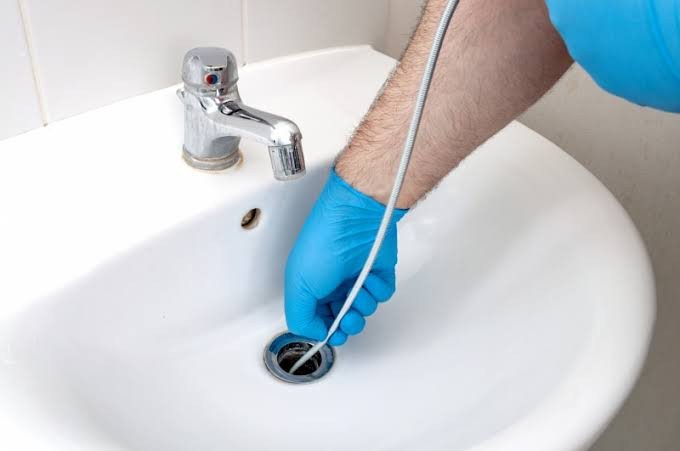
The most reliable sign you need drain cleaning service is that multiple drains in the house are slow or gurgling at the same time. A single slow sink is a local clog — hair, soap scum, food particles — that can often be cleared with a plunger or a hand auger. Multiple slow drains throughout the house indicate a main sewer line blockage, and that requires a professional with a motorized cable auger or a hydro jetter. The difference between a $20 DIY fix and a $500 professional service is whether the problem is in one drain or in all of them, says Bucks County property management.
Drains do not fail without warning. They send signals for weeks or months before the water backs up onto the floor. The signals are easy to miss because they are subtle at first — a toilet that flushes slightly slower than it used to, a sink that takes a few seconds longer to drain, a faint gurgling sound from the shower when the washing machine empties. Each of these is a drain telling you that something is building up inside the pipe. Ignored long enough, the signal becomes a backup. The backup is louder than the signal. It is also more expensive.
Sign 1: Multiple Slow Drains Throughout the House
A single slow drain — the bathroom sink, the shower — is a localized clog. The problem is in the trap or the branch line serving that fixture. A plunger, a drain snake, or removing and cleaning the trap may solve it. Multiple slow drains, the kitchen sink, the bathroom sink, and the shower are all draining slowly, point to a main line blockage. The water from each fixture is trying to exit through the same main drain, and the main drain is partially obstructed. Every fixture drains slowly because the common exit is restricted.
The test for a main line blockage: run the washing machine or fill the bathtub with a few inches of water and pull the plug. If the toilet gurgles or the shower drain bubbles while the tub drains, water from the tub is pushing air ahead of it through the main line, and the air is escaping through the lowest-resistance opening, the toilet trap or the shower drain. The gurgling is not a plumbing quirk. It is a pressure signal. Air that should be venting through the plumbing vent stack is being forced through the fixture traps because the main line is partially blocked. The fixtures work as vents when the real vent is disconnected or blocked. The gurgling is the sound of the system compensating for a problem.
Sign 2: Gurgling Sounds from Drains
A gurgling drain, a bubbling or sucking sound from a sink, shower, or toilet when another fixture is draining, indicates a venting problem or a partial main line blockage. In a properly functioning drain system, air flows freely through the vent stack, equalizing pressure as water flows through the pipes. When the vent is blocked, by a bird’s nest, a dead animal, ice, or debris, or when the main line is partially obstructed, the flowing water creates a vacuum behind it. The vacuum pulls air through the nearest available opening, the trap of an adjacent fixture. The air bubbles through the water in the trap, producing the gurgling sound.
A gurgling toilet when the washing machine drains is the most common presentation. The washing machine discharges 20 to 30 gallons of water in a few minutes. That volume of water rushing through the main line pushes a column of air ahead of it. If the main line is partially obstructed, the air column has nowhere to go except back up through the toilet trap. The toilet gurgles. The water in the bowl may bubble or rise slightly. This is not a toilet problem. It is a main line problem that the toilet is reporting.
Sign 3: Water Backing Up in Unexpected Places
Water backing up into a shower or bathtub when the toilet is flushed is a definitive sign of a main line blockage. The shower or tub drain is typically the lowest drain in the house. When the main line is blocked, water trying to exit the house backs up into the lowest available fixture. The toilet flushes. The water has nowhere to go. It rises into the shower pan. The shower was not in use. The toilet was. The water in the shower is wastewater that could not exit through the main line.
Water backing up into a basement floor drain during heavy rain suggests a combined sewer system, common in older cities, where storm water and sanitary waste share the same pipe. The municipal sewer is overwhelmed by rainwater, and the excess backs up into the lowest drain in the house. A backwater valve installed on the main line, $500 to $1,500, prevents municipal backups from entering the house. The valve allows water to flow out, not in. A basement floor drain that backs up only during heavy rain is a municipal problem, not a plumbing problem. The backwater valve is the solution. The plumber is the installer.
The Environmental Protection Agency (EPA) classifies sewage backups as Category 3 water damage, grossly contaminated water requiring professional remediation. A sewage backup that saturates flooring, drywall, or baseboards costs $3,000 to $10,000 to remediate. The cost of drain cleaning, $300 to $800, is a fraction of the cost of the remediation that follows if the backup is not prevented. The drain cleaning is cheap. The remediation is not.
Sign 4: Persistent Sewer Odors
A persistent sewer odor, not the occasional whiff from a rarely used guest bathroom, but an ongoing smell that you notice every time you enter a particular room, indicates a problem in the drain system. The most common cause is a dry trap. Every fixture has a U-shaped trap that holds water, creating a seal that prevents sewer gas from entering the house. A fixture that is not used for weeks or months, a guest bathroom sink, a basement floor drain, a laundry sink, loses its trap water to evaporation. The sewer gas flows freely into the room. Pouring a gallon of water into the drain refills the trap and stops the odor immediately.
If the odor persists after refilling all traps, the problem is deeper: a cracked or disconnected vent pipe in the wall, a broken sewer line under the foundation, or a wax ring on a toilet that has failed and is allowing sewer gas to escape around the base of the toilet. These are not DIY fixes. The plumber will use a smoke test, non-toxic smoke pumped into the drain system that exits at the leak point, or a camera inspection to locate the source. The smoke test costs $300 to $700. The camera inspection costs $200 to $600. The cost of finding the problem is less than the cost of living with it and wondering whether the smell is a dry trap or a broken sewer line.
Sign 5: An Unexplained Spike in the Water Bill
A running toilet leaks water into the bowl, not onto the floor. The leak is silent. The only evidence is the water bill. A toilet that runs continuously can waste 200 gallons per day, 6,000 gallons per month, adding $50 to $150 to the monthly water bill. The toilet dye test, a few drops of food coloring in the tank, wait 15 minutes without flushing, and check the bowl for color, confirms the leak. A $15 flapper replacement solves it.
A higher-than-normal water bill with no obvious source, no running toilets, no dripping faucets, no wet spots in the yard, may indicate a leak in the main water supply line between the meter and the house. The leak is underground. The water is escaping into the soil. The only sign is the meter spinning when no water is being used in the house. Turn off all fixtures. Check the meter. If it is moving, water is flowing somewhere. A leak detection service, $300 to $800, will locate the leak. The repair follows the detection. The water bill will return to normal when the leak is fixed.
Frequently Asked Questions
How do I know if I need professional drain cleaning?
You need professional drain cleaning if multiple drains are slow or gurgling simultaneously, water backs up into the shower when the toilet is flushed, there is a persistent sewer odor that refilling traps does not eliminate, or a single drain remains clogged after plunging and snaking with a hand auger. These signs indicate a problem beyond the reach of DIY tools.
Can I clean my drains myself instead of calling a plumber?
A clogged sink or shower drain that responds to a plunger or a hand auger can be cleared DIY. A main line blockage that affects multiple fixtures requires a motorized cable auger or a hydro jetter, professional equipment that costs more to buy than a single service call costs to hire. Do not use chemical drain cleaners. They rarely clear complete blockages, they damage old pipes, and they create a hazard for the plumber who eventually opens the line.
How much does professional drain cleaning cost?
A standard drain cleaning for a sink or shower costs $150 to $400. Main sewer line cleaning costs $300 to $800. Hydro jetting costs $350 to $900. Emergency or after-hours service adds 50% to 100%. The cost depends on the location of the clog, the method required to clear it, and the time of day.
How often should drains be professionally cleaned?
Most household drains do not need routine professional cleaning if they are draining properly. Clean drains only when they slow down or clog. The exception is homes with known tree root intrusion in the main sewer line: annual cleaning prevents roots from building up enough to cause a backup. The annual cleaning costs $300 to $600 and is a maintenance expense, not an emergency repair.
What is hydro jetting and when is it needed?
Hydro jetting uses a high-pressure water hose, 3,000 to 4,000 psi, to scour the inside of pipe walls. It costs $350 to $900 and is the right choice when the clog is caused by grease buildup, scale deposits, or sludge that a cable auger clears but does not remove from the pipe walls. Hydro jetting cleans the entire pipe diameter. A cable auger clears the center. The pipe should be camera-inspected before hydro jetting to confirm it can withstand the pressure.
Will professional drain cleaning prevent future clogs?
A professional cleaning clears the existing clog and removes the buildup that caused it. It does not prevent new buildup from forming. Grease poured down the kitchen sink, hair washed down the shower drain, and tree roots growing into the sewer line will continue to accumulate after the cleaning. Prevention requires changing what goes down the drain, no grease, hair strainers in showers, annual main line cleaning for root intrusion.
What Your Drains Are Telling You
A single slow drain is a Saturday project. A plunger, a hand auger, and an hour of your time. Multiple slow drains, gurgling toilets, and water backing up into the shower are a call to a plumber. The signs progress in order: slow drains, then gurgling, then backups. The earlier you respond, the less it costs. The $300 drain cleaning that clears a partial blockage today is the same blockage that becomes a $500 emergency call and a $3,000 sewage remediation if it is ignored for three more months.
The drains are talking. The gurgle is a warning. The backup is the end of the warning period. The plumber will come either way. The difference is whether the call is scheduled for Tuesday morning or for Saturday night. The drain does not care what day it is. The plumber does. So does the plumber’s emergency rate. Ever stood in an inch of water in the basement at 11 p.m., holding a plunger you know will not help, wondering whether to call the plumber now or wait until morning? The water does not wait until morning. The plumber charges double after hours. Call at 8 a.m. and pay $300. Call at 11 p.m. and pay $600. The drain does not care about your sleep schedule. The plumber’s overtime rate does.