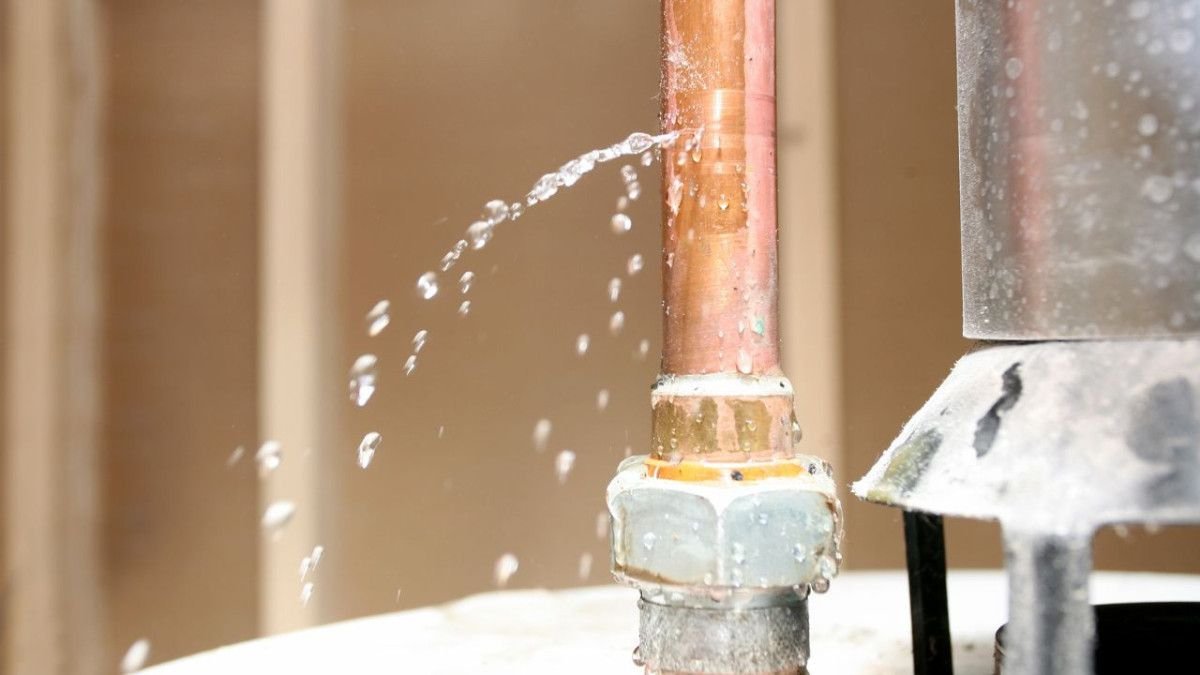
This leak detection cost guide for homeowners covers what you will pay in 2026 to find a leak before it finds you. Professional leak detection costs between $150 and $1,200 depending on the method, the location, and the difficulty of access, which can make them bear any financial burden if left unaddressed. A basic acoustic or visual inspection costs $150 to $400. Thermal imaging costs $300 to $800.
The cost of finding a leak is almost always less than the cost of the damage the leak causes while it remains unfound. A $400 leak detection visit that locates a pinhole in a copper pipe behind the kitchen wall prevents the $3,000 drywall, cabinet, and flooring replacement that follows when the pinhole becomes a rupture. The detection pays for itself if it finds the leak before the leak finds the ceiling below it.
Leak Detection Methods and Costs
Leak detection methods range from a free DIY water meter test to a $1,200 professional slab leak detection, with the method chosen based on the type of leak and its accessibility. Here is how the seven most common methods compare on cost and application.
| Method | Cost Range | How It Works | Best For |
| Visual and acoustic inspection | $150 – $400 | Plumber listens for hissing, looks for water stains, checks meter | Accessible leaks, obvious signs of water |
| Thermal imaging (infrared camera) | $300 – $800 | Camera detects temperature differences from moisture behind walls | Hidden leaks, water-damage assessment |
| Acoustic leak detection (electronic) | $300 – $700 | Sensitive microphones amplify the sound of water escaping a pipe | Pressurized supply line leaks, underground leaks |
| Slab leak detection | $400 – $1,200 | Combination of acoustic, thermal, and sometimes video pipe inspection | Leaks in pipes under concrete slab foundations |
| Video pipe inspection (sewer scope) | $250 – $600 | Waterproof camera fed through drain lines to locate cracks and breaks | Sewer line leaks, drain line problems |
| Smoke test (drain and vent system) | $300 – $700 | Non-toxic smoke pumped into drain system; smoke exits at leaks | Plumbing vent leaks, sewer gas odor source |
| Water meter test (DIY) | $0 | Turn off all water; watch the meter; if it moves, there is a leak | First step — confirms a leak exists before calling a pro |
Plumbing Leak Detection — Finding Water Where It Should Not Be
The most common leak detection scenario is a homeowner who notices a water stain on a ceiling or wall but cannot identify where the water is coming from. The stain is the exit wound. The leak is somewhere else — often far from the stain, because water travels along pipes, joists, and drywall before it drips onto the visible surface.
An acoustic leak detector, a sensitive ground microphone or a listening device that clamps onto a pipe, costs $300 to $700 for a professional inspection. The technician listens for the sound of pressurized water escaping from a pinhole or cracked joint. The method is effective for pressurized supply lines, the water moving through the leak produces a distinct hissing or whooshing sound that the equipment can isolate to within a few feet. It is less effective for drain lines, which are not under continuous pressure and only leak when water is actively flowing through them.
Thermal imaging costs $300 to $800 and detects the temperature difference between dry building materials and water-saturated materials. Wet drywall, wet insulation, and wet wood are cooler than their dry surroundings because evaporating water absorbs heat. The infrared camera produces a color-coded image, blue and purple for cool, wet areas; yellow and red for warm, dry areas, that shows the extent of the water damage and often points toward the source. Thermal imaging works best when there is a significant temperature difference between the wet area and the surrounding materials, early morning or evening, or when the heat or air conditioning has been running and the affected area has not equilibrated.
The Environmental Protection Agency (EPA) recommends addressing water leaks within 24 to 48 hours to prevent mold growth. A leak that goes undetected for weeks creates the conditions for mold behind walls and under flooring. The cost of professional mold remediation, $1,500 to $5,000 for a localized area, dwarfs the cost of leak detection. The clock on mold starts when the leak starts. The detection bill arrives later. The mold remediation bill arrives last and is the largest.
Slab Leak Detection, Finding Water Under Concrete
A slab leak is a leak in a water supply line or drain line that runs through or under the concrete slab foundation of a home. Slab leaks are common in homes built on slab foundations in the South and Southwest, where copper supply lines were routinely run through the slab or in the soil directly beneath it. The leak is invisible from above, the only signs are a hot spot on the floor, the sound of running water when no fixtures are in use, a water meter that runs continuously, or a sudden spike in the water bill.
Slab leak detection costs $400 to $1,200 and typically requires a combination of methods: acoustic listening devices to narrow down the general area, thermal imaging to pinpoint the hot or cold spot on the floor surface, and sometimes a video pipe inspection to confirm the location and assess the condition of the pipe. Once the leak is located, the repair options range from opening the slab from above, $1,000 to $4,000 per leak, including concrete patching, to rerouting the plumbing through the attic or walls and abandoning the under-slab line. A full under-slab repipe costs $4,000 to $10,000.
The detection cost is the smallest line item in a slab leak repair. The repair itself, the concrete patching, the flooring replacement, and the water-damage remediation are where the costs accumulate. The $500 detection bill is the entry fee. The real expense starts after the leak is found.
DIY Leak Detection, What You Can Do Before Calling a Pro
The water meter test: Turn off every water fixture in the house, faucets, ice maker, washing machine, dishwasher, irrigation system. Locate your water meter, typically in a box near the street or sidewalk. Note the position of the sweep hand or the digital reading. Wait 15 to 30 minutes without using any water. Check the meter again. If the reading has changed, water is flowing somewhere in the system and there is a leak. This test costs nothing and answers the most important question: is there a leak at all? If the meter does not move, the problem may be a drain line leak, which the meter test cannot detect, or a leak that is intermittent rather than continuous.
The toilet dye test: A running toilet can waste 200 gallons per day and is often the source of an unexplained high water bill. Put a few drops of food coloring in the toilet tank. Wait 15 minutes without flushing. If the color appears in the bowl, the flapper is leaking and needs to be replaced for $5 to $15. The dye test costs pennies and identifies the most common household water leak in under 15 minutes.
When to stop DIY and call a pro: If the water meter test confirms a leak but you cannot find its source, no visible water stains, no sounds of running water, no wet spots on the floor, the leak is hidden behind a wall, under a floor, or in the slab. Call a professional leak detection service. The $300 to $800 detection cost is less than the cost of cutting exploratory holes in drywall to find the leak yourself. The professional brings equipment that finds the leak. The homeowner brings a drywall saw and hope. The professional’s method is faster and cheaper in the end.
Frequently Asked Questions
How much does professional leak detection cost?
Professional leak detection costs $150 to $1,200 depending on the method and the difficulty. A basic visual and acoustic inspection costs $150 to $400. Thermal imaging costs $300 to $800. Slab leak detection costs $400 to $1,200. Most homeowners pay $300 to $500 for a standard leak detection call that locates the source of a hidden leak.
How do plumbers find hidden water leaks?
Plumbers use a combination of acoustic listening devices, thermal imaging cameras, and water meter tests to find hidden leaks. Acoustic devices amplify the sound of water escaping from a pipe. Thermal cameras detect the temperature difference between wet and dry building materials. A water meter test confirms that a leak exists somewhere in the system before the search begins.
Can I find a water leak myself without calling a plumber?
You can confirm a leak exists using the water meter test, turn off all water, watch the meter, and if it moves there is a leak. You can identify a running toilet with the food-coloring dye test. You cannot locate a hidden leak behind a wall, under a floor, or in a slab without professional equipment. The cost of cutting exploratory holes in drywall to search for a leak usually exceeds the cost of a professional leak detection service that finds it without damage.
Does homeowners insurance cover leak detection?
Standard homeowners insurance typically does not cover the cost of leak detection as a standalone service. It may cover the water damage caused by a sudden, accidental leak, a burst pipe, for example, but the cost of finding the leak before it causes damage is considered a maintenance expense. Some policies cover leak detection when it is part of a covered water-damage claim. Check your policy or contact your agent.
How do I know if I have a slab leak?
Signs of a slab leak include: a hot spot on the floor, indicating a leaking hot water line under the slab, the sound of running water when no fixtures are on, a water meter that runs continuously, a spike in the water bill with no change in usage, cracks in the foundation or floor tiles, and damp carpet or flooring in an area with no visible water source. If you suspect a slab leak, call a plumber who specializes in slab leak detection, not a general plumber who treats it as an occasional job.
How long does a leak detection service take?
A standard leak detection visit takes 1 to 2 hours. A slab leak detection takes 2 to 4 hours. The technician needs time to set up equipment, systematically narrow down the leak location, and confirm the finding. A leak detection that takes 15 minutes and concludes “it is somewhere in this wall” has not detected the leak. It has narrowed it down to an area. The difference is whether the drywall repair costs $300 for a precise cut or $1,500 for an exploratory trench across three stud bays.
What Finding a Leak Costs
A $400 leak detection visit that finds a pinhole before it becomes a rupture saves $3,000 in drywall, $2,000 in flooring, and $2,000 in mold remediation. The detection pays for itself before the plumber even opens the tool bag to make the repair. The math is not complicated. The timing is what most homeowners get wrong.
If your water bill is higher than usual and you cannot explain why, do the water meter test today. If the meter moves with everything off, there is a leak. If you cannot find it in 30 minutes of looking, call a leak detection service. The $400 detection cost is the cheapest money you will spend on this problem. The alternative, waiting until the leak announces itself through the ceiling, costs ten times as much and arrives on its own schedule. Usually a weekend. Usually when you have guests. Ever hosted a dinner party where someone pointed at the ceiling and asked “has that stain always been there”? The stain was not there last week. The leak was. The stain is just the messenger. Shoot the messenger if you want. The leak is still leaking.