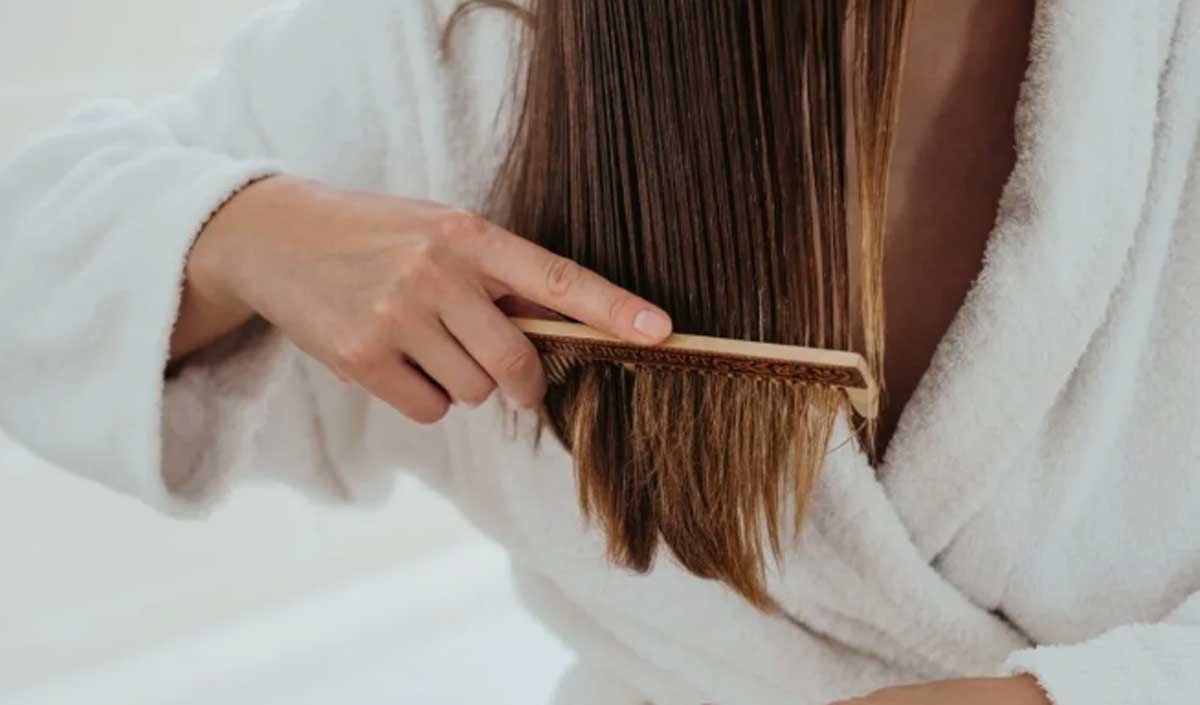
If you have ever run your fingers through your hair and felt rough, brittle strands instead of smooth, silky locks, you know the quiet devastation of hair damage. Most people searching for how to repair damaged hair have already tried the expensive masks, the protein treatments, and the salon glosses—only to find their hair snapping back to its straw-like state within days. The frustration is real, and it is completely understandable.
The core problem is that most hair repair advice treats all damage as identical. It is not. The solution for bleach-fried hair is fundamentally different from the remedy for heat-damaged ends, and both are different from the approach needed for hair weakened by tight braids or aggressive brushing. This guide breaks down the science behind each type of damage and provides targeted, practical strategies to restore your hair’s health—without the guesswork.
Understanding the Science of Hair Damage
To repair damaged hair effectively, you first need to understand what is happening at a microscopic level. Your hair strand consists of three concentric layers. The innermost layer is the medulla, a soft core present mainly in thick hair. Surrounding it is the cortex, which provides strength, elasticity, and color. The outermost layer is the cuticle—a series of overlapping, scale-like cells that lie flat when hair is healthy, reflecting light and protecting the inner layers.
When hair becomes damaged, these cuticle scales lift, chip, or erode entirely. This exposes the fragile cortex to environmental aggressors, causing rapid moisture loss and structural weakness. Research published in the International Journal of Trichology confirms that cuticle damage is the primary driver of hair breakage and the rough texture associated with damaged hair. Once the cortex is exposed, the hair loses its natural elasticity and becomes prone to snapping under even minimal tension.
The Three Primary Types of Hair Damage
Identifying the root cause of your hair damage is the single most important step in your repair journey. Applying the wrong treatment can actually worsen the problem.
- Chemical Damage: Caused by bleaching, permanent coloring, relaxers, or perms. These processes use alkaline chemicals to open the cuticle and alter the hair’s internal disulfide bonds. The result is often a “gummy” or overly stretchy texture when wet, indicating the bonds have been broken beyond the hair’s ability to self-correct.
- Thermal Damage: Caused by flat irons, curling wands, and blow dryers used at high temperatures. Heat above 230°C (450°F) can boil the moisture inside the hair shaft, creating microscopic bubbles that fracture the cortex from within. This manifests as split ends, frizz, and a dull, lifeless appearance.
- Mechanical Damage: Caused by aggressive brushing, tight hairstyles like high ponytails, or friction from rough cotton pillowcases and towels. This type of damage physically wears away the cuticle over time, leading to gradual thinning and breakage, particularly along the hairline and at the nape of the neck.
How to Repair Chemically Damaged Hair
Chemical damage is often the most severe and the most misunderstood. If your hair feels like it has lost its “bounce” after coloring or bleaching, you are likely dealing with compromised disulfide bonds. Standard moisturizing conditioners cannot fix this because they do not penetrate deep enough to address the structural issue.
Step 1: Start with a Bond-Building Treatment
The most clinically significant advancement in hair repair over the past decade has been the development of bond-building technology. These treatments work at a molecular level to reconnect the broken disulfide bonds within the hair cortex. Unlike silicone-based products that simply coat the hair surface, bond builders restore the actual structural integrity of the strand.
Look for products containing maleic acid, bis-aminopropyl diglycol dimaleate, or hydrolyzed proteins. Apply a bond-building treatment once a week to damp, unwashed hair. Leave it on for the full recommended time—typically 10 to 30 minutes—before shampooing and conditioning as usual. Consistency is key: most users report noticeable improvement after four to six weeks of regular use.
“Kerastase Resistance, Moroccanoil Repair, and Oribe Gold Lust have worked the best for me, and I alternate these each shampoo. No one needs to live with extremely damaged hair if they use the right products consistently.”
— u/HairCareEnthusiast, r/Sephora
Step 2: Switch to a Sulfate-Free, Protein-Rich Shampoo
Sulfate-based shampoos are highly effective at removing dirt and oil, but they are also aggressive enough to strip the remaining natural oils from already-compromised hair. For chemically damaged hair, switching to a sulfate-free formula is non-negotiable. Look for shampoos that include hydrolyzed keratin or silk proteins in their ingredient list, as these can temporarily fill in gaps in the damaged cuticle.
How to Fix Thermal and Mechanical Damage
Heat damage and mechanical damage share a common characteristic: they primarily affect the outer cuticle rather than the internal bond structure. This means they respond well to treatments focused on smoothing, sealing, and protecting the hair surface.
Deep Conditioning: The Foundation of Thermal Repair
A weekly deep conditioning mask is the cornerstone of any thermal damage repair routine. The key is choosing a mask with the right ingredient profile for your specific needs. Hair requires a careful balance of moisture and protein. If your hair feels mushy, overly stretchy, or limp when wet, it is over-moisturized and needs protein. If it feels stiff, snaps easily, or feels like straw, it is protein-overloaded and needs moisture.
| Ingredient | Primary Benefit | Best Damage Type |
|---|---|---|
| Hyaluronic Acid | Attracts and retains moisture in the cortex | Dry, brittle hair |
| Hydrolyzed Keratin | Fills cuticle gaps and reduces porosity | Heat-damaged, porous hair |
| Argan Oil | Smooths cuticle and adds high-shine finish | Frizzy, dull hair |
| Jojoba Oil | Mimics natural scalp sebum, seals moisture | Dry scalp and brittle ends |
| Shea Butter | Provides intense emollient conditioning | Coarse, thick, or coily hair |
| Panthenol (Pro-Vitamin B5) | Penetrates shaft, improves elasticity | Weak, snapping hair |
Addressing Mechanical Damage: Gentle Handling Protocols
If mechanical damage is your primary concern, the most impactful change you can make is to your detangling routine. Always detangle hair when it is wet and coated with conditioner, starting from the ends and working your way up to the roots. Use a wide-tooth comb or a detangling brush with flexible bristles rather than a standard paddle brush, which can cause significant breakage on fragile, damaged strands.
Switching from a cotton pillowcase to a silk or satin one is a small change with a surprisingly large impact. Cotton creates friction as you move during sleep, which gradually erodes the cuticle. Silk and satin allow hair to glide freely, dramatically reducing overnight mechanical damage.
Natural Remedies to Repair Damaged Hair at Home
Professional products are highly effective, but several natural remedies can meaningfully supplement your repair routine. These options are often more affordable and use ingredients you may already have at home.
Coconut Oil: The Most Researched Natural Hair Treatment
Coconut oil is one of the few natural oils with published scientific evidence supporting its ability to penetrate the hair shaft. A study published in the Journal of Cosmetic Science found that coconut oil, due to its low molecular weight and straight linear chain structure, is the only oil capable of reducing protein loss in both undamaged and damaged hair. Apply warm coconut oil to the mid-lengths and ends of your hair, leave it on for at least 30 minutes (or overnight for severely damaged hair), and then wash it out thoroughly.
Egg Masks: A Protein Treatment from Your Kitchen
Eggs are a surprisingly effective protein treatment for damaged hair. The whites are rich in albumin proteins that can temporarily strengthen the hair shaft, while the yolks contain fatty acids that provide deep conditioning. For dry, damaged hair, use the whole egg mixed with a tablespoon of olive oil. Apply to damp hair, cover with a shower cap, and leave on for 20 minutes before rinsing with cool water. The cool water is essential—warm water will cook the egg in your hair.
Apple Cider Vinegar Rinse: Restoring pH Balance
Healthy hair has a slightly acidic pH of around 4.5 to 5.5. Many chemical treatments and alkaline shampoos disrupt this balance, causing the cuticle to remain open and rough. An apple cider vinegar rinse, diluted to one part vinegar and three parts water, can help restore the hair’s natural pH, effectively closing the cuticle and improving shine and manageability. Use it once a week as a final rinse after conditioning.
Essential Lifestyle Changes for Long-Term Hair Health
Repairing damaged hair is not solely about the products you apply. The habits you maintain every day have an equally significant impact on your hair’s recovery and future resilience.
Rethink Your Washing Frequency
Washing your hair every day strips it of sebum, the natural oil your scalp produces to protect and condition the hair shaft. For damaged hair, extending the time between washes to every two or three days allows sebum to travel down the hair shaft and provide natural conditioning. When you do wash, focus the shampoo on your scalp only, allowing the suds to gently cleanse the lengths as you rinse rather than actively scrubbing them.
Always Use Heat Protection
If you use any heat styling tools, a heat protectant is not optional—it is essential. Heat protectants work by forming a thin film around the hair shaft that distributes heat more evenly and reduces the peak temperature the hair is exposed to. Look for products containing silicones like dimethicone or cyclomethicone, which are particularly effective at this. Apply the protectant to damp hair before blow-drying, and to dry hair before using flat irons or curling wands.
“Cutting off the worst ends, lowering the heat, and routinely deep conditioning helped me the most with split and damaged hair. Additionally, I stopped washing my hair every day and the difference was remarkable within a month.”
— u/HairRecoveryJourney, r/Haircare
Nutrition and Hair Health: The Inside-Out Approach
Hair is primarily composed of a protein called keratin. If your diet is deficient in protein, your body will deprioritize hair growth and strength in favor of more critical functions. Ensure you are consuming adequate protein from sources like eggs, fish, legumes, and lean meats. Additionally, deficiencies in vitamins D, B12, biotin, iron, and zinc are all associated with increased hair fragility and loss, according to research published in Dermatology and Therapy.
When to See a Professional: Knowing Your Limits
There are situations where at-home treatments are not sufficient. If your hair is severely over-processed—particularly after multiple bleaching sessions—the structural damage may be too extensive for topical treatments to address meaningfully. In these cases, a professional bond-repair treatment administered in a salon can deliver a higher concentration of active ingredients under controlled conditions.
Similarly, if you are experiencing significant hair shedding or thinning in addition to damage, it is worth consulting a dermatologist. Conditions like telogen effluvium (stress-induced shedding) or alopecia require medical intervention rather than cosmetic treatment.
Frequently Asked Questions About Repairing Damaged Hair
Can damaged hair ever be fully repaired?
The honest answer is that truly damaged hair—where the cortex has been severely compromised—cannot be fully restored to its original state. Hair is not a living tissue and cannot regenerate itself. However, the right treatments can dramatically improve the appearance, texture, and manageability of damaged hair by sealing the cuticle, restoring moisture balance, and temporarily filling in structural gaps. The only way to truly “replace” damaged hair is to grow it out and trim away the damaged sections over time.
How long does it take to repair damaged hair?
Visible improvement can often be seen within two to four weeks of starting a consistent repair routine. However, significant restoration typically takes three to six months. The timeline depends on the severity of the damage, the length of your hair, and how consistently you follow your repair regimen.
How often should I deep condition damaged hair?
For most people with damaged hair, a deep conditioning treatment once a week is ideal. If your hair is severely damaged, you may benefit from twice-weekly treatments initially, scaling back to once a week as your hair improves. Avoid over-conditioning, as too much moisture without adequate protein can lead to hygral fatigue—a condition where the hair becomes weak from repeated swelling and drying.
The Bigger Picture: Reclaiming Your Confidence
Learning how to repair damaged hair is ultimately about more than aesthetics. When your hair feels strong, looks healthy, and behaves predictably, you spend less mental energy managing it and more energy on the things that matter. The journey requires patience—there are no overnight miracles—but the combination of targeted treatments, gentle daily habits, and nutritional support creates a powerful foundation for recovery.
Start by identifying your specific type of damage. Then build a routine around the treatments most relevant to your situation. Be consistent, be gentle, and give your hair the time it needs to respond. The results—smooth, resilient, manageable hair—are entirely within reach.