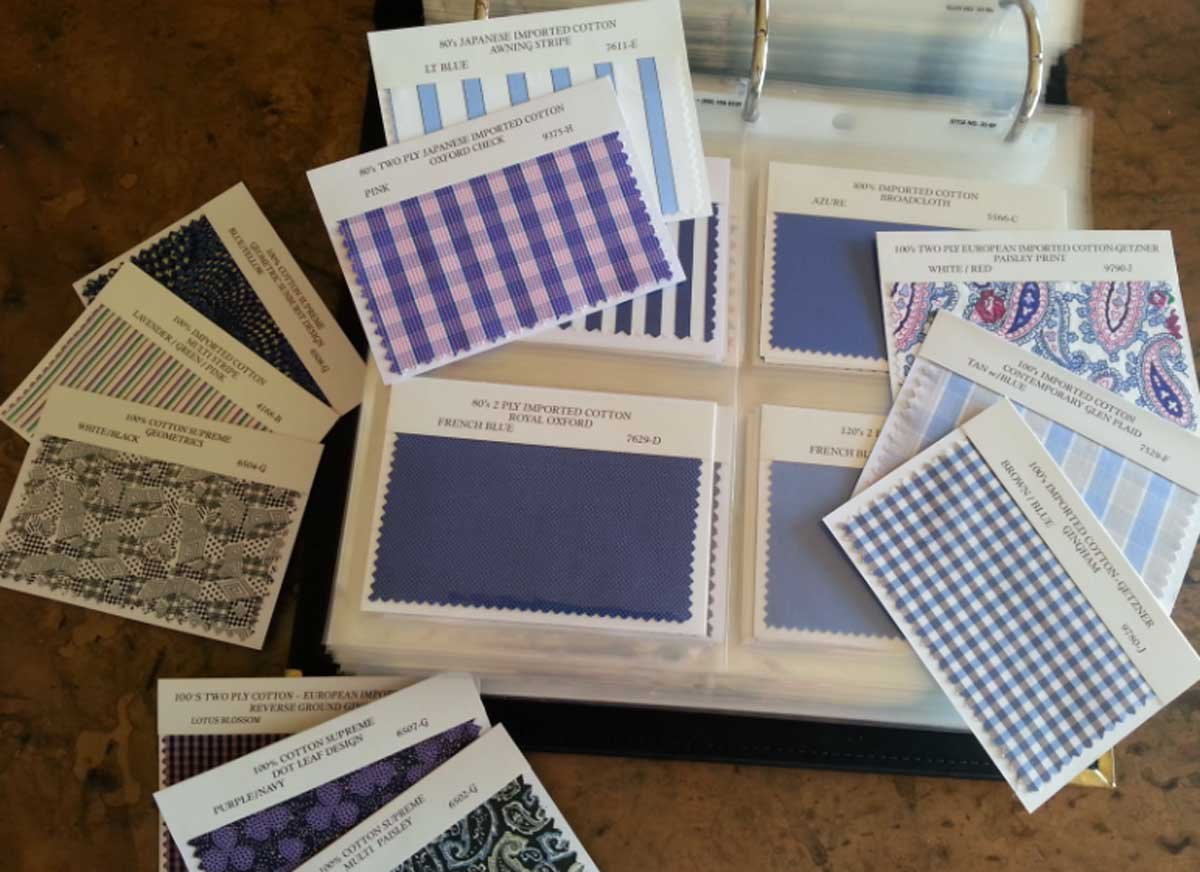
Fabric selection is one of the most important stages in fashion design. A garment may begin with a sketch, but its final look, feel, fit, and comfort depend heavily on the fabric chosen. For fashion designers, especially those working on multiple collections, client projects, or custom pieces, choosing the right fabric can take a lot of time. This is where a swatch book becomes extremely useful.
A swatch book for designers is a practical tool that brings fabric samples together in one organized format. Instead of guessing from online images or handling full fabric rolls each time, designers can quickly compare textures, colors, prints, thickness, and finishes before making a final decision.
What Is a Swatch Book?
A swatch book is a collection of small fabric samples arranged in a structured way. Each sample gives designers a clear idea of how the fabric looks and feels in real life. It may include information such as fabric type, texture, GSM, weave, color, print quality, and possible usage.
For fashion designers, this becomes a handy reference point during the design process. Whether they are creating dresses, shirts, co-ord sets, ethnic wear, resort wear, or casual clothing, a swatch book helps them shortlist materials faster and more confidently.
Helps Designers Feel the Fabric Before Selection
One of the biggest limitations of digital browsing is that fabric cannot be judged fully through images. A fabric may look soft online but feel stiff in hand. Similarly, a print may appear bright on screen but look different under natural light.
A swatch book solves this problem by allowing designers to touch and examine the fabric physically. They can check whether the fabric is soft, crisp, flowy, structured, thick, or lightweight. This is especially important because the same design can look completely different depending on the fabric used.
For example, a flowy dress needs a fabric with good drape, while a structured jacket requires something firmer. With swatches, designers can make these decisions more accurately.
Saves Time During Fabric Shortlisting
Fashion designers often work under tight deadlines. Searching through multiple fabric options, asking for samples again and again, or visiting fabric stores repeatedly can slow down the process.
A swatch book keeps key fabric options in one place. Designers can quickly open the book, compare samples, and shortlist materials without wasting time. This is especially helpful during collection planning, client meetings, sampling, and production discussions.
Instead of starting from scratch every time, the designer already has a ready reference. This improves workflow and makes fabric selection more efficient.
Makes Client Presentations Easier
When designers work with clients, explaining fabric choices can be difficult without physical samples. Clients may not understand technical terms like weave, GSM, fall, or texture. A swatch book makes the discussion simpler.
Designers can show fabric options directly and explain how each one will affect the final garment. Clients can touch the fabric, compare colors, and feel more involved in the decision-making process.
This reduces confusion and builds confidence. It also helps avoid misunderstandings later, especially in custom clothing or boutique projects.
Helps Compare Prints and Colors Accurately
Color and print accuracy are very important in fashion. Screen colors can vary from device to device, which means a shade may look different on a phone, laptop, or printed catalogue. A swatch book gives a more reliable view of the actual fabric color.
This becomes even more useful when working with printed fabrics. Designers can examine print sharpness, color depth, motif size, and overall finish. For brands creating statement pieces, resort wear, fusion wear, or occasion wear, printed fabrics can define the entire look of the garment.
Designers exploring digital printed fabric for clothing can use swatches to check how prints appear on different fabric bases before placing larger orders.
Supports Better Fabric and Design Matching
Not every fabric suits every design. A beautiful fabric may not work for a particular garment if it lacks the right fall, stretch, breathability, or structure. Swatch books help designers match fabric properties with design requirements.
For example:
Lightweight fabrics work well for summer dresses, tunics, and relaxed silhouettes.
Structured fabrics are better for jackets, trousers, and tailored pieces.
Soft fabrics suit children’s wear, loungewear, and daily clothing.
Printed fabrics are ideal for statement garments and festive collections.
By comparing swatches, designers can quickly decide which material supports their creative vision best.
Reduces Sampling Mistakes
Fabric mistakes can be expensive. If a designer chooses the wrong fabric for sampling, the garment may not fall correctly, the fit may look off, or the final piece may not match the intended design. This leads to wasted time, money, and effort.
A swatch book reduces this risk. Since designers can evaluate fabric characteristics before ordering, they are less likely to choose unsuitable materials. It helps them make informed decisions at the early stage itself.
This is especially valuable for small fashion labels, independent designers, boutiques, and startups where every sample cost matters.
Useful for Collection Planning
When creating a fashion collection, consistency is important. The fabrics should work together in terms of color story, texture, print style, and season. A swatch book helps designers lay out different samples and plan the overall mood of the collection.
They can compare earthy tones, bright prints, solids, textures, and lightweight fabrics side by side. This makes it easier to build a balanced range instead of selecting fabrics randomly.
A well-organized swatch book also helps designers maintain fabric records for future collections.
Helps in Sustainable Fabric Selection
Many designers today are choosing fabrics more consciously. They want materials that are comfortable, durable, and better for the environment. A swatch book can help compare sustainable fabric options before buying in bulk.
Weaving Vibes offers fabric options that can help designers explore different textures, prints, and natural material choices more conveniently. For designers who want to make thoughtful fabric decisions, having physical swatches can make the selection process much clearer.
Improves Communication with Tailors and Manufacturers
Designers often need to explain fabric choices to tailors, pattern makers, production teams, and manufacturers. A swatch book makes this communication smoother.
Instead of describing a fabric verbally, designers can show the exact sample. This reduces errors in sourcing, cutting, stitching, and finishing. It also helps production teams understand how the fabric should be handled.
Clear communication leads to better final garments.
Final Thoughts
A swatch book is more than a collection of fabric samples. It is a practical decision-making tool for fashion designers. It helps save time, avoid mistakes, improve client communication, compare colors and textures, and choose fabrics more confidently.
For designers working on collections, custom clothing, or boutique production, a swatch book can make the entire fabric selection process faster and more organized. With the right swatches in hand, designers can move from idea to execution with much more clarity.