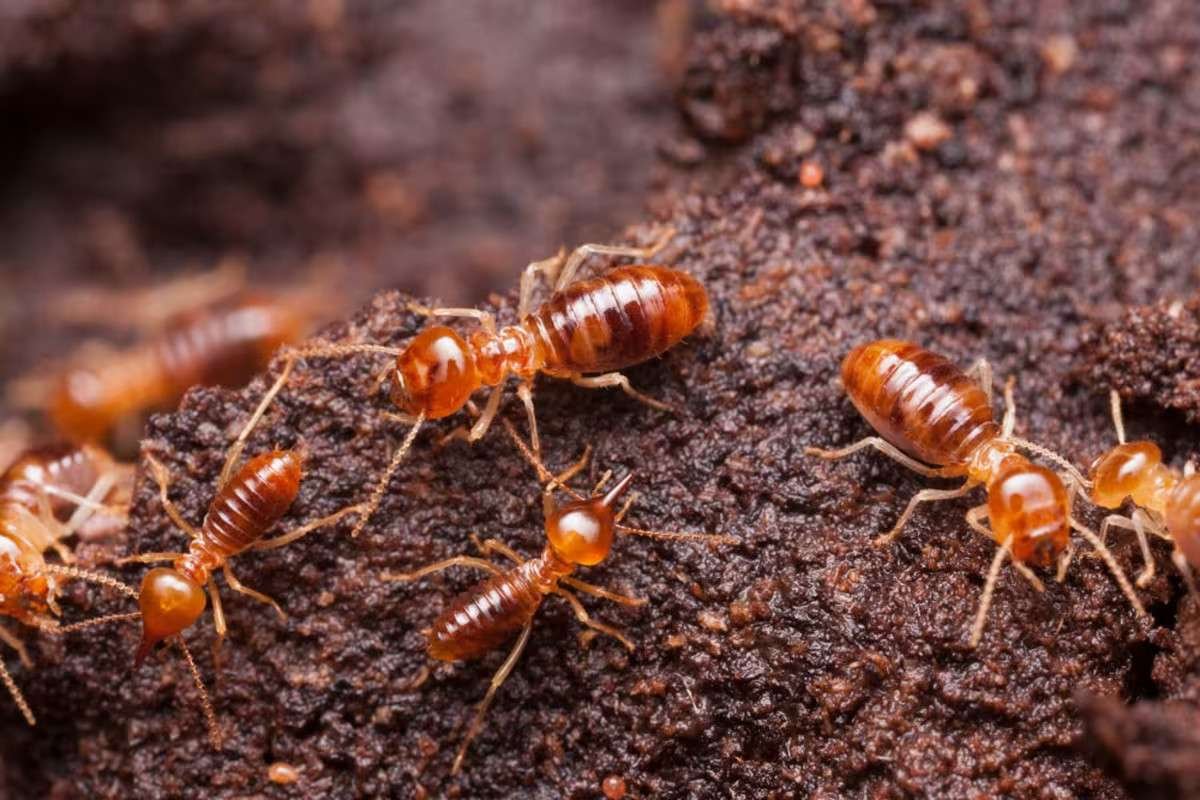
You found a small pile of wings on the windowsill and a mud tube running up the foundation wall, reports HCM Property Management, a trusted Long Beach Property Management firm. The inspector confirmed it three days later: active subterranean termites, colony size unknown, damage extent unclear until they open the wall.
Your first question was not how to kill them. It was how much this was going to cost.
What Each Type of Termite Treatment Actually Costs
Termite treatment is not one product with one price. The method depends on the species, the infestation location, and whether you need to kill an active colony or prevent one from forming. Each method has a different cost structure.
| Treatment Type | Average Cost Range | Best For | How It Works |
| Liquid soil barrier (Termidor, Taurus SC) | $1,200–$3,500 | Subterranean termites, whole-house treatment | Technician trenches around the foundation and injects termiticide into the soil. Creates a continuous treated zone that kills termites on contact for five to eight years. |
| Bait stations (Sentricon, Trelona) | $800–$2,500 installation; $300–$500/year monitoring | Subterranean termites, ongoing prevention | Plastic stations with cellulose bait are installed in the ground around the perimeter. Foragers carry the slow-acting poison back to the colony. Takes two to six months to eliminate a colony. |
| Whole-structure fumigation (Vikane gas) | $2,000–$8,000 | Drywood termites, severe infestations | House is tented and filled with sulfuryl fluoride gas for 24 to 72 hours. Kills all termites inside the structure. Requires full evacuation for three days. |
| Spot treatment (foam or dust injection) | $200–$600 per area | Localized drywood or dampwood termite activity | Insecticidal foam or dust is injected directly into termite galleries through small drill holes. Effective only when the infestation is contained to a known location. |
| Orange oil or heat treatment | $800–$2,000 per room | Drywood termites, eco-conscious homeowners | Heat treatment raises infested wood to 120°F for 30 minutes. Orange oil injection dissolves termite exoskeletons on contact. Both require precise application and miss termites in untreated areas. |
The price gap between the low end and the high end within each category is driven almost entirely by house size. A 1,200-square-foot single-story home on a slab requires roughly 150 linear feet of trenching for a liquid barrier. A 3,500-square-foot home with a crawlspace and a detached garage requires over 500 linear feet. The termiticide cost alone scales linearly with perimeter length, and the labor scales with it.
Inspection Costs: The Bill Before the Bill
A termite inspection costs $75 to $150 on average, and many pest control companies waive the inspection fee if you sign a treatment contract with them within 30 days. A standalone inspection from an independent inspector who does not sell treatments costs $150 to $300 and typically produces a more detailed report because there is no incentive to recommend treatment you do not need.
If you are buying or selling a home, the lender will require a Wood-Destroying Insect (WDI) inspection report, also called a termite letter. This costs $50 to $125 and confirms the presence or absence of active infestation and past damage. The WDI report is a pass/fail document. It tells you whether termites are present. It does not tell you how much it will cost to treat them.
What Drives the Price Up: The 5 Factors That Matter Most
The same house in two different ZIP codes can receive quotes that differ by $2,000 or more for the same treatment. Here is what is actually causing the variation.
House size and foundation type are the biggest drivers. Slab foundations are the cheapest to treat because the soil barrier is a single continuous trench around the perimeter. Crawlspace foundations add cost because the technician must enter the crawlspace and treat the interior foundation walls and piers in addition to the exterior trench. Basement foundations are the most expensive because the soil must be treated on both the interior and exterior sides of the foundation walls.
Infestation severity changes the treatment plan. A colony that has been active for years and has spread through multiple wall voids may require a combination of liquid barrier plus foam injection, which doubles the treatment cost. A fresh infestation caught during the first swarm can often be handled with bait stations alone, at the low end of the price range.
Geography matters. Termite treatment in Florida, Louisiana, and Texas costs 15 to 25 percent more than the national average because termite pressure is higher, treatment standards are stricter, and demand for pest control services is year-round. The same treatment in Minnesota or Colorado, where termite activity is lower, costs less because fewer companies compete for the same work.
Access issues add labor. If the foundation is buried behind dense landscaping, under a deck, or behind a concrete patio that cannot be trenched, the technician must either remove and replace the obstruction or drill through concrete to inject termiticide below the slab. Drilling and patching concrete costs $5 to $10 per linear foot above the base treatment price.
The warranty structure affects the upfront price. A one-time treatment with a one-year warranty costs less upfront but leaves you exposed to reinfestation costs after year one. A treatment bundled with an annual renewal contract costs more in year one but includes annual inspections and retreatment at no additional cost if termites return. Over a ten-year period, the bundled contract is almost always cheaper than paying for a second full treatment out of pocket.
Termite Bonds and Annual Contracts
A termite bond is an annual service contract with a pest control company that includes regular inspections and retreatment guarantees. Bond costs range from $300 to $600 per year for a standard subterranean termite bond and $500 to $1,000 per year for a Formosan termite bond in Gulf Coast states.
A repair bond goes further: it covers the cost of structural repairs if termites cause damage while the bond is active. Repair bonds cost $500 to $1,200 per year and typically carry a deductible of $500 to $2,500 per claim. Companies that offer repair bonds inspect more thoroughly and have stricter treatment standards because they are financially liable for missed infestations.
Most homeowners who cancel a termite bond after year two do it because they have not seen termites and feel they are paying for nothing. The bond is doing its job. It is paying for the absence of termites, the same way car insurance pays for the absence of financial ruin after a crash you have not had yet.
Damage Repairs: The Cost People Forget to Budget
Termite treatment kills the termites. It does not repair the wood they ate. The repair bill is separate from the treatment bill, and it is frequently larger.
| Damage Type | Repair Cost Range |
| Sill plate or floor joist replacement (localized) | $1,000–$3,000 |
| Subfloor replacement (single room) | $800–$2,500 |
| Wall stud replacement (load-bearing wall) | $3,000–$8,000 |
| Ceiling joist or rafter repair | $2,000–$5,000 |
| Full structural remediation (severe, multi-room) | $10,000–$30,000 |
Homeowners insurance does not cover termite damage. Insurance policies classify termites as a maintenance issue, not a sudden or accidental event. The entire repair cost comes out of your pocket unless you have a termite repair bond or a separate termite damage rider, which few standard policies offer.
DIY vs. Professional: The Cost Math
A DIY liquid termiticide treatment using a consumer-grade concentrate costs $150 to $400 in materials. The same product applied by a professional costs $1,200 to $3,500. The difference is not the chemical. It is the equipment, the training, and the liability.
Professional termiticide application requires a pressurized injection rig that delivers the chemical at 25 to 30 PSI to a depth of four to six inches along the entire foundation perimeter, applied in a continuous band with no gaps. A homeowner with a pump sprayer cannot achieve the required depth or pressure. A gap in the treated zone the width of a pencil is enough for termites to bypass the barrier entirely.
Bait stations are the one termite treatment where DIY is viable if you are disciplined about monitoring. Install prefilled stations every ten feet around the foundation, check them monthly, and replace consumed baits within one week. The materials cost $200 to $500 for a set of 20 stations. The professional markup exists because most homeowners stop checking the stations after month three, and an unmonitored bait station is a termite feeding station, not a termite killer.
Frequently Asked Questions
Are termite treatments worth the cost?
Yes. The average termite treatment costs $1,500 to $3,000. The average structural repair from untreated termite damage costs $7,000 to $15,000. Treating termites is a 3:1 to 5:1 return compared to the cost of repairing the damage they cause if left untreated. The math is unpleasant but it is not complicated.
Can a house with termites be saved?
Almost always yes, if the infestation is caught before the structural framing is compromised. Termites eat wood slowly. A colony of 60,000 subterranean termites consumes roughly one foot of a two-by-four per year. Most homes with active termites have months or years of gradual damage before load-bearing members fail. The exception is Formosan termites, which form colonies of several million and can destroy a structural beam in six months. If you have Formosan termites, do not wait for a second quote.
Does homeowners insurance cover termite treatment?
No. Standard homeowners insurance policies exclude termite treatment and termite damage. Termites are classified as a preventable maintenance issue under the neglect exclusion in most policies. The only coverage available is through a termite repair bond purchased directly from a pest control company, not from your insurance carrier.
What is the cheapest way to treat termites?
Spot treatment with termiticide foam injected into visible galleries costs $200 to $600 and is the least expensive professional option. It works only when the infestation is small and fully visible. For whole-house protection, bait stations are the lowest upfront cost at $800 to $2,500 installed, but they require ongoing monitoring fees of $300 to $500 per year. Liquid soil barriers cost more upfront but typically last five to eight years with a single application, making them cheaper per year over the long term.
How long does termite treatment last?
Liquid soil barriers using fipronil (Termidor) last five to eight years before requiring reapplication. Bait stations require continuous monitoring and bait replacement indefinitely. Whole-structure fumigation kills all termites present at the time of treatment but provides zero residual protection. New termites can reinfest the day after the tent comes off. Fumigation must be paired with an ongoing prevention plan or it is a one-time fix with no future.
The Short Version
Termite treatment costs between $800 and $8,000 depending on the method, the house size, and the severity of the infestation. The national average for a standard liquid soil barrier on a 2,000-square-foot home is $1,500 to $2,500.
While budgeting for major treatments is important, maintaining a regular schedule for inspections can help homeowners identify activity before it becomes a structural crisis. In regions where environment and local weather patterns contribute to higher insect populations, consistent monitoring often serves as the most effective first line of defense. Engaging with professional pest control in lake in the Hills can provide a clear assessment of a property’s specific vulnerabilities and help implement barriers that manage seasonal activity. This proactive strategy often limits the need for more invasive and expensive chemical applications or extensive wood repairs later on.
The inspection costs less than dinner for two. The treatment costs less than a used car. The repairs, if you wait, cost more than both combined. You do not need the cheapest quote. You need a continuous treated zone with no gaps and a warranty that covers retreatment if the termites find the one gap you missed.