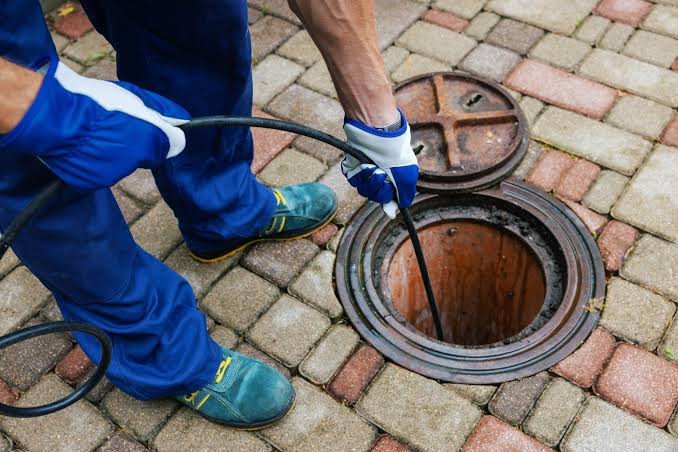
A slow-draining sink is annoying. A backed-up sewer line flooding your basement is a five-figure problem. Most drain issues start small — a gurgle here, a faint smell there — and escalate because the homeowner either ignores the warning signs or reaches for the wrong fix and makes the clog worse.
Drain cleaning at home is not one-size-fits-all. The fix that clears a bathroom sink clogged with hair and soap scum will do nothing for a kitchen line blocked with solidified grease three feet down the pipe. The chemical drain cleaner that dissolves grease might also dissolve your 60-year-old galvanized pipes. Knowing which drain cleaning problems and fixes apply to your specific situation, before you unscrew the trap or pour anything down the drain, is the difference between a 15-minute fix and an emergency plumber call on a Sunday.
“Drain Cleaning. Homeowners haven’t been downstairs in 3+ weeks. Mainline clog. The sewage backed up through the floor drain and they didn’t notice until the smell made it upstairs.”
— r/Plumbing, October 2024 (68 upvotes, 14 comments), source
Mainline clogs do not announce themselves with a polite notification. They announce themselves with sewage backing up through the lowest drain in the house, usually a basement floor drain or a ground-level shower. By the time you notice, the clog has been building for weeks or months. The only fix at that stage is a professional with a power auger or hydro jet, and the cleanup cost often exceeds the plumbing bill.
Clogged Drains — The Five Most Common Causes and How to Fix Each
A clogged drain is almost always one of five things: hair, grease, soap scum, food waste, or a foreign object. The fix depends entirely on which one you are dealing with and how far down the pipe it is. Hair clogs sit near the drain opening, which makes them the easiest to remove. Grease clogs form deeper in the pipe as hot liquid fat cools and solidifies. Food waste clogs depend on whether you have a garbage disposal and how well it was grinding before the backup started.
Per plumber David Balkan, CEO of Balkan Sewer and Drain Cleaning with over 40 years of hands-on experience, the most common mistake homeowners make is using a chemical drain cleaner and then plunging — the splatter risk from caustic chemicals is severe enough to cause skin burns. Always identify the clog type and location before choosing a tool.
For clogs within arm’s reach of the drain opening, a barbed plastic cleaning tool like the Zip-It costs under $5 at any hardware store, takes 30 seconds to use, and pulls out hair and debris that a plunger just pushes deeper. For clogs in the trap, the U-shaped pipe under the sink, removing the trap by hand and cleaning it out directly is faster and more thorough than any chemical. For clogs beyond the trap, a drain snake or auger is the correct DIY tool — a 25-foot cable model rents for about $25 per day and handles most household clogs.
| Clog Type | Typical Location | Best DIY Fix | Do NOT Use |
| Hair + soap scum | Near drain opening | Barbed plastic tool or remove stopper | Chemical cleaner (ineffective on hair) |
| Grease | 3–6 feet down pipe | Dish soap + boiling water; snake if solid | Cold water (sets the grease) |
| Food waste | Disposal or trap | Remove trap and clean; reset disposal | Chemical cleaner + disposal combo |
| Foreign object | Trap or beyond | Remove trap; snake if deeper | Plunging (may push it deeper) |
| Mineral buildup | Pipe walls (old homes) | Enzymatic cleaner overnight | Acid-based cleaner (damages old pipes) |
Baking Soda and Vinegar, When It Works and When It Is Theater
The baking soda and vinegar reaction is real chemistry. Baking soda is a base, vinegar is an acid, and the fizzing reaction produces carbon dioxide and water that can dislodge loose organic debris. But the reaction happens at the point of contact, which means it only reaches the first few inches of the drain unless you plug the drain immediately to force the gas downward. Even then, the pressure generated by a half-cup reaction is negligible compared to what a plunger produces. The method works well for odor elimination and light organic buildup. It does not work on solid grease, hair mats, mineral deposits, or any clog that has fully stopped water flow.
Pour half a cup of baking soda down the drain, followed by half a cup of white vinegar. Plug the drain immediately and wait 15 minutes. Flush with a kettle of boiling water. Repeat once. If the drain is still slow after two cycles, the clog is beyond what baking soda and vinegar can reach and you need a mechanical tool. According to wikiHow’s drain cleaning guide, this combination is the safest first-line approach for mild clogs and odors, specifically because it avoids the pipe corrosion risk posed by chemical cleaners while still breaking down organic residue effectively.
Slow Drains and Bad Odors, What They Signal Before the Full Clog
A drain that still flows but takes 30 seconds to empty is sending you a warning. Slow drainage means buildup is accumulating on the pipe walls but has not yet formed a full blockage. The odor component tells you what kind of buildup it is. A rotten-egg smell from the kitchen sink usually means decomposing food trapped in the disposal or the trap. A musty, damp odor from the bathroom sink or shower typically signals a mat of hair and soap scum holding bacteria. A sewage smell from any drain, especially when it is strongest after running water elsewhere in the house, points to a venting problem or a partial sewer line blockage.
The fix for slow drains depends on location. Bathroom drains slow down from hair and soap, remove the stopper, clean off the accumulated gunk, and flush with boiling water. Once a month is enough for most households. Kitchen drains slow down from grease, once a week, pour a kettle of boiling water with a few squirts of dish soap down the sink. The soap emulsifies grease before it can accumulate. If the odor persists after cleaning, the problem may be a dry P-trap. Pour a cup of water down any infrequently used drain (guest bathroom, basement sink) to refill the trap water seal that blocks sewer gas from entering the house.
“How do I unclog this? Tried plunging, tried baking soda and vinegar, tried a snake. Nothing is working and the water just sits there.”
— r/askaplumber, July 2026 (13 upvotes, 120 comments), source
When plunging, baking soda, and a basic snake all fail, the clog is almost certainly deeper than a homeowner-grade snake can reach, or it is a solid obstruction like a collapsed pipe or a root mass. Continuing to throw remedies at it at this point risks damaging the plumbing. Call a plumber who can run a camera down the line and identify the actual obstruction before attempting removal.
Tree Roots and Sewer Line Clogs, The Problem That Keeps Coming Back
Tree roots invade sewer lines through tiny cracks in the pipe joints, drawn by the moisture and nutrients inside. Once inside, they expand, catch debris, and eventually form a solid blockage that no drain cleaner or household snake can touch. The signs are distinctive: multiple drains backing up simultaneously, gurgling toilets when the washing machine drains, and patches of unusually green grass in the yard above the sewer line, the roots are fertilizing your lawn with sewage.
A root clog requires mechanical removal with a power auger equipped with a root-cutting blade. This clears the immediate blockage but does not kill the roots. They will regrow into the same crack within 12 to 18 months unless the pipe is treated. Copper sulfate crystals flushed down the toilet can slow regrowth but will not stop it. The permanent fix is either a pipe liner installed inside the existing pipe (trenchless, roughly $80 to $150 per linear foot) or excavation and replacement of the damaged section ($150 to $250 per linear foot). If you have mature trees within 30 feet of your sewer line and experience recurring clogs, a camera inspection costs $200 to $500 and tells you whether roots have already compromised the pipe structure.
Chemical vs. Enzymatic Cleaners, The Right Tool for the Right Pipe
Chemical drain cleaners use sodium hydroxide or sulfuric acid to generate heat that melts organic material. They work fast. They also generate enough heat to soften PVC pipe joints and accelerate corrosion in metal pipes. If your home has galvanized steel drain lines, which were standard until the 1960s, a chemical cleaner can eat through a partially corroded pipe wall and turn a clog into a leak inside the wall. Most plumbers, including Balkan, recommend against chemical cleaners for this reason.
Enzymatic and bacterial cleaners use live bacteria or enzymes that digest organic material over hours or days. They are slower and less dramatic than chemicals, which is why homeowners often dismiss them. But they are the correct tool for maintenance on older pipes and for septic systems, where harsh chemicals kill the beneficial bacteria the tank depends on. The trade-off: pour an enzymatic cleaner down the drain once a month and it prevents buildup before it starts. Use a chemical cleaner only when the drain has already stopped and you have confirmed the pipes can handle it.
Prevention, The Fix That Costs Nothing
Three simple habits that take under two minutes per week prevent roughly 80% of household drain cleaning problems before they start. Drain screens, proper grease disposal, and weekly boiling water flushes cost almost nothing and eliminate the need for chemical cleaners, snakes, and emergency plumber calls.
Drain screens on every drain. A $3 stainless steel mesh strainer in the shower and kitchen sink catches hair and food particles before they enter the pipe. Empty it into the trash after each use. This single habit eliminates roughly 80% of household drain clogs.
Never pour grease down any drain. Pour used cooking oil and grease into an empty can or jar, let it cool, and throw it in the trash. Wipe greasy pans with a paper towel before washing. Hot water and dish soap help dissolve residual grease, but once cooled grease hits the cold pipe walls a few feet down, it solidifies regardless of how much hot water you ran when you poured it.
Weekly boiling water flush. Once a week, boil a full kettle of water and pour it down each sink and shower drain. This melts light grease accumulation before it builds up. For kitchen sinks, add a few squirts of dish soap to the boiling water. For bathroom drains, run the hot tap for 30 seconds after the boiling water to flush loosened soap residue further down the line.
Know what not to flush. Wipes labeled flushable are not flushable. They do not break down in water the way toilet paper does. Neither do paper towels, feminine hygiene products, cotton balls, or dental floss. Floss is especially dangerous because it wraps around other debris and forms a net that catches everything else.
When to Stop DIY and Call a Plumber
DIY drain cleaning solves most household clogs for under $30 in tools and 30 minutes of time. But five specific situations demand an immediate professional call because continuing to work on them risks property damage, personal injury, or contamination from raw sewage.
Multiple fixtures backing up at once. If flushing the toilet makes the shower gurgle or running the washing machine causes the downstairs toilet to overflow, the clog is in the main sewer line. A homeowner-grade snake is not long enough or powerful enough to reach it.
Water backing up from a floor drain or basement drain. This is raw sewage. Do not use any fixture in the house, shut off the main water valve if the backup is active, and call a plumber immediately. The cleanup alone requires professional-grade disinfection.
You have used a chemical drain cleaner and the clog is still there. Standing water mixed with chemical cleaner is hazardous. Do not plunge it. Do not snake it yourself. Tell the plumber exactly what product you used so they can take appropriate precautions.
Recurring clogs in the same drain within a month. If you clear a clog and it comes back quickly, the clog was a symptom, not the cause. The underlying issue could be a pipe defect, a root intrusion, or a venting problem. A camera inspection identifies which one.
You smell sewage gas in or around the house. This can indicate a dry trap (easy fix), a cracked vent pipe, or a sewer line break. If pouring water into every drain does not eliminate the smell within an hour, the problem is structural and needs professional diagnosis.
Frequently Asked Questions
Can baking soda and vinegar clear a completely blocked drain?
Rarely. The baking soda and vinegar reaction is effective at removing light organic buildup and odors in partially flowing drains. It does not generate enough pressure or heat to break through a solid blockage of hair, grease, or food waste. If water is standing in the sink and not draining at all, use a plunger or a mechanical snake, the chemical reaction cannot reach the clog through standing water and will simply fizz at the surface.
What is hydro jetting and when is it necessary?
Hydro jetting uses a high-pressure water stream at 1,500 to 4,000 PSI directed through a specialized nozzle to scour pipe walls clean. It removes not just the clog but the accumulated grease, scale, and debris coating the pipe interior. It is the standard professional treatment for recurring clogs, restaurant kitchen lines with heavy grease loads, and sewer lines with root intrusion where cutting alone is insufficient. The cost runs $300 to $600 for a standard residential job, more if extensive camera work is needed beforehand. It is not a DIY procedure, the pressure is high enough to cause injury if mishandled.
Is Drano safe for all pipes?
No. Chemical drain cleaners like Drano generate heat through a chemical reaction that can reach over 200°F in the pipe. This temperature softens PVC joints and accelerates corrosion in older metal pipes, particularly galvanized steel. If your home was built before 1970 and has original drain lines, avoid chemical cleaners entirely. They are also unsafe for toilets, the heat can crack the porcelain, and should never be used in a drain that you intend to snake afterward, as the caustic residue poses a serious burn risk to anyone handling the cable.
How much does professional drain cleaning cost?
A standard drain cleaning for a single fixture (sink, tub, or shower) ranges from $100 to $275 depending on location and the complexity of the clog. Main sewer line cleaning with a power auger runs $200 to $500. Hydro jetting runs $300 to $600. Camera inspection adds $200 to $500 if done separately but is often included in the price when the plumber cannot clear the clog with standard methods. Emergency, weekend, or after-hours service typically adds 50% to 100% to the base rate. These prices are for the service call itself and do not include pipe repair or replacement if damage is found.
How often should drains be professionally cleaned?
For a typical household with no history of drain problems, once every 18 to 24 months is sufficient for the main sewer line. Homes with mature trees near the sewer line should have the line inspected with a camera annually and cleaned as needed. Restaurants and commercial kitchens require hydro jetting every 3 to 6 months depending on volume. Between professional cleanings, the weekly maintenance habits described above, drain screens, no grease down the drain, and boiling water flushes, handle 80% of what would otherwise require a service call.