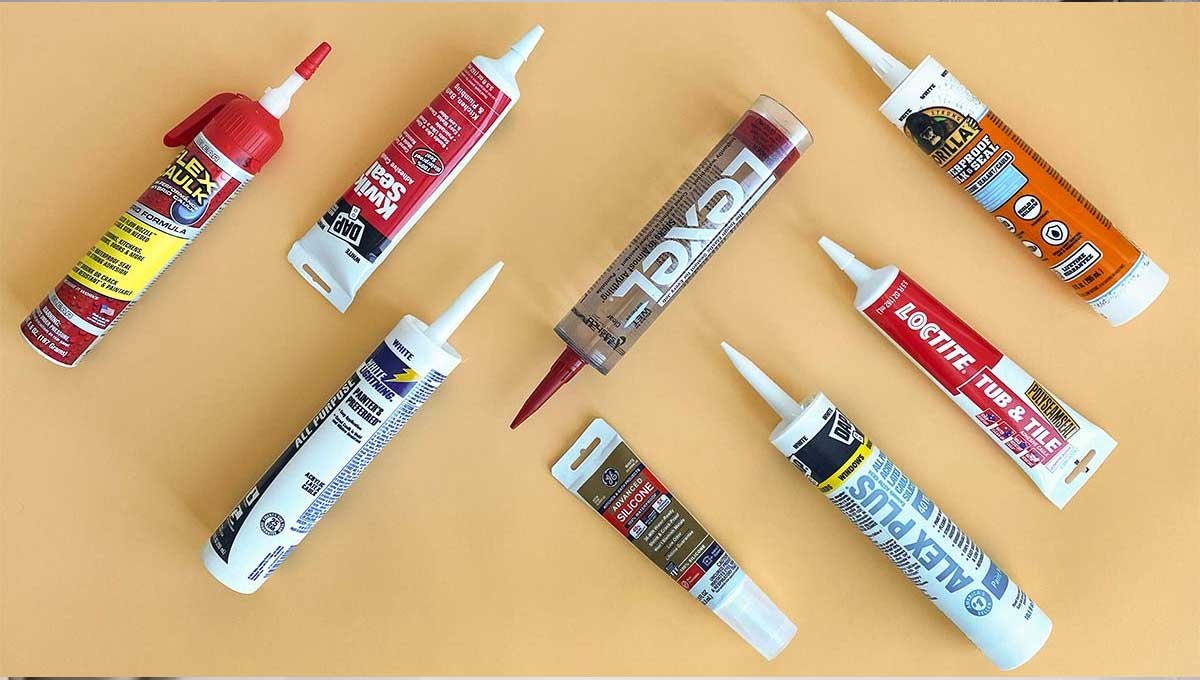
The best waterproof caulk for most showers, tubs, and sink seams is a 100% silicone kitchen-and-bath sealant. For most homeowners, GE Advanced Silicone 2 and Gorilla Waterproof Caulk & Seal are the safest first picks, adds Real Capital Group – Buffalo Specialists.
That answer changes the moment the joint needs paint, sits outside in sun, or bridges two materials that move differently. A tube can say waterproof and still be the wrong tube for your wall, trim, tile, or window frame.
Best Waterproof Caulk: The Quick Answer
For wet indoor seams, choose 100% silicone. For paintable exterior trim, choose a hybrid polymer or polyurethane sealant. For small interior gaps that only see occasional moisture, a good siliconized acrylic can be enough.
Here is the short version I would actually use in a store aisle, with one hand on a cart and the old cracked bead still annoying me at home.
| Job | Best caulk type | Good product direction | Big caveat |
|---|---|---|---|
| Shower, tub, sink, tile joint | 100% silicone kitchen-and-bath sealant | GE Advanced Silicone 2, Gorilla Waterproof Caulk & Seal | Usually not paintable |
| Kitchen backsplash near water | Silicone or hybrid kitchen-and-bath sealant | DAP AMP kitchen and bath, GE silicone | Match the product to paint or no paint |
| Exterior trim, siding gaps, window frames | Hybrid polymer or polyurethane sealant | OSI Quad Max, Sashco Lexel, similar exterior-rated sealants | Check UV, paintability, and substrate compatibility |
| Interior baseboard or molding gap | Paintable acrylic latex or siliconized acrylic | Painter’s caulk from DAP, GE, or similar brands | Not for standing water |
| Wet repair where the surface cannot get fully dry | Specialty sealant rated for damp surfaces | Lexel-style clear elastic sealant | More flexible and sticky, less tidy to tool |
The phrase best waterproof caulk sounds like one winner should exist. It does not. The better question is where the joint lives, whether it needs paint, and how much movement it will see.
The Best Waterproof Caulk Picks by Job
The right pick depends on the surface and the water exposure. A shower seam is a different problem from exterior trim, even though both can leak and both look easy from six feet away.
For a shower or tub, start with 100% silicone labeled for kitchen and bath use. GE says its Advanced Silicone 2 Kitchen & Bath Sealant is water-ready in about 30 minutes and designed for a permanently waterproof seal, which is exactly the claim you want around a tub flange, tile corner, or sink rim.
Best Overall for Showers and Tubs: GE Advanced Silicone 2
GE Advanced Silicone 2 is the most sensible top pick for a shower because it is a dedicated kitchen-and-bath silicone, not a general painter’s caulk pretending to survive daily water. It is the tube to grab when the joint will be wet often and you do not need to paint over it.
The practical advantage is speed: the brand’s 30-minute water-ready claim helps when a bathroom cannot stay out of service all day. Full cure still matters, so do not confuse water-ready with permission to scrub, stretch, or soak the bead right away.
Silicone has a slightly rubbery feel when tooled correctly, almost like a narrow gasket. That texture is the point; it flexes as the tub, wall, and tile move in tiny ways you only notice when the old bead splits.
Best Easy All-Purpose Silicone: Gorilla Waterproof Caulk & Seal
Gorilla Waterproof Caulk & Seal is another strong choice for bathrooms, kitchens, windows, doors, plumbing fixtures, and trim where a silicone seal makes sense. The official Gorilla product page describes it as a 100% silicone sealant that is ready for water exposure in about 30 minutes.
I like it most for simple jobs where you want one recognizable tube and fewer decisions: around a sink, along a backsplash, or at a small window seam that does not need paint. It is not magic. If old caulk residue is still smeared on the surface, even a strong silicone can peel in strips.
Best Paintable Wet-Area Option: DAP AMP
DAP AMP is a better direction when the bead needs to be waterproof and paintable. That combination matters around backsplashes, painted trim near a sink, laundry rooms, and some window-adjacent repairs where bare silicone would leave a shiny line you can never cover cleanly.
This is where many people buy the wrong product. Clear silicone looks like the serious choice, then the wall repair stalls because paint beads up on it or flakes later.
Best Exterior Direction: Hybrid Polymer or Polyurethane Sealant
For exterior trim, siding gaps, and window frames, the best waterproof caulk is usually not the same tube you use in the shower. Exterior joints deal with UV exposure, temperature swings, expansion, dust, and paint, so hybrid polymer or polyurethane sealants often make more sense.
The U.S. Department of Energy’s Energy Saver guidance says caulk is used for cracks and openings between stationary house components, while weatherstripping is used for components that move, such as doors and operable windows. That distinction is useful because it keeps you from caulking a moving joint that should have a gasket, sweep, or weatherstrip instead.
For gaps around fixed exterior trim, look at products like OSI Quad Max, Sashco Lexel, or other exterior-rated hybrid sealants. They tend to handle movement and weather better than cheap acrylic caulk, and many can be painted after the specified cure window.
Silicone, Hybrid, Polyurethane, or Acrylic: What Actually Changes
Caulk chemistry changes adhesion, flexibility, paintability, smell, cleanup, cure time, and long-term water resistance. The label matters, but the material class usually tells you more than the marketing phrase on the front.
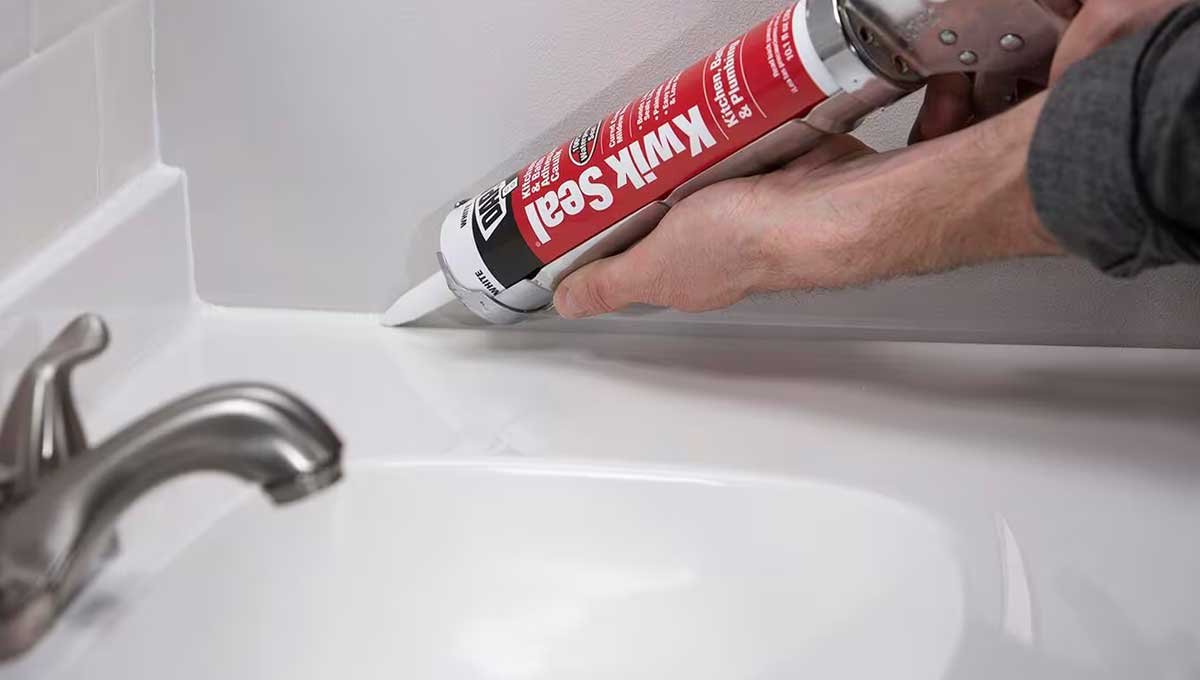
The messy part is that every category has exceptions. Still, this breakdown prevents most expensive little failures.
| Type | Where it shines | Paintable? | Cleanup | Common mistake |
|---|---|---|---|---|
| 100% silicone | Showers, tubs, sinks, glass, tile, plumbing fixtures | Usually no | Solvent or careful wipe before cure | Using it where paint is required |
| Hybrid polymer | Exterior trim, wet-area repairs, mixed materials | Often yes, but check label | Varies by formula | Assuming it tools like cheap latex |
| Polyurethane | Concrete, masonry, exterior expansion-prone joints | Often yes | Messier than acrylic | Using too small a bead in a moving gap |
| Siliconized acrylic | Interior trim, small painted gaps, light moisture | Yes | Water before cure | Putting it inside a shower |
| Acrylic latex painter’s caulk | Dry interior trim and wall seams | Yes | Water before cure | Trusting it with standing water |
If the joint is inside a shower enclosure, silicone wins because it forms a flexible waterproof seal that tolerates repeated wetting. If the joint is on painted exterior trim, a paintable hybrid or polyurethane often wins because the repair has to disappear visually and survive weather.
Not always.
A clear hybrid sealant can be useful in damp or awkward repairs where the surface will not dry perfectly. It may be stringier than silicone and less pleasant to tool, but sometimes that clingy texture is exactly why it stays put.
Choose by Surface, Paint, and Movement Before You Open the Tube
Pick caulk by water exposure, surface material, movement, and paint. If you decide only by the largest waterproof claim on the package, you are guessing.
Stand in front of the joint for 30 seconds before cutting the nozzle. That pause saves more jobs than any clever bead technique.
Check the Water Exposure
Daily direct water needs a stronger seal than occasional humidity. A tub seam gets splashed, soaked, cleaned, and flexed; a kitchen counter seam may only see wipe-down water and steam.
For the shower, choose silicone. For a backsplash that will be painted, a hybrid kitchen-and-bath sealant may be better. For interior trim in a dry room, painter’s caulk is fine and easier to make pretty.
Check the Surface Material
Tile, porcelain, glass, metal, PVC, wood, masonry, and painted drywall do not grab caulk the same way. A product that bonds beautifully to tile may be a poor choice for a chalky painted exterior board.
Read the substrate list on the tube. Boring advice, yes. Still the difference between a bead that lasts and one that lifts by week three.
Check Paintability Before Anything Else
If the bead needs paint, do not buy ordinary 100% silicone unless the label specifically says paintable. Paint failure on silicone is not subtle; it beads, crawls, or peels, and the repair ends up looking worse than the crack.
This is the most common wrong-turn with the best waterproof caulk question. People choose maximum water resistance, then discover the joint also needed to match the wall.
Check Whether the Joint Moves
A moving joint needs flexibility and the right bead shape. Exterior trim, tub edges, concrete cracks, and mixed-material seams expand and contract as temperature and moisture change.
For wide exterior gaps, use backer rod where the sealant maker recommends it. A thick wad of caulk stuffed into a deep gap can cure poorly and tear because it is bonded on too many sides.
Application Mistakes That Make Good Caulk Fail
Most waterproof caulk failures are caused by prep and cure mistakes, not by a bad brand. Old residue, damp dust, soap film, and rushed water exposure can ruin a premium tube.
There is a specific little defeat in seeing a brand-new bead peel up like a rubber band. It usually means the surface was never clean enough for the chemistry to do its job.
Remove Old Caulk Completely
New caulk should bond to the actual surface, not to a tired film of old silicone. Cut out the old bead, scrape residue, and use the cleaner recommended for the surface before resealing.
In showers, soap film is the quiet enemy. The seam can look clean and still feel slightly slick under a fingertip.
Dry the Joint Longer Than Feels Necessary
A waterproof sealant still needs the right surface condition at application. Some specialty products tolerate damp surfaces, but most shower and bath silicones want a clean, dry joint before the bead goes down.
If the old seam leaked, moisture may be hiding behind it. Give the joint time, especially around tubs and shower bases where water can sit in the corner.
Cut a Smaller Nozzle Than You Think
A small, controlled bead is easier to tool and less likely to smear across tile or trim. You can always add a little more, but removing excess silicone from a textured surface is punishment.
Sound familiar? The bead looked neat for six inches, then the nozzle angle changed and the corner became a shiny mess.
Tool the Bead Once, Then Stop
Tooling presses the sealant into the joint and shapes the surface so water sheds instead of sitting in ridges. Over-tooling drags the bead thin and leaves weak edges.
Use steady pressure, wipe the tool often, and stop when the joint is sealed. That last perfection pass is where many beads go sideways.
Respect Water-Ready Time and Full Cure
Water-ready time tells you when light water exposure is allowed. Full cure tells you when the sealant has finished developing its intended properties, and that window can be longer.
GE and Gorilla both market 30-minute water-ready silicone products, but the bead still deserves gentle treatment while it cures. Do the repair when the shower can sit, not ten minutes before everyone needs it.
Best Waterproof Caulk Buying Checklist
A good buying checklist prevents the classic mistake: choosing a famous tube that solves the wrong problem. Match the claim to the joint before comparing brands.
Use this checklist when the shelf has too many nearly identical tubes.
- Location: indoor wet area, exterior weather joint, dry interior trim, masonry, or window/door frame.
- Water exposure: daily direct water, occasional splash, humidity only, or rain.
- Paint: must be paintable, must stay clear, or hidden enough that appearance is secondary.
- Material: tile, porcelain, glass, metal, wood, vinyl, concrete, masonry, painted surface, or mixed materials.
- Movement: fixed seam, slight movement, or expansion-prone exterior gap.
- Cure window: how long the area can stay dry and untouched.
- Mold resistance: useful in bathrooms, but not a substitute for ventilation and cleaning.
For most bathroom work, the answer is still simple: 100% silicone kitchen-and-bath sealant. For most exterior painted trim, choose a paintable exterior sealant instead.
FAQ
What is the best waterproof caulk for a shower?
The best waterproof caulk for a shower is usually 100% silicone kitchen-and-bath sealant. It handles direct water, bonds well to tile and porcelain, and stays flexible after curing.
GE Advanced Silicone 2 and Gorilla Waterproof Caulk & Seal are both practical mainstream choices. Pick white for white fixtures and clear only when you truly want the joint to disappear.
Is silicone caulk better than acrylic caulk?
Silicone caulk is better for direct water, while acrylic caulk is better for paintable dry interior gaps. Neither one is best everywhere.
Use silicone for showers, tubs, sinks, and fixtures. Use acrylic or siliconized acrylic for baseboards, molding, and wall seams that need paint and do not face standing water.
Can you paint over waterproof caulk?
You can paint over some waterproof caulks, but ordinary 100% silicone is usually not paintable. The label has to say paintable, not just waterproof.
For painted exterior trim, choose a hybrid polymer, polyurethane, or paintable acrylic sealant rated for the location. Testing a tiny hidden bead is a cheap insurance policy.
What caulk should I use outside?
Use an exterior-rated hybrid polymer, polyurethane, or high-quality exterior sealant outside. The product should match the surface, tolerate weather, and allow paint if the joint is visible.
The U.S. Department of Energy recommends caulking stationary cracks and gaps as part of home air sealing. Do not caulk moving door or window parts that should have weatherstripping.
Why does waterproof caulk peel?
Waterproof caulk peels when it bonds to residue, dust, moisture, soap film, or the wrong surface. It can also fail when the joint moves more than the sealant can stretch.
Remove old caulk completely, clean the surface, dry the joint, and use the right chemistry. The prep takes longer than the bead, which is annoying and usually true.
How long before waterproof caulk can get wet?
Some waterproof silicone caulks are water-ready in about 30 minutes, but full cure can take longer. Always follow the specific tube’s label.
Water-ready means the bead can handle limited water exposure. It does not mean the repair is ready for aggressive cleaning, deep soaking, or mechanical stress.
Final Verdict
The best waterproof caulk is GE Advanced Silicone 2 or Gorilla Waterproof Caulk & Seal for most showers, tubs, and sink seams. For exterior painted joints, choose a paintable hybrid or polyurethane sealant instead.
The tube matters, but the decision before the tube matters more. Water, paint, surface, movement, cure time: get those five right and the bead has a real chance to last.