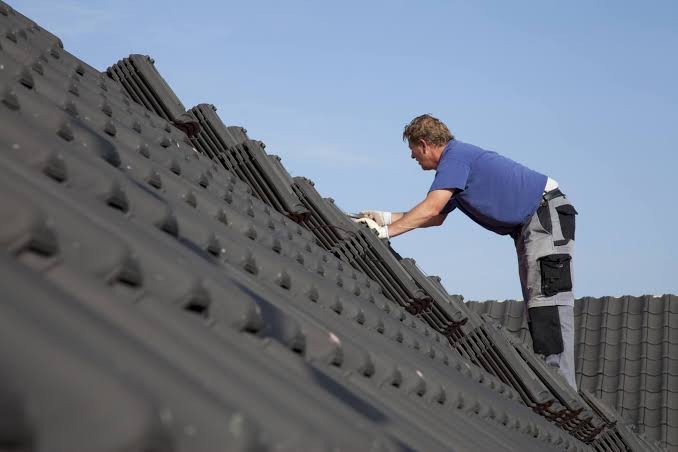
A roof inspection costs between $150 and $400 on average. A roof replacement runs $9,000 to $15,000. The math is not complicated, yet homeowners routinely skip inspections until water is dripping through the ceiling. By then, what started as a few cracked shingles has become rotted decking, mold in the attic insulation, and a five-figure repair bill.
The inspection itself is straightforward. But the decisions around it — which material holds up best under your climate, whether to hire a drone operator or a boots-on-the-roof inspector, whether that “free inspection” from the roofing company is actually free — are where things get murky. Different roofing materials fail in different ways, and an inspection that works for asphalt shingles might miss serious problems on a metal or tile roof.
“New home purchase, inspector missed obvious roof and siding issues. Is there any recourse? We closed three weeks ago and now we’re finding missing shingles and water stains the general inspector never flagged.”
— r/HomeImprovement, July 2026 (3 upvotes, 36 comments), source
General home inspectors are not roof specialists. They walk the roof if it is safe to do so, take photos, note visible damage. They do not perform the level of inspection a dedicated roofing contractor or certified roof inspector would. If roof condition is a dealbreaker on a home purchase, an independent roof inspection — separate from the general home inspection — is the cheapest insurance you will ever buy. Sound familiar, the general inspection report that says “roof appears serviceable” with no photos and no attic access?
What a Roof Inspection Actually Covers
A proper roof inspection examines four zones: the exterior roof surface, the roof structure from inside the attic, the flashing and penetration points, and the gutter and drainage system. Each zone tells a different part of the story.
On the surface, the inspector checks for missing, cracked, curling, or blistered shingles; loose or exposed nails; granule loss (the sand-like coating on asphalt shingles that protects against UV); and any sagging or uneven roof planes. For metal roofs, they look for loose fasteners, rust, and seam separation. Tile roofs get checked for cracks, shifted tiles, and degraded underlayment visible at the eaves.
Inside the attic, the inspection focuses on the underside of the roof deck. Dark stains indicate past or active leaks. Daylight visible through the roof boards means holes. Sagging decking between rafters suggests the sheathing has absorbed moisture and lost structural integrity. The inspector also checks for adequate ventilation — soffit vents, ridge vents, or gable vents, because trapped attic heat and moisture can destroy a roof from the inside out, cutting shingle lifespan by 30% or more.
Flashings, the metal strips where the roof meets a chimney, vent pipe, skylight, or wall, are the most common leak point on any roof. Per the National Roofing Contractors Association (NRCA) (2024) data, roughly 90% of roof leaks originate at flashing points, not in the open field of shingles. Cracked sealant, rusted metal, or flashing that has pulled away from the surface needs repair before it lets water in.
According to the EPA, reflective roofing materials can reduce peak cooling demand by 11–27% in air-conditioned homes, a factor inspectors increasingly flag during assessments, especially in warm climates where energy efficiency directly impacts homeowner costs.
| Inspection Zone | What Is Checked | Common Failure Signs |
| Exterior surface | Shingles, tiles, metal panels, granules | Cracking, curling, missing pieces, bare spots |
| Attic / underside | Decking, rafters, insulation, ventilation | Dark stains, daylight, sagging, mold |
| Flashings & penetrations | Chimney, vents, skylights, walls | Cracked sealant, rust, separation gaps |
| Gutters & drainage | Gutter alignment, downspouts, debris | Granule buildup, standing water, sagging |
How Different Roofing Materials Hold Up Under Inspection
Not all roofs fail the same way. A 30-year architectural asphalt shingle deteriorates differently from a 50-year standing-seam metal roof, and an inspector who only knows shingles may misread tile or metal. Understanding the material on your roof changes what you pay attention to during an inspection.
Asphalt Shingles, Most Common, Most Inspected
Asphalt shingles cover roughly 80% of U.S. homes. Three-tab shingles are the budget option, rated for 15 to 20 years. Architectural (dimensional) shingles last 25 to 30 years and resist wind better because of their thicker, laminated construction. During inspection, the telltale sign of aging is granule loss, if you see bare black patches where the asphalt substrate is exposed, UV degradation has begun and the clock is ticking. Curling at the edges or corners means the shingle has dried out and lost flexibility. Both conditions mean the roof is in its final 2 to 4 years regardless of what the warranty says.
Metal Roofing, Long-Lived but Not Maintenance-Free
Standing-seam metal roofs can last 40 to 60 years. Corrugated metal panels are cheaper but have exposed fasteners that need re-tightening and gasket replacement roughly every 10 to 15 years. During an inspection, loose or backed-out screws are the top issue. Also checked: seam separation on standing-seam panels, rust at cut edges or scratches, and oil-canning (visible waviness in flat panels that indicates thermal expansion stress). Metal roofs shed snow and ice efficiently, but the snow load can bend improperly supported panels. An inspector should confirm the roof deck below is adequate for the panel gauge and span.
Clay and Concrete Tile, Heavy and Brittle
Tile roofs can outlast the building if installed correctly. But they are fragile under foot traffic. An inspector walking a tile roof without using proper foam pads or walking boards can crack tiles that were perfectly fine before the inspection. The inspection itself becomes the damage event. The key failure mode on tile is not the tile itself but the underlayment beneath it, a waterproof membrane that degrades after 20 to 30 years while the tiles above still look pristine. A visual inspection from the ground or a drone cannot assess underlayment condition. This is why tile roof inspections often require the inspector to lift a few tiles at the eaves to check what is underneath.
Slate, The Century Roof That Few Inspectors Know Well
Natural slate can last 75 to 200 years. The weak point is the fasteners, old iron nails rust and snap, causing individual slates to slide out of place. A slate roof inspection focuses on missing or delaminated slates, failed flashings (which age faster than the slate itself), and the condition of the underlying felt. Many general inspectors lack specific slate training. If your home has a slate roof, hire an inspector who works on slate regularly, not someone who has seen three slate roofs in their career.
Wood Shakes and Shingles, High Maintenance, High Risk
Cedar shakes and shingles have a natural look but require more maintenance than any other roofing material. They split, curl, and accumulate moss in damp climates. An inspection looks for rot at the butt ends, splitting from freeze-thaw cycles, and moss growth that traps moisture against the wood. In wildfire-prone areas, untreated wood roofing may be prohibited by local building codes, an inspector should flag this if the roof predates current fire regulations.
| Material | Typical Lifespan | Cost per Square (100 sq ft) | Top Inspection Concern |
| 3-Tab Asphalt | 15–20 years | $100–$150 | Granule loss, curling |
| Architectural Asphalt | 25–30 years | $150–$250 | Wind damage, nail pops |
| Standing-Seam Metal | 40–60 years | $400–$700 | Loose fasteners, seam gaps |
| Clay / Concrete Tile | 50–100 years | $600–$1,200 | Underlayment decay, cracked tiles |
| Natural Slate | 75–200 years | $800–$1,600 | Nail rust, delamination |
| Cedar Shake | 20–30 years | $400–$700 | Rot, moss, splitting |
Roof Inspection Methods, Drone, Manual, and Infrared Compared
Four inspection methods dominate the roofing industry, manual boots-on-roof, drone-based imaging, infrared thermal scanning, and ground-level binocular checks. Each method catches different problems, and choosing the wrong one for your roof type can mean missing damage that costs thousands later. The method matters almost as much as the inspector.
Manual (boots on roof). The gold standard. The inspector physically walks the roof, touches the materials, lifts shingles to check sealant strips, presses on soft spots, and examines flashings at close range. This method catches the most problems. It also requires a roof that is safe to walk, steep pitches above 8:12 and fragile materials like tile or slate make physical access dangerous. A skilled inspector uses a harness and ridge hook on steep roofs, but many will decline and recommend an alternative method.
Drone inspection. Increasingly common and genuinely useful for roofs that cannot be safely walked. A good drone operator with a high-resolution camera and thermal sensor can spot missing shingles, hail damage, pooled water, and heat anomalies that suggest trapped moisture. The catch: a drone cannot touch anything. It cannot test whether a shingle seal is still holding, whether flashing is loose to the touch, or whether a soft spot in the decking gives under pressure. Drone inspections work best as a screening tool followed by targeted manual inspection of flagged areas.
Infrared (thermal imaging). Used primarily to detect moisture trapped in the roof system. Wet insulation and decking retain heat differently than dry material, so an infrared camera scan, done at the right time of day when the roof is cooling down, can reveal hidden leaks that have not yet stained the ceiling. This method is standard for commercial flat-roof inspections and is gaining traction in residential work, especially after storms when homeowners want to confirm water intrusion before filing insurance claims.
Ground-level / binocular inspection. The most limited option. From the ground, an inspector can see obvious missing shingles, sagging ridges, and damaged gutters. They cannot assess granule condition, sealant integrity, flashing detail, or subtle decking issues. A ground inspection alone is not sufficient for a home purchase, an insurance claim, or a roof nearing the end of its expected lifespan.
“What’s involved in a roofing inspection? I had a company come out after a storm and the guy never even got on a ladder. Just walked around with binoculars for five minutes and said I needed a full replacement.”
— r/Roofing, January 2023 (3 upvotes, 9 comments), source
A ground-only inspection that recommends full replacement should make you suspicious. Get a second opinion from an inspector who actually gets on the roof.
DIY vs. Professional Inspection, Where the Line Is
Why hire a pro when you own a ladder and a flashlight? You can do a visual check from a ladder once or twice a year. Look for obvious missing shingles, check the gutters for excessive granule buildup (which looks like coarse black sand), and scan the attic for stains after heavy rain. That kind of DIY monitoring catches big, obvious problems early. What it does not catch: hairline cracks in flashing sealant, early-stage hail damage that has not yet caused leaks, delamination inside composite shingles, and ventilation deficiencies that are slowly cooking the roof deck.
Any time the roof is involved in a financial transaction, buying a home, selling a home, filing an insurance claim, or deciding whether to replace or repair, a professional inspection pays for itself. The cost of an inspection ($150–$400) is less than the insurance deductible on most roof claims ($1,000–$2,500). If the inspection finds damage that insurance should cover, the inspection cost disappears into the claim. If it confirms the roof is fine, you just bought peace of mind for the price of a moderate dinner out.
When to Get an Inspection and What It Costs
The standard recommendation is every 2 to 3 years for roofs over 10 years old, plus after any major storm with hail or winds above 60 mph. But the real trigger events that justify an immediate inspection are narrower:
- You are buying or selling a home and the general inspection noted roof concerns.
- A storm passed through with hail, even small hail can cause granule loss that shortens a shingle roof’s life by years without leaving obvious holes.
- Your energy bills spiked without explanation, which can signal ventilation failure or insulation compromised by roof leaks.
- The roof is within 5 years of its rated lifespan and you want to plan the replacement on your timeline, not the roof’s.
- You saw a ceiling stain. Even a small one. Water travels laterally before it drips, so the leak source may be 10 feet from the stain.
Cost varies by region and inspection depth. A basic visual inspection from a local roofing contractor runs $0 to $200, many offer free inspections hoping to sell you a roof, which creates an obvious conflict of interest. An independent certified roof inspector charges $200 to $400 for a comprehensive assessment that includes attic access, moisture readings, and a written report with photos. Infrared thermal scans add $100 to $200. Drone-only inspections from specialized services run $150 to $300. For a home purchase, the $300 to $500 total is a rounding error on a transaction where roof replacement can knock $10,000 off the sale price. In coastal Florida or California, add roughly 20% to these numbers. In the Midwest and Southeast, the lower end of each range is more typical.
Why does a two-hour visual check cost what it does? The answer is liability. When an inspector certifies a roof as sound, they are staking their license and insurance on that call. Miss a soft spot in the decking and someone steps through it next month, and the inspector’s errors-and-omissions policy is on the hook. You are paying for the inspection, but you are also paying for the risk the inspector takes by signing the report.
Red Flags That Signal an Immediate Problem
Most roof problems develop slowly, a loose shingle here, a hairline flashing crack there, and can wait weeks for a scheduled inspection without consequences. But five specific warning signs demand immediate attention because every day of delay makes the repair more expensive and the damage more extensive. Here is what cannot wait.
Daylight visible through the roof boards in the attic. If light gets through, water gets through. This is not a maintenance item. This is an active leak waiting for the next rain.
Sagging roof planes. A roof should be one flat plane or a clean ridge line. Any dip, wave, or sag means the decking or supporting structure has failed. You are looking at structural repair, not just new shingles.
Granules filling the gutters or downspout splash blocks. Some granule loss is normal on a new roof. A thick layer of granules, enough that you can scoop it with your hand, means the shingles are at end of life. The protective UV layer is gone. The asphalt below will crack within months.
Moss or algae covering more than 20% of the roof surface. Moss holds water against the shingle surface constantly. On asphalt, it lifts the granules. On wood, it rots the material. It also indicates chronic shade and moisture, the underlying conditions that shorten every roof material’s lifespan.
Water stains on bathroom vent fans or around ceiling light fixtures. These fixtures penetrate the ceiling and often sit directly below roof penetrations. A stain here means the flashing or seal around the roof penetration above has failed.
Frequently Asked Questions
Are “free roof inspections” from roofing companies legitimate?
They are legitimate in the sense that a real person will look at your roof. The catch is that the person is a sales representative whose income depends on selling you a roof. A 2024 survey by the Better Business Bureau found that storm-chasing roofing contractors were among the top five most-complained-about home service categories, with “unnecessary replacement recommended” as the leading complaint. Free inspections are useful when you already suspect damage and want a quote. They are not a substitute for an independent assessment by a certified inspector who has no financial stake in the outcome.
How long does a roof inspection take?
A thorough inspection takes 45 to 90 minutes for a standard single-family home. The inspector needs time to walk the roof surface, access the attic, examine flashings at every penetration point, check gutters, take photos, and write notes. If the inspection takes 15 minutes and never leaves the driveway, you got a sales pitch, not an inspection.
Do I need a roof inspection after every storm?
No. Hail smaller than 1 inch in diameter rarely damages a roof in good condition. Wind below 60 mph does not typically dislodge properly installed shingles. The threshold for a warranted inspection is hail of 1 inch or larger, or wind gusts recorded at 60 mph or above in your area. If you are unsure whether a storm crossed that threshold, check your local National Weather Service storm reports, they track hail size and wind speeds by ZIP code, and that data is free.
Will my homeowner’s insurance cover the cost of an inspection?
Generally not. Insurance covers damage, not the detection of damage. However, if the inspection finds storm-related damage and you file a claim, the inspection cost may be reimbursable as part of the claim if your adjuster accepts the inspector’s report. Some insurers also offer free inspections through their own adjusters after major regional storms. Call your agent and ask before you pay out of pocket.
Does the roofing material change how often I need an inspection?
Yes. Asphalt shingle roofs should be inspected every 1 to 2 years after age 10. Metal roofs can go 3 to 5 years between inspections but should be checked after any hailstorm regardless of age, hail dents metal panels even when it does not puncture them, and dented panels are an insurance-eligible claim. Tile roofs need inspection after any event that could have shifted tiles, including earthquakes and severe wind, because a single cracked tile exposes the underlayment. Slate roofs should be inspected every 3 to 5 years by a slate specialist; the inspection interval matters less than the inspector’s qualification for the material.