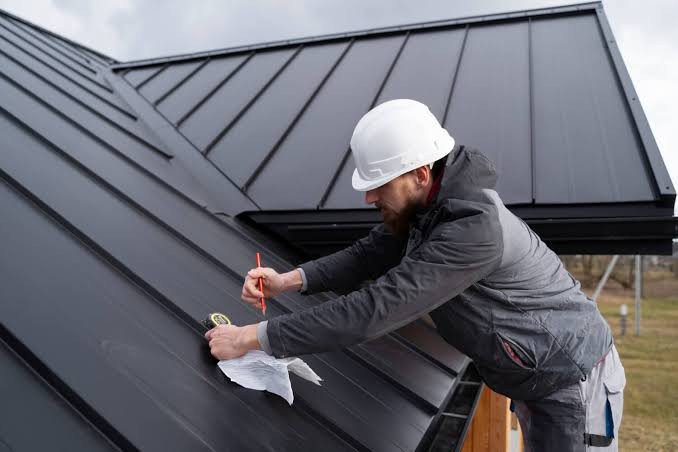
Avoiding common roof repair mistakes starts with knowing which errors cost the most, and they are rarely the ones homeowners expect. This guide covers seven common roof repair mistakes to avoid — each one tied to a specific dollar cost and a specific fix. The most expensive mistake is not climbing onto the roof without a harness. It is paying \$2,500 to patch a roof that needed a \$14,000 replacement, then paying for the replacement anyway eighteen months later, emphasizes Keyrenter St. Louis West team.
Every mistake on this list is something a real homeowner has done, and every one has a specific price tag attached. Some are DIY errors. Some are contractor errors that you pay for anyway because the warranty has fine print and the fine print does not cover incompetence.
Mistake 1: Repairing a Roof That Should Be Replaced
Patching an aging roof is the single most expensive mistake a homeowner can make, measured in dollars lost per year of service. A $3,000 structural repair on a 22-year-old roof that buys three more years of life costs $1,000 per year. A $14,000 replacement amortized over 25 years costs $560 per year. The repair looks cheaper on the invoice. The replacement is cheaper on the calendar.
Contractors will almost never tell you to replace instead of repair unless you ask directly. They assume — often correctly — that a homeowner calling about a leak wants the cheapest fix, not the best long-term value. The burden of asking the right question is on you: “If you were the owner of this house, would you repair or replace?” That framing changes the answer.
The math is not complicated. The hard part is accepting that you are writing a five-figure check today to avoid writing smaller checks every year. The homeowners who get this wrong are not stupid. They are optimistic about what a patch can accomplish.
Mistake 2: Using the Wrong Materials for the Job
Roofing materials are not interchangeable. Three-tab shingles on an architectural shingle roof create a visible step-down that channels water. Silicone caulk on a flashing joint degrades under UV within two summers and opens the leak back up. Galvanized nails in pressure-treated wood corrode from the chemical reaction between the zinc coating and the wood preservative and fail within five years.
The right materials for each repair scenario are not a matter of preference. They are a matter of chemistry and physics. The National Roofing Contractors Association (NRCA) publishes technical guidelines specifying fastener types, underlayment grades, and flashing materials for every common roof system. A contractor who cannot tell you which underlayment they are using — or why — is guessing.
The most common material shortcut: nailing through the old shingle instead of removing it first. A nail driven through two layers of shingles sits higher in the sealant strip and leaves a gap that capillary action turns into a water path. It takes ten extra seconds to remove the damaged shingle before installing the replacement. Skipping those ten seconds costs you a leak that reappears in six months.
Mistake 3: Bad Flashing Work, the Number One Leak Source
More roof leaks originate at flashing points, chimneys, skylights, vent pipes, valleys, than anywhere else on the roof. And more flashing repairs fail because of how they were installed than because of what material was used.
The most common flashing error is reusing old flashing during a repair. Metal flashing develops micro-cracks along bend lines after years of thermal expansion and contraction. To the naked eye, the old flashing looks fine. Under a rain load, water finds those invisible stress fractures and seeps through. Replacing flashing costs $200 to $600. Replacing the ceiling drywall the leak eventually destroys costs more than the flashing would have.
Step flashing, the L-shaped pieces that weave between shingles and a vertical wall, must be integrated into the shingle courses, not just nailed on top of them. Each piece of step flashing goes under the shingle above it and over the shingle below it. Installers in a hurry nail the flashing on top of the shingles and seal the nail heads. That works for about two years. Then the sealant fails and water runs behind the flashing instead of over it.
Mistake 4: Skipping the Permit and the Insurance Check
Most roof repairs do not require a building permit. The ones that do, structural repairs, decking replacement, anything exceeding 100 square feet in most jurisdictions, become a liability if the work is done without one. An unpermitted roof repair can block a home sale, void your insurance coverage for future claims on that section of the roof, and trigger fines from the building department if a neighbor reports the work.
The contractor’s insurance matters just as much as the permit. A roofer who carries liability insurance but not workers’ compensation is cheaper by design. If one of their crew falls off your roof and there is no workers’ comp policy, your homeowners insurance is the next payer in line. Ask to see both certificates. If the contractor hesitates for even a second, end the conversation.
Hiring the cheapest bid without verifying insurance is a mistake that does not show up on the roof. It shows up in your mailbox six months later as a demand letter from an attorney. The $800 you saved on the bid evaporates against a $15,000 injury claim.
Mistake 5: Nailing It Wrong, Literally
Roofing nails are not generic. The wrong nail in the wrong place at the wrong depth causes failures that look like material defects but are actually installation errors. The spec is precise: 11- or 12-gauge hot-dipped galvanized roofing nails, 1.25 inches long for new construction, driven flush with the shingle surface, not countersunk, not standing proud.
Overdriven nails punch through the shingle mat and create a water entry point. Underdriven nails leave the nail head exposed above the sealant strip, where the shingle above cannot bond to the shingle below. Both errors produce the same result: a shingle that lifts in the first strong wind and takes its neighbors with it.
Nail placement matters too. The nail must land in the nailing zone, the reinforced strip near the top of the shingle, not high-nailed above it and not low-nailed through the exposure area. High-nailing leaves too little shingle material above the fastener, and the shingle tears off under uplift. Low-nailing puts the fastener through the visible part of the shingle, which looks terrible and leaks immediately. A roofing nail gun set to the wrong depth can install a thousand incorrect nails in an afternoon. There is no undo button.
Mistake 6: Ignoring Ventilation While Fixing the Surface
A roof repair that fixes the leak but ignores the attic ventilation is a repair that will fail early. Poor ventilation traps heat and moisture in the attic, which cooks the shingles from underneath. Shingles rated for 25 years can fail in 12 when attic temperatures regularly exceed 150 degrees in summer. The visible damage, curling, cracking, granule loss, looks like age. The cause is insufficient airflow.
The fix is often simple: add ridge vents, soffit vents, or both so that cool air enters at the eaves and hot air exits at the ridge. If your roof repair already involves opening up a section of the decking, adding a vent at the same time costs $100 to $300 extra. Adding one later means cutting into a finished roof, which costs $500 to $1,200 for the same result.
Contractors who do not mention ventilation during a repair estimate are not necessarily dishonest. They are focused on the leak you called about, not the attic conditions that will create the next leak. That focus is understandable. It is also why you need to ask the question yourself.
Mistake 7: Power Washing and Other DIY Maintenance Errors
Power washing an asphalt shingle roof strips the protective granule layer off the surface. The immediate result is a roof that looks cleaner than it has in years. The long-term result is a roof with half its UV protection blasted off and a lifespan reduced by five to ten years. The black streaks on asphalt shingles are algae, and algae does not reduce roof performance. It just looks bad. Power washing trades a cosmetic problem for a structural one.
Walking on a tile or slate roof without foam walkboards or ladder hooks is another common maintenance error. A clay tile that supports a person’s weight for six steps can crack on the seventh, and the crack may not be visible from the ground. Water enters the hairline fracture, freezes, expands by 9%, and turns a hairline crack into a shattered tile within one winter. Every tile roof walk requires either the right equipment or the phone number of someone who has it.
Layering new shingles over old ones, a “roof-over”, saves the cost of tear-off and disposal. It also doubles the weight on the roof deck, hides any decking rot or damage underneath, and voids the manufacturer’s warranty on the new shingles. Most building codes allow one layer of shingle-over. Two is almost always a mistake, and three is a structural hazard. The $1,500 to $3,000 saved on tear-off is real money. It is also a calculated risk that has produced a lot of sagging rooflines.
Vetting a Contractor Before They Touch Your Roof
Ask for three things before you sign anything: a written estimate with line-item breakdown of materials, labor, and disposal costs; certificates of both liability insurance and workers’ compensation, current and in the contractor’s name; and three references from jobs completed within the last twelve months, not three years ago.
Call the references. Ask one specific question: “Did anything go wrong during the job, and if so, how did the contractor handle it?” Every roof job has surprises. What separates a good contractor from a bad one is not whether surprises happen. It is whether they are communicated honestly and fixed without a change order that doubles the price. Know anyone who learned that the hard way?
Check the contractor’s license status with your state’s licensing board. Most states have an online lookup tool that takes thirty seconds. A suspended or expired license is a non-negotiable dealbreaker regardless of how good the estimate looks.
Frequently Asked Questions
What is the most common roof repair mistake?
Repairing a roof that should be replaced is the most financially damaging mistake. A major repair on a roof past 80% of its expected lifespan costs more per year than a full replacement, and the temporary fix delays the inevitable while the underlying roof continues to degrade around the patched area.
Can I use any type of nail for roof repair?
No. Roofing requires 11- or 12-gauge hot-dipped galvanized nails, 1.25 inches long, driven flush with the shingle surface. Electro-galvanized nails, roofing staples, or common construction nails corrode faster and do not meet manufacturer specifications. Using the wrong fastener voids the shingle warranty.
Is it safe to power wash my roof?
No. Power washing strips the ceramic granules off asphalt shingles, removing their UV protection and cutting the roof’s lifespan by five to ten years. For algae stains, use a low-pressure spray application of a 50/50 bleach and water solution, applied with a garden sprayer, not a pressure washer.
Do I need a permit for a roof repair?
Most small repairs, replacing a few shingles, resealing flashing, do not require a permit. Repairs involving structural work, decking replacement, or areas exceeding 100 square feet typically do. Check with your local building department. The cost of an unpermitted repair catching up with you during a home sale far exceeds the cost of the permit.
How can I tell if my contractor did the job wrong?
Look for overdriven or underdriven nail heads visible on the shingle surface, flashing nailed on top of shingles instead of woven between courses, mismatched shingle types or colors, and sealant that is cracking or pulling away from metal surfaces within the first year. If you see any of these, get a second opinion from a different contractor before the warranty expires.
Can I layer new shingles over old ones instead of tearing off?
Most building codes allow one layer of shingle-over on an existing single-layer roof. Two layers total is the limit in nearly every jurisdiction. Layering hides decking rot, doubles the roof weight, and voids manufacturer warranties on the new shingles. The money saved on tear-off is rarely worth the risk of hidden damage accelerating beneath a roof you cannot inspect.
The Mistake That Summarizes All the Others
The common thread through every roof repair mistake is the same: treating the roof like a surface when it is a system. The shingles, the flashing, the underlayment, the ventilation, the fasteners, they all have to work together. Fix one component wrong and the others pay the price.
Hire someone who understands the system. Verify that they do before they pick up a hammer. The roof will tell you whether you chose right. It just takes about two years to deliver the answer.