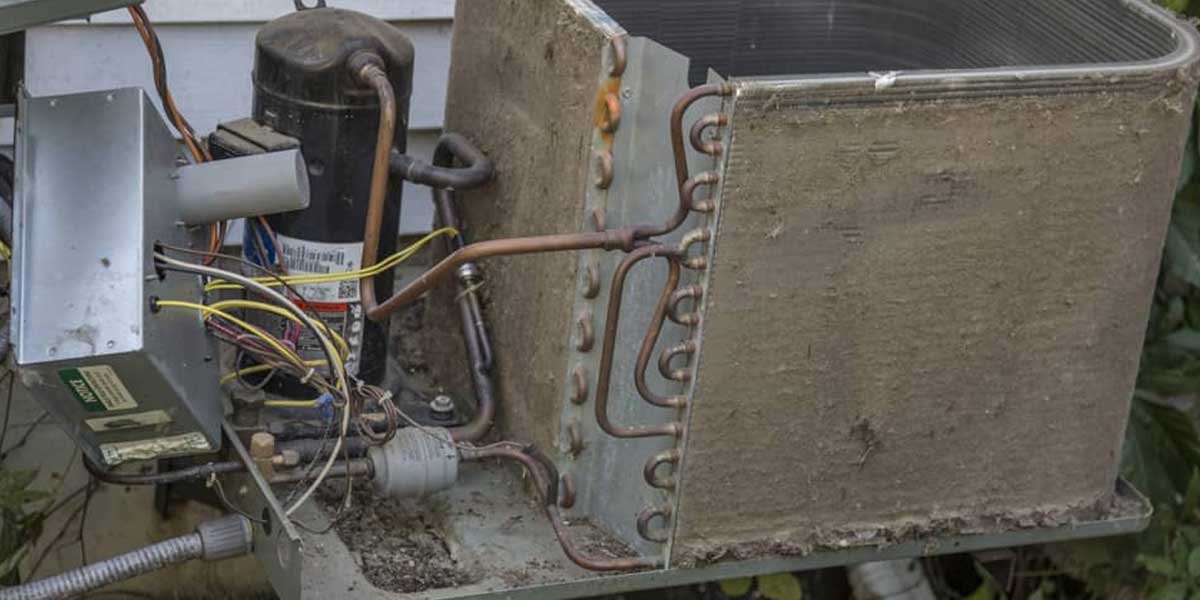
You turn on your air conditioner expecting a blast of cool, refreshing air, but instead, you are hit with an odor that smells like a damp basement or a gym locker room. This is one of the most common HVAC complaints, especially during the first few weeks of summer or when switching between heating and cooling in the shoulder seasons, notes Legacy Realty & Management experts.
Before you start taking things apart, you need to confirm that the smell is actually musty and not something more dangerous. Different odors mean very different things in an HVAC system.
The AC Smell Triage Matrix: Is It an Emergency?
If you are asking “why does my ac smell musty,” you are likely dealing with a nuisance rather than an emergency. However, if the smell is closer to burning plastic or exhaust fumes, you need to act immediately. Use this quick-reference table to diagnose the odor:
| What It Smells Like | Likely Cause | What You Should Do |
|---|---|---|
| Musty, damp, or like dirty socks | Mold, mildew, or bacteria on the coil or in the drain pan. | Safe to run temporarily, but needs cleaning. Follow the DIY steps below. |
| Burning plastic or electrical fire | Overheating motor, failing capacitor, or frayed wiring. | Turn off immediately. Call an HVAC professional or the fire department if you see smoke. |
| Exhaust fumes or chemicals | Fluid leaking into the motor or a cracked heat exchanger (if running heat). | Turn off immediately. Open windows and call a professional. |
| Rotten eggs or sulfur | Natural gas leak (if you have a gas furnace attached to the AC). | Evacuate the house immediately. Call your gas company from outside. |
| Garbage or rotting meat | A small animal has died inside the ductwork or the outdoor unit. | Turn off the unit and call a professional to locate and remove it. |
If you have confirmed that the odor is definitely a damp, musty smell, you can proceed with diagnosing the source.
The Main Culprit: “Dirty Sock Syndrome”
When homeowners ask “why does my ac smell musty,” the answer is very often a condition the HVAC industry calls “Dirty Sock Syndrome.” It smells exactly like it sounds: a stale, damp odor reminiscent of unwashed gym clothes.
This happens because the evaporator coil inside your indoor unit gets very cold during operation. As warm, humid air from your house blows over this cold coil, condensation forms. This is normal — it is how your AC removes humidity from the air. However, if dust and organic matter bypass your air filter and stick to the wet coil, it creates a perfect breeding ground for bacteria and mold.
When the AC cycles off, the coil warms up in the dark, damp cabinet. The bacteria multiply. When the AC kicks back on, it blows the smell of that bacterial colony straight into your living room.
Why Does My New AC Smell Musty? (Or After a Cleaning)
One of the most frustrating situations is dealing with a musty smell in a brand-new home or right after a professional coil cleaning. You might assume the coil is clean, but the smell persists.
“We did recently have AC guy out for a checkup and tuneup and explained it to them and they do believe it’s dirty sock syndrome but were surprised about it because the insides were all clean. Only thing they could recommend is one of these UV things that attaches to the unit…”— u/nkeb42, r/hvacadvice (source)
If your AC smells musty even when the coil looks spotless, it is because the bacteria causing the odor are microscopic. They can embed themselves deep within the aluminum fins of the coil where standard foam cleaners cannot reach. In these cases, surface cleaning is not enough. You need a solution that actively kills the bacteria on a continuous basis, which is why professionals often recommend installing a UV germicidal light inside the coil cabinet.
“The bacteria isn’t always visible it can be deep into the coil fins and be on a microscopic level I’d start with UV germicidal light.”— r/hvacadvice user (source)
DIY Fixes: What You Can Do Today
Before you pay for a service call, there are three things you can do right now to try and eliminate the reason your AC smells musty. These steps solve the problem about half the time.
1. Change Your Air Filter Immediately
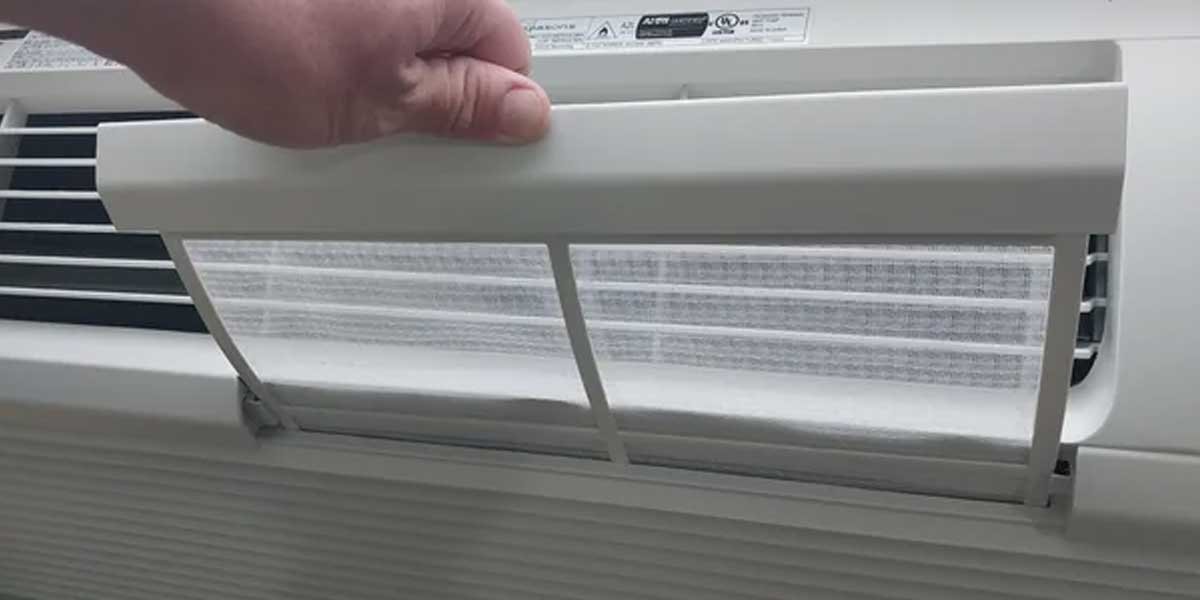
A dirty air filter is the easiest problem to fix. If your filter is clogged with dust, pet dander, and debris, it restricts airflow. Reduced airflow means the evaporator coil stays colder and wetter than it should, and the filter itself can become damp and start growing mildew.
Pull your filter out and inspect it. If it is gray, brown, or you cannot see light through it, throw it away. Replace it with a new pleated filter (MERV 8 to 11 is ideal for most homes). If the filter feels damp to the touch, that is a major red flag that moisture is not draining properly.
2. Clear the Condensate Drain Line
All that condensation dripping off the evaporator coil has to go somewhere. It falls into a drain pan and flows out through a PVC pipe called the condensate drain line. If this line gets clogged with algae or sludge, the water backs up into the pan. Stagnant water in a dark cabinet will smell musty very quickly.
To clear it:
- Turn off the power to your AC at the thermostat and the breaker.
- Locate the PVC drain line near your indoor unit. There is usually a vertical access pipe with a removable cap.
- Pour one cup of plain white vinegar down the access pipe. Do not use bleach, as it can degrade the PVC glue over time.
- Let it sit for 30 minutes to kill the algae and break up the sludge.
- Flush the line with a cup of warm water.
If the line is completely blocked and water is overflowing the pan, you may need to use a wet/dry vacuum on the outside end of the pipe to suck the clog out.
3. The Reddit-Verified Temporary Workaround
If you are waiting for a technician or trying to manage the smell in the short term, there is a specific operational trick that can help keep the odor at bay.
“The only thing that has 100% worked to keep the smell away is to run the COOL for a cycle every 24-48 hours at most. That keeps it away. If we don’t do that than it comes back and takes 1-10 days of running it on cool for it to go away depending on how long we didn’t run it.”— u/nkeb42, r/hvacadvice (source)
Running the cooling cycle frequently prevents the coil from sitting in a warm, damp state for long periods, which slows down the bacterial growth. It is not a permanent cure, but it can make your home livable while you arrange a permanent fix.
When to Call a Professional
If you have changed the filter and cleared the drain line, but your AC smells musty still, it is time to call an HVAC technician. When an odor persists despite basic troubleshooting, it usually indicates that microscopic biological growth has taken hold deep within the internal components. Attempting to resolve this without the proper tools can sometimes lead to accidental system damage or component alignment issues. Relying on experienced technicians who understand how to safely clean delicate cooling fins ensures the system is handled properly. Scheduling standard ac repair can help restore adequate airflow, eliminate lingering smells, and support consistent indoor comfort throughout the peak summer months while protecting the overall durability of the unit. Do not attempt to open the sealed coil cabinet yourself, as you risk damaging the delicate aluminum fins or causing a refrigerant leak.
Maintaining a high standard of indoor air quality involves more than just addressing odors; it requires a proactive approach to system readiness and structural integrity. When homeowners in the Coachella Valley encounter persistent performance issues, it is often beneficial to seek specialized guidance for their specific climate needs. You can Click here to find a team that understands how desert heat and seasonal shifts impact cooling components. By prioritizing routine care and professional oversight, you can ensure your unit operates efficiently, providing a fresh and comfortable environment for your family throughout the warmest parts of the year.
Restoring Comfort with New Equipment
In some cases, internal damage or severe bacterial growth may mean that basic repairs are no longer sufficient for maintaining a healthy home environment. If your current system is aged or consistently failing to manage humidity, transitioning to a more modern unit can improve your indoor air quality. Selecting a professional for an ac installation West Palm beach ensures that your new system is sized correctly for your space and configured for optimal moisture drainage. A new, efficient unit limits the chances of stagnant water and unpleasant odors, helping your home stay fresh even during the most humid months of the year.
A professional will typically offer two solutions:
- Deep Coil Cleaning ($150 – $300): The technician will open the cabinet and use specialized foaming chemicals and a fin comb to deep-clean the evaporator coil. This removes the biological growth and restores efficiency.
- UV Germicidal Light Installation ($400 – $800): If the smell returns after a cleaning, or if you have a heat pump that suffers from dirty sock syndrome every spring and fall, a UV light is the permanent solution. Installed inside the coil cabinet, the UV-C light continuously sterilizes the coil, preventing bacteria and mold from surviving.
How to Prevent the Musty Smell from Returning
Once you have eliminated the odor, you want to make sure it stays gone. The key is moisture management.
Additionally, make sure you are changing your air filter every 30 to 90 days, depending on your home’s dust levels and whether you have pets.
While cooling systems require careful attention in the summer, seasonal shifts also demand an evaluation of your heating hardware. Proper preparation helps maintain excellent air quality during colder periods, and booking a timely Furnace repair service can prevent sudden malfunctions when temperatures drop. Keeping both systems well-maintained supports year-round household comfort and optimal air quality.
A clean filter keeps the coil clean, and a clean coil is much less likely to develop that dreaded musty smell.
Establishing a routine for professional system checkups is another effective way to prevent biological growth and moisture issues before they start. During these visits, technicians can deep-clean the internal components and ensure the drainage system is functioning properly, which limits the chance of odors developing in the first place. For homeowners who want to maintain optimal performance and air quality, partnering with a dedicated team like Wolverton Air provides the necessary oversight to keep a system running smoothly. Consistent maintenance not only helps eliminate unpleasant smells but also supports energy efficiency and helps extend the overall life of your cooling equipment.
Frequently Asked Questions
Why does my AC smell musty only when it first turns on?
This is the classic symptom of Dirty Sock Syndrome. When the AC is off, bacteria multiply on the damp evaporator coil. When the fan kicks on, it blows the concentrated odor of that bacteria into your home. Once the system runs for a few minutes and condensation begins washing over the coil, the smell usually fades.
Is a musty AC smell dangerous to my health?
For most healthy adults, a musty AC smell is a nuisance rather than a severe health threat. However, if you have asthma, severe allergies, or a compromised immune system, the mold spores and bacteria being circulated can trigger respiratory symptoms. It should be addressed promptly to maintain good indoor air quality.
Can I spray Lysol into my AC vents to kill the smell?
No. Spraying Lysol or other household disinfectants into your vents or return air intake is not recommended. It only masks the odor temporarily and does not reach the source of the problem (the evaporator coil). In addition, inhaling aerosolized disinfectants circulated by your HVAC system can irritate your lungs.