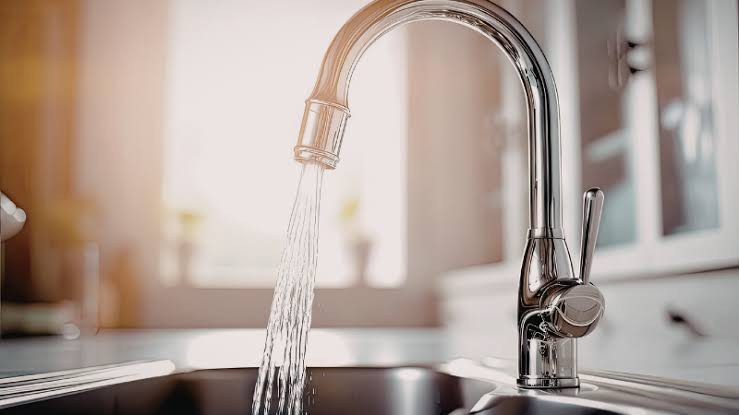
This faucet installation cost guide for homeowners covers what you will pay in 2026. Faucet installation costs between \$150 and \$600 for a standard replacement — swapping an existing faucet for a new one in the same sink configuration. The faucet itself costs \$50 to \$500 depending on the brand, finish, and features, shares Retain Each management.
A faucet replacement is one of the most accessible DIY plumbing projects in the house and the most common one homeowners attempt. The supply lines connect with hand-tightened nuts. The faucet mounts to the sink with wing nuts or a threaded collar. The tools required are a basin wrench and an adjustable wrench. The hardest part is lying on your back under the sink reaching up into a dark, cramped space. The plumbing is simple. The yoga is not.
Faucet Installation Costs by Type and Location
Faucet installation costs range from $150 for a basic bathroom faucet replacement to $900 for a touchless kitchen faucet, with the price driven by the faucet complexity and whether the installation is a like-for-like swap. Here is how the five most common types compare.
| Faucet Type | Faucet Cost | Installed Cost | Labor Time |
| Bathroom sink faucet (single-hole) | $50 – $300 | $150 – $500 | 1–2 hours |
| Bathroom sink faucet (widespread, 3-hole) | $100 – $500 | $200 – $600 | 1.5–2.5 hours |
| Kitchen faucet (standard, no sprayer) | $80 – $300 | $200 – $500 | 1–2 hours |
| Kitchen faucet (pull-down sprayer) | $150 – $500 | $250 – $600 | 1.5–2.5 hours |
| Kitchen faucet (touchless/smart) | $300 – $800 | $400 – $900 | 2–3 hours |
What the Faucet Price Buys
The price difference between a $50 bathroom faucet and a $300 bathroom faucet is not about whether water comes out when you turn the handle. Both faucets deliver water. The difference is in the valve — a ceramic disc cartridge versus a plastic compression cartridge — the finish, electroplated versus PVD, which resists scratching and tarnishing, and the internal components, brass versus plastic. A $50 faucet with a plastic cartridge will drip within three to five years because the plastic seat wears and the rubber washer degrades. A $200 faucet with a ceramic disc cartridge will not drip for 15 to 20 years because the ceramic surfaces are nearly wear-proof. The ceramic cartridge costs $10 to manufacture. The faucet costs $200 because of the metal body, the finish, and the brand markup. The cartridge is the cheapest component. It is also the one that determines whether the faucet leaks.
Kitchen faucets cost more than bathroom faucets for a functional reason: the pull-down sprayer adds a hose, a diverter valve, and a docking mechanism to the faucet body. A kitchen faucet with a pull-down sprayer costs $150 to $500 for the faucet alone. The sprayer hose is the most common failure point, it wears where it rubs against the faucet body during extension and retraction. A kitchen faucet with a magnetic docking system, the spray head snaps back into place with a magnet, reducing the friction wear on the hose, costs $200 to $500. The magnet is worth the premium. It eliminates the most common failure mode in pull-down faucets.
The Environmental Protection Agency (EPA) administers the WaterSense program, which certifies faucets that use 1.5 gallons per minute or less, 30% less than the federal standard of 2.2 GPM. A WaterSense-certified faucet costs the same as a non-certified equivalent and can save the average household 700 gallons of water per year. The certification label is on the box. There is no cost premium for choosing a WaterSense faucet. The savings are automatic.
Installation, What the Plumber Actually Does
A standard faucet replacement takes a plumber one to two hours. The plumber shuts off the water at the angle stops under the sink, disconnects the supply lines from the old faucet, removes the mounting nuts holding the old faucet to the sink, lifts out the old faucet, cleans the sink surface around the mounting holes, applies plumber’s putty or a gasket to the new faucet base, inserts the new faucet through the mounting holes, tightens the mounting nuts, connects the supply lines to the faucet tails, connects the sprayer hose and weight if applicable, turns the water back on, and tests for leaks at every connection. The materials, supply lines, plumber’s putty, thread tape, cost $10 to $30. The labor costs $100 to $300.
The most common complication in a faucet replacement is corroded or seized angle stops, the shutoff valves under the sink. If the angle stops will not close completely, the plumber must shut off the water at the main valve and replace the angle stops before proceeding with the faucet installation. Replacing a pair of angle stops adds $150 to $300 to the cost. If the angle stops are original to a house built before 1990, budget for replacement. The plumber will almost certainly recommend it, and they will almost certainly be right.
DIY vs. Professional Installation
A single-hole bathroom faucet replacement is the most DIY-friendly faucet installation. One hole. Two supply lines. Two mounting nuts. A basin wrench and an adjustable wrench. Thirty to sixty minutes of lying on your back under the sink. The cost savings, $100 to $200 in labor, are real, and the risk of a DIY mistake that causes a leak is low if the supply line connections are hand-tightened plus a quarter-turn with a wrench.
A widespread bathroom faucet with three separate pieces, two handles and a spout, is harder to DIY because the three pieces must be aligned precisely and the connections between them are made under the sink, in the dark, with limited clearance. A kitchen faucet with a pull-down sprayer adds the sprayer hose, the diverter, and the weight to the installation. A touchless kitchen faucet adds batteries or a power connection and a sensor calibration step. The difficulty increases with the faucet complexity.
While standard installations focus heavily on basic assembly, managing intricate components requires a thorough understanding of localized residential water lines. Homeowners who need assistance balancing modern functionality with secure hardware setups can contact professional technicians in Henderson to minimize potential leak hazards. Resolving hidden joint stress early ensures that updated fixtures deliver consistent water control for years to come.
The plumber’s labor cost, $200 to $300, is insurance against a drip under the sink that goes unnoticed for months and rots the cabinet floor, the subfloor, and the ceiling below.
Opting for professional assistance can reduce the risk of structural damage and ensure all connections are completely secure. Working with experienced teams like Zephyrhills Plumbing Pros can help property owners handle complex fixtures or difficult configurations smoothly. Expert technicians check the underlying pipe conditions and properly align components to prevent hidden leaks, supporting the long-term durability of household plumbing systems.
Frequently Asked Questions
How much does it cost to install a faucet?
Faucet installation costs $150 to $600 for a standard replacement. The faucet costs $50 to $500. Labor costs $100 to $300. A kitchen faucet with a pull-down sprayer costs $250 to $600 installed. A touchless faucet costs $400 to $900 installed. Installing a faucet where none existed costs $500 to $1,500 due to the additional plumbing work.
Can I install a faucet myself?
Yes. A single-hole bathroom faucet replacement is one of the most DIY-friendly plumbing projects in the house. The tools required are a basin wrench and an adjustable wrench. The supply lines connect with hand-tightened nuts. The job takes 30 to 60 minutes. The most challenging part is the physical position, lying on your back under the sink reaching up into a dark space. If you can tolerate the discomfort, you can install the faucet.
For homeowners who prefer to avoid the physical strain or worry about potential installation errors, delegating the job to a skilled local technician is a practical alternative. Entrusting the setup to a team like Ocoee Plumbing Pros helps guarantee that every connection is properly sealed against leaks. This careful approach maintains reliable water flow and preserves the structural integrity of your cabinetry.
How long does it take to install a faucet?
A professional plumber installs a standard bathroom or kitchen faucet in one to two hours. A widespread faucet, a pull-down kitchen faucet, or a faucet with corroded angle stops that need replacement takes two to three hours. A DIY installation takes longer, budget two to three hours for a first-time faucet replacement.
What is the best faucet brand for longevity?
Delta, Moen, and Kohler are the market leaders for mid-range to premium faucets. All three use ceramic disc cartridges in their current product lines and offer lifetime warranties on the cartridge and finish. The difference between them is largely aesthetic, choose the brand whose style and finish you prefer. The warranty is comparable. The cartridge technology is comparable. The faucet that lasts 20 years is the one with a ceramic cartridge and a metal body, regardless of the brand name on the box.
Should I replace the angle stops when installing a new faucet?
If the angle stops are original to a house built before 1990, yes. Old angle stops may not close completely, may leak when operated after years of disuse, and will eventually need replacement. Replacing them during a faucet installation costs $150 to $300 and adds 30 to 60 minutes to the job. Replacing them later, when they fail and leak, costs the same amount plus whatever water damage occurred between the failure and the repair.
What does the WaterSense label mean on a faucet?
WaterSense is an EPA program that certifies faucets using 1.5 gallons per minute or less, 30% less than the federal standard. A WaterSense faucet costs the same as a non-certified equivalent and saves roughly 700 gallons of water per year for an average household. The label is on the box. There is no cost premium for choosing WaterSense.
What a New Faucet Costs
A standard bathroom faucet replacement costs $150 to $500 installed and takes a plumber one to two hours. A kitchen faucet with a pull-down sprayer costs $250 to $600 installed. The faucet you choose will be on your sink for the next 10 to 20 years. Spend the money on the valve, ceramic disc, not plastic compression, and the finish, PVD, not standard electroplate. The faucet that costs $50 more today will not drip in year three. The faucet that costs $50 less will. The difference is not the water bill. It is the sound of a dripping faucet at 3 a.m. and the knowledge that fixing it requires getting under the sink again. Ever lain on your back under a sink with a basin wrench, sweat dripping into your eyes, trying to find the mounting nut by feel because the angle is too tight to see it? That position is what plumbers charge $150 an hour for. Not the wrench work. The yoga. Next time, pay for the ceramic cartridge and hire the plumber. The faucet will not drip. The plumber will do the yoga. You will stand at the sink and turn the handle and nothing will leak. That is what the money is for.