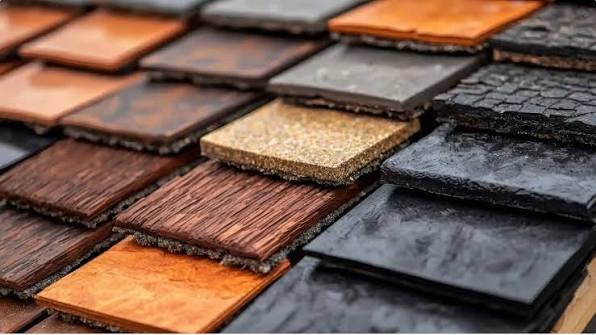
According to Property Management Boca Raton property management, the best materials and options for roof replacement depend on four factors that most buying guides treat as afterthoughts: how long you will own the house, what your local climate punishes most, whether your roof framing can support the weight of heavier materials, and how much you value upfront savings versus long-term cost per year. Get those four answers straight and the material choice is not a debate. It is arithmetic.
This guide covers every mainstream roof replacement material — asphalt, metal, tile, slate, synthetic, and wood — with the cost, lifespan, weight, and climate data you need to compare them honestly. No manufacturer talking points. No “best for everyone” answers that do not exist.
Asphalt Shingles — the Standard for 80% of American Homes
Asphalt shingles are the best roof replacement material for most homeowners because they balance four things no other material balances as well: low upfront cost, wide installer availability, predictable performance across most climates, and acceptable lifespan. A 2,000-square-foot asphalt shingle roof costs $7,000 to $15,000 installed and lasts 20 to 30 years depending on the grade.
Three-Tab vs. Architectural — the Upgrade That Almost Always Pays Off
Three-tab shingles are the entry-level option: flat, uniform, lightweight, and rated for 15 to 20 years. They cost $350 to $450 per square installed. Architectural shingles — also called dimensional or laminate, are thicker, heavier, and layered to create a textured appearance. They cost $450 to $750 per square installed and last 25 to 30 years.
The upgrade from three-tab to architectural costs about $2,000 to $4,000 on a typical home. Over 25 years, that works out to $80 to $160 per year for a roof that looks better, resists wind uplift more effectively, and lasts roughly 50% longer. There are very few home improvement decisions with a clearer return, and almost none that cost less per year of benefit.
The one scenario where three-tab makes sense: you are selling the house within five years and the roof simply needs to pass inspection. In that case, the buyer will not pay more for architectural shingles, and you will not recoup the upgrade cost at closing.
Metal Roofing, the Long-Game Champion
Metal roofing is the best material for homeowners who plan to stay in their house for more than 15 years and can absorb a higher upfront cost in exchange for a roof they will probably never replace. Steel standing-seam panels cost $800 to $1,500 per square installed, $16,000 to $30,000 for a typical home, and last 40 to 60 years.
Steel, Aluminum, Copper, and Zinc, Which Metal for Which House
Galvanized steel is the default metal roofing choice. It costs the least among metals, performs well in most climates, and is widely available. The galvanized coating resists rust, but once the coating is scratched, which happens during installation if the crew is not careful, the exposed steel begins to corrode. A Kynar 500 or Hylar 5000 painted finish adds $100 to $200 per square and extends the coating warranty to 30 years or more.
Aluminum costs slightly more than steel, $900 to $1,600 per square, but does not rust at all. It is the correct choice for homes within a mile of salt water, where galvanized steel will show rust within a decade regardless of the coating. Aluminum is also lighter than steel, which matters on older homes where the roof structure may not have much load capacity to spare.
Copper and zinc are architectural metals. Copper costs $1,500 to $2,500 per square, lasts 70 to 100 years, and develops a green patina over time that some homeowners love and others consider an eyesore. Zinc costs slightly less than copper, lasts 60 to 90 years, and develops a gray-blue patina. Both are luxury choices, not practical ones. Install them because you want the look, not because the per-year math justifies the cost. It rarely does.
Tile and Slate, Forever Roofs With Forever Price Tags
Clay tile, concrete tile, and natural slate are the longest-lasting roof replacement materials available. They also weigh more than any other option and cost more than any other option. A tile or slate roof is a generational purchase, the roof will outlast you, your children, and possibly the framing underneath it.
Clay Tile
Clay tile costs $1,000 to $2,000 per square installed, $20,000 to $40,000 for a typical home. It lasts 50 to 100 years and is the defining visual feature of Spanish Colonial, Mediterranean, and Mission-style architecture. Clay tile is also the most brittle roofing material. You cannot walk on a clay tile roof without breaking tiles. Every repair requires foam walkboards, ladder hooks, and a contractor who knows how to remove a broken tile without cracking the two on either side of it. The material is durable. The installation and maintenance are unforgiving.
Concrete Tile
Concrete tile costs $700 to $1,500 per square, $14,000 to $30,000 total. It weighs slightly more than clay but is less brittle, which makes installation and future repairs easier. Concrete tile is the pragmatic choice within the tile category: similar lifespan, lower cost, lower repair risk. The trade-off is appearance. Concrete tile looks like concrete tile. It does not have the depth of color or the fired-surface sheen of clay. Whether that matters is a question of curb appeal, not performance.
Natural Slate
Natural slate costs $1,500 to $3,000 per square, $30,000 to $60,000 total, and lasts 75 to 200 years depending on the quarry. Slate is the best roofing material in the world by any measure except cost and weight. The quarry matters more than most buyers realize. Pennsylvania slate, Vermont slate, and Spanish slate have different densities, different weathering characteristics, and different expected lifespans. A roof quoted as “natural slate” without a quarry name is a roof quoted by someone who does not know the difference.
The Weight Problem, Read This Before You Buy Tile or Slate
Tile and slate weigh 600 to 1,500 pounds per square. Asphalt shingles weigh 200 to 400 pounds per square. Most residential roof framing is engineered for asphalt-level loads. Installing tile or slate on a roof not designed for it can cause structural sagging within years, not decades. Before you price tile or slate, get a structural engineer or a licensed contractor to evaluate whether the existing framing can support the load. If the answer is no, structural reinforcement adds $3,000 to $8,000 to the project. That number either fits your budget or it eliminates tile and slate from consideration. Either way, you need to know it before you sign anything.
The National Roofing Contractors Association (NRCA) publishes technical guidelines for every roof system type, including load requirements, fastener specifications, and underlayment standards. A contractor who installs the material you choose should be able to reference the relevant NRCA guideline by name. If they cannot, they are learning on your roof. Would you let a surgeon operate who could not name the procedure? Same logic applies here — except the thing being cut open is the thing keeping rain out of your living room.
Synthetic and Composite, the Modern Middle Ground
Synthetic roofing materials, made from recycled rubber, plastic polymers, or engineered composites, mimic the appearance of slate, wood shake, or clay tile at roughly half the cost and a fraction of the weight. Synthetic slate costs $600 to $1,100 per square installed, $12,000 to $22,000 total, and lasts 30 to 50 years.
The weight advantage is significant. Synthetic materials weigh 200 to 400 pounds per square, comparable to asphalt. No structural reinforcement is needed. The appearance from the street is convincing enough that most neighbors will not know the difference between synthetic slate and the real thing. Up close, a trained eye can tell. From the curb, it takes a ladder.
Synthetic materials have been on the market for less than 30 years, which means the 50-year lifespan claims are based on accelerated weathering tests, not real-world performance data. That is not a reason to avoid them. It is a reason to buy from a manufacturer with a warranty that covers both materials and labor, not just a prorated replacement of defective pieces that leaves you holding the installation bill.
Wood Shake and Shingle, Regional, Beautiful, and High-Maintenance
Wood shake and wood shingle roofs, typically cedar or redwood, cost $800 to $1,400 per square installed and last 25 to 40 years in dry climates. In wet or humid climates, the lifespan drops to 15 to 25 years because wood absorbs moisture, swells, shrinks, and eventually rots.
Wood roofing is the best-looking option on the right house, Craftsman bungalows, Cape Cod cottages, mountain cabins. It is also the highest-maintenance option. Wood shakes need to be cleaned, treated with preservative, and inspected for rot every three to five years. In wildfire-prone areas, wood roofing is increasingly restricted by building codes that require Class A fire-rated materials. Pressure-treated, fire-retardant shakes meet Class A requirements but cost 30% to 50% more than untreated cedar.
Wood roofing is a regional choice. In the Pacific Northwest and New England, it is common enough that contractors know how to install it correctly. In the Southwest and Southeast, finding a qualified wood roof installer is significantly harder, and the climate works against the material from day one.
Side-by-Side Comparison of All Replacement Options
| Material | Cost (2,000 sq ft) | Lifespan | Weight/Sq | Best Climate |
| Asphalt 3-Tab | $7,000 – $9,000 | 15–20 yrs | 200–250 lbs | All climates (budget option) |
| Architectural Asphalt | $9,000 – $15,000 | 25–30 yrs | 250–400 lbs | All climates (best value) |
| Steel Standing-Seam | $16,000 – $30,000 | 40–60 yrs | 100–200 lbs | Hot climates, snow country |
| Aluminum | $18,000 – $32,000 | 40–60 yrs | 50–150 lbs | Coastal (salt-resistant) |
| Concrete Tile | $14,000 – $30,000 | 50+ yrs | 600–1,100 lbs | Hot/dry, Mediterranean |
| Clay Tile | $20,000 – $40,000 | 50–100 yrs | 600–1,000 lbs | Hot/dry, Spanish style |
| Natural Slate | $30,000 – $60,000 | 75–200 yrs | 800–1,500 lbs | Cold climates (freeze-tolerant) |
| Synthetic Composite | $12,000 – $22,000 | 30–50 yrs | 200–400 lbs | All climates (lightweight slate alternative) |
| Wood Shake/Shingle | $16,000 – $28,000 | 25–40 yrs | 300–500 lbs | Dry climates, PNW, New England |
Frequently Asked Questions
What is the best roofing material for replacement?
Architectural asphalt shingles are the best material for most homeowners. They cost $9,000 to $15,000 installed, last 25 to 30 years, and offer the strongest combination of upfront affordability, installer availability, climate versatility, and resale value. Metal is a better choice for long-term owners in hot climates. Tile and slate are better for historic or high-end architectural homes with the structural capacity to support them.
How much does a roof replacement cost by material?
Asphalt shingle replacement costs $7,000 to $15,000. Metal replacement costs $16,000 to $32,000. Concrete tile costs $14,000 to $30,000. Clay tile costs $20,000 to $40,000. Natural slate costs $30,000 to $60,000. Synthetic composite costs $12,000 to $22,000. Wood shake costs $16,000 to $28,000. All estimates are for a typical 2,000-square-foot home in 2026.
Does the roof material affect home insurance premiums?
Yes. Class 4 impact-rated asphalt shingles, metal roofing, and tile roofing can qualify for insurance discounts of 5% to 20% in hail-prone regions because they resist damage that would require a claim. Contact your insurance agent with the specific material and impact rating before you make a final decision. The premium savings over 10 to 15 years can offset a meaningful portion of the material upgrade cost.
Can I switch from asphalt to metal or tile during replacement?
Yes, as long as the roof structure supports the new material’s weight and local building codes allow the change. Switching from asphalt to metal requires no structural changes in most homes. Switching from asphalt to tile or slate almost always requires a structural evaluation and often requires reinforcement. Switching from any material to a lighter one, asphalt to metal, tile to asphalt, is structurally straightforward.
Which roof replacement material lasts the longest?
Natural slate lasts 75 to 200 years and is the longest-lasting roofing material available. Copper and zinc metal roofing last 70 to 100 years. Clay and concrete tile last 50 to 100 years. Steel and aluminum metal roofing last 40 to 60 years. Architectural asphalt lasts 25 to 30 years. Three-tab asphalt lasts 15 to 20 years.
What is the most cost-effective roof replacement material per year?
Architectural asphalt shingles are the most cost-effective at $300 to $600 per year of service life. Steel standing-seam metal is competitive at $267 to $750 per year. Concrete tile at $280 to $600 per year is surprisingly cost-effective on a per-year basis, the challenge is the structural reinforcement cost and the upfront cash requirement.
The Material You Choose Is the Roof You Live Under
Architectural asphalt shingles are the right answer for most people most of the time. They are not exciting. They are not the roof your neighbors will photograph. They are the roof that keeps the water out for 25 to 30 years at a price you can afford without refinancing the house.
If you have the budget and the time horizon, metal earns its premium through decades of zero-maintenance service. Tile and slate are architectural investments that pay off over generations, not years. Synthetic materials are closing the gap between appearance and affordability faster than any other category. But for the homeowner standing in the driveway with a quote in one hand and a calculator in the other, architectural asphalt is almost never the wrong answer. It is just not the only one worth considering.