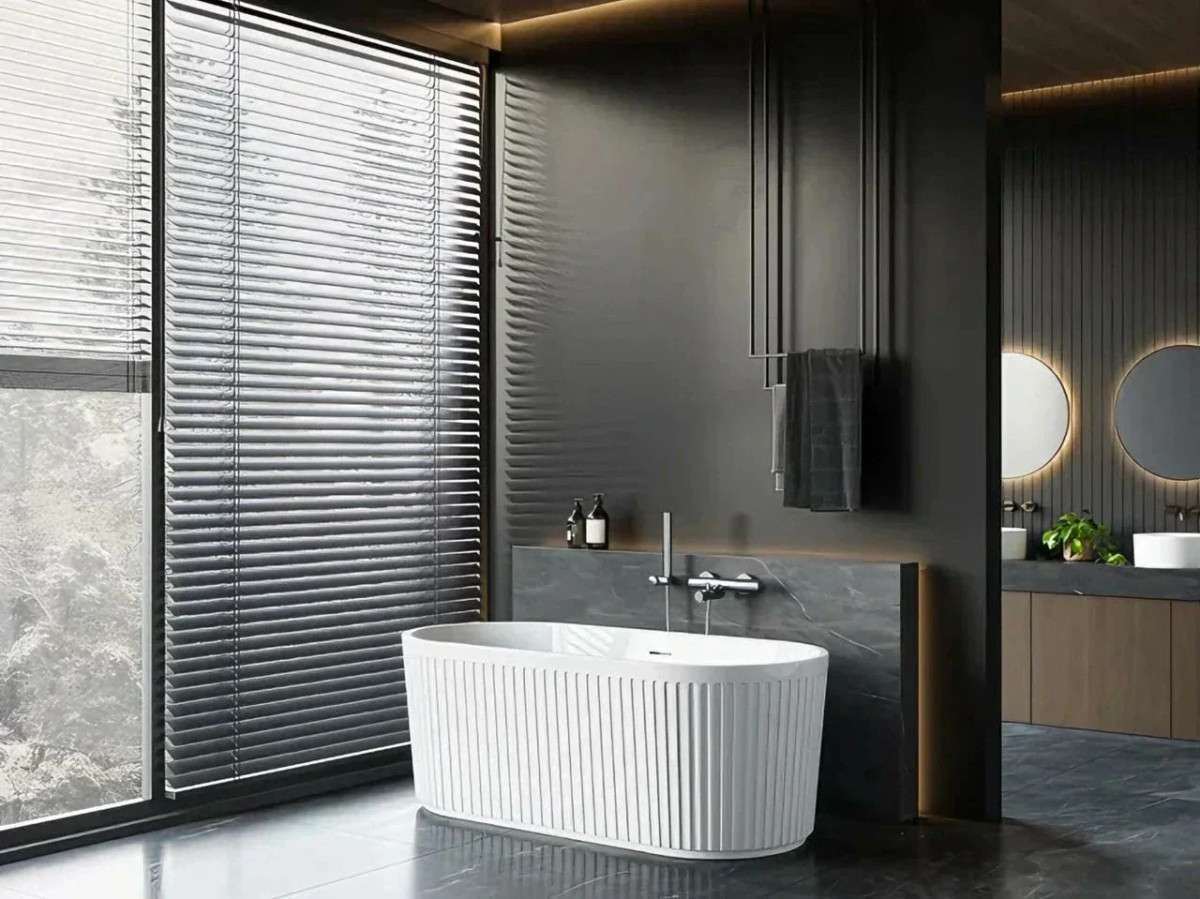
This bathtub replacement cost guide covers what you will pay in 2026. Replacing a standard bathtub costs between $1,500 and $8,000, with the national average around $3,500 for a basic alcove tub replacement. The tub itself costs $300 to $2,000. The labor — removing the old tub, preparing the alcove, installing the new tub, connecting the plumbing, and installing the surround — costs $1,000 to $5,000, notes Portside Property Management.
Bathtub replacement is not a like-for-like swap the way a toilet or a water heater replacement is. The existing tub is often surrounded by tile, drywall, and plumbing that must be partially demolished to remove the old tub and reinstalled around the new one. The tub itself is one-third to one-half of the total cost. The labor, the surround, and the plumbing modifications are the rest.
Bathtub Replacement Costs by Type
Bathtub replacement costs range from $1,500 for a basic alcove tub to $15,000 for a full tub-to-shower conversion, with the price driven by the tub type, the material, and whether the plumbing must be relocated. Here is how six common replacement scenarios compare.
| Tub Type | Tub Cost | Installed Cost | Best For |
| Alcove tub (standard 60″ x 30″) | $300 – $800 | $1,500 – $4,000 | Standard bathroom, budget replacement |
| Alcove tub (premium, deeper soaking) | $800 – $2,000 | $2,500 – $5,500 | Deeper soaking depth, upgraded material |
| Freestanding tub | $1,000 – $5,000 | $3,500 – $8,000 | Master bath, plumbing relocation required |
| Clawfoot tub (cast iron) | $1,500 – $4,000 | $4,000 – $8,000 | Historic homes, floor reinforcement may be needed |
| Walk-in tub (accessibility) | $2,000 – $5,000 | $5,000 – $10,000 | Aging in place, may require electrical for heated seat |
| Tub-to-shower conversion | N/A | $5,000 – $15,000 | Replace tub with walk-in shower entirely |
Tub Materials — What the Price Buys
Acrylic: The most common bathtub material. Lightweight — 50 to 75 pounds — easy to install, warm to the touch, and available in standard sizes that fit most alcoves. Acrylic tubs cost $300 to $800 and last 10 to 20 years. The surface can scratch, and the finish can dull over time from abrasive cleaners. Fiberglass, a lower-cost alternative to acrylic, costs $200 to $500 but is less durable, more prone to scratching and fading, and should be avoided unless the budget leaves no other choice. The price difference between fiberglass and acrylic is $100 to $300. The lifespan difference is 5 to 10 years. Acrylic is worth the upgrade.
Enameled steel: A steel base coated with porcelain enamel. Durable, resistant to scratching and chipping, and heavier than acrylic at 100 to 150 pounds. Enameled steel tubs cost $300 to $700 and last 15 to 25 years. The surface is harder than acrylic but can chip if a heavy object is dropped on it. The steel base retains heat poorly, the tub feels cold to the touch when empty and loses heat faster than acrylic or cast iron when filled. Enameled steel is a good middle-ground option: more durable than acrylic, less expensive than cast iron, heavier to install than either.
Cast iron: The premium bathtub material. A cast iron base coated with porcelain enamel. Extremely durable, cast iron tubs from the 1920s are still in service today, and excellent at retaining heat. A cast iron tub stays warm for the duration of a long bath. The weight is the installation challenge: 300 to 500 pounds for a standard alcove tub. A cast iron tub requires two to four people to carry and position. The floor structure must be able to support the weight, most standard residential framing can, but older homes with compromised joists may need reinforcement. Cast iron tubs cost $800 to $2,500 and last 50 years or more. They are a lifetime purchase.
The National Association of Home Builders (NAHB) identifies bathroom remodels as one of the highest-return home improvement projects. A well-executed bathtub replacement, particularly one that updates an outdated or damaged tub with a modern, clean replacement, improves both daily livability and resale appeal. Buyers notice a dated, stained, or cracked bathtub immediately. It is one of the few surfaces in the house that occupants interact with directly and inspect closely.
Alcove vs. Freestanding, the Layout Decision
An alcove tub is installed in a three-walled enclosure, the standard configuration in most bathrooms. The tub is surrounded by a tile or acrylic surround on three sides, with the plumbing in the wall at the drain end. Replacing an alcove tub with another alcove tub is the simplest and least expensive bathtub replacement because the plumbing is already in the right place and the floor does not need to be modified.
A freestanding tub sits in the middle of the bathroom with no walls touching it on any side. Converting an alcove to a freestanding tub requires relocating the plumbing, the supply lines and the drain must be run through the floor instead of through the wall. The drain must be centered under the tub. The floor must be reinforced to support the weight of a freestanding tub, which is typically cast iron or stone resin and weighs 200 to 800 pounds when empty and significantly more when filled with water and a person. The plumbing modifications for a freestanding tub conversion cost $1,500 to $3,500. The floor reinforcement costs $500 to $1,500. These are not optional upgrades. They are structural requirements.
Surround, Plumbing, and Additional Costs
The tub surround, the walls around the tub, is replaced as part of most tub replacements because the old surround is damaged during removal of the old tub. A prefabricated acrylic or fiberglass surround costs $500 to $1,500 installed. A tile surround costs $1,500 to $4,000 installed depending on the tile material and the square footage. The surround cost is separate from the tub replacement cost and must be budgeted as part of the total project.
Plumbing modifications add to the cost when the new tub’s drain location does not match the old tub’s drain location, common when switching from an alcove tub to a freestanding tub, or when replacing a tub that has an offset drain with one that has a center drain. Moving a drain line costs $500 to $1,500. Replacing the tub faucet and valve costs $300 to $800 for the fixture plus $200 to $500 for installation. The access panel behind the tub plumbing, required by code for alcove installations, must be accessible after the installation is complete. An access panel in an adjacent closet or through an exterior wall is standard. The access panel must remain. Do not tile over it.
Frequently Asked Questions
How much does it cost to replace a bathtub?
Replacing a standard alcove bathtub costs $1,500 to $5,500 installed. The tub costs $300 to $2,000. Labor and surround materials cost $1,000 to $4,000. A freestanding tub replacement costs $3,500 to $8,000. A walk-in tub costs $5,000 to $10,000. A tub-to-shower conversion costs $5,000 to $15,000.
How long does bathtub replacement take?
A standard alcove tub replacement takes one to three days. Day one: demolition and plumbing prep. Day two: tub installation, surround installation, and plumbing connections. Day three: caulking, trim, and cleanup. A freestanding tub installation with plumbing relocation takes three to five days. A full tub-to-shower conversion takes one to three weeks because of the tile installation and curing time.
Can I replace a bathtub myself?
An alcove tub replacement is a major plumbing project, not a DIY weekend task. The tub is heavy, the plumbing connections must be watertight, and the surround must be installed correctly to prevent water from reaching the wall framing. A freestanding tub requires plumbing relocation through the floor. A tub-to-shower conversion requires waterproofing that must be done correctly to prevent leaks. Bathtub replacement is not DIY territory for most homeowners. The cost of professional installation is less than the cost of water damage from a DIY installation that leaks.
Should I repair or replace my bathtub?
Repair a tub with minor surface damage, small chips, scratches, or dull finish that can be refinished or relined. Bathtub refinishing costs $300 to $600 and extends the tub’s life by 5 to 10 years. Replace a tub that is cracked, leaking, rusted through, or more than 30 years old. A crack in an acrylic or fiberglass tub is a structural failure, water is reaching the framing underneath. Refinishing covers the crack cosmetically but does not stop the leak.
Does bathtub replacement require a permit?
An alcove tub replacement with no plumbing relocation typically does not require a permit. Changing the tub type, alcove to freestanding, or relocating the drain requires a plumbing permit. The permit costs $50 to $200 and includes an inspection to verify the plumbing connections and the tub’s drain and overflow are correctly installed. A licensed plumber will pull the permit.
What is the best material for a replacement bathtub?
Acrylic is the best material for most bathtub replacements. It costs $300 to $800, is lightweight and easy to install, stays warm to the touch, and lasts 10 to 20 years. Cast iron is the premium choice, $800 to $2,500, extremely durable, excellent heat retention, and extremely heavy. A cast iron tub is a lifetime purchase. Acrylic is the practical choice for most bathrooms.
What a New Bathtub Costs
An acrylic alcove tub replacement costs $1,500 to $4,000 and is the right answer for most bathrooms. The tub is warm to the touch, light enough for two people to carry, and available in standard sizes that fit existing alcoves without plumbing relocation. The surround, whether acrylic for $500 to $1,500 or tile for $1,500 to $4,000, completes the installation and updates the entire tub area.
A cast iron tub costs $2,500 to $5,500 installed and is a generational purchase. It was the right answer in 1920. It is still the right answer for a homeowner who wants a tub that will outlast the bathroom around it. A freestanding tub is a luxury purchase, $3,500 to $8,000, and requires a bathroom large enough to accommodate it. The tub sits in the middle of the room like a piece of furniture because it is a piece of furniture. Choose it for the look. The bath feels the same regardless of whether the tub touches the walls. The bathroom does not. Ever climbed into a bathtub in a rental and felt the floor flex under your weight? That is not the tub settling. That is the subfloor, slowly rotting from a leak that has been dripping since before you moved in. The tub felt fine. The problem was underneath. The bathtub replacement starts with the tub. It ends with whatever the plumber finds when the old tub comes out. Hope it is dry under there. Budget as if it is not.