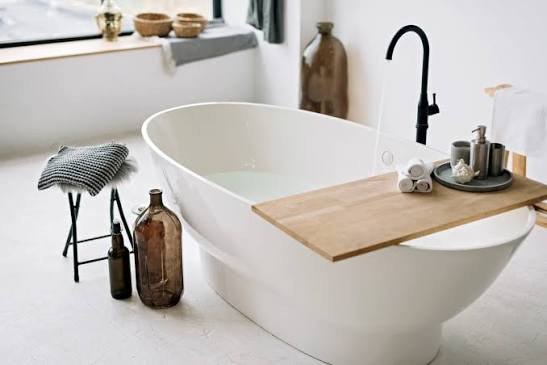
Replacing a bathtub costs $1,500 to $5,500 installed depending on the material, the labor required to remove the old tub, and whether the plumbing needs to be moved. The material itself accounts for $300 to $2,500 of that total. Choosing the wrong material to save $200 turns a 20-year fixture into a 5-year problem that cracks, stains, or loses its finish before the bathroom has even aged out of style.
The bathtub is the only bathroom fixture that has to be waterproof, durable, and comfortable on bare skin simultaneously. It holds 40 to 60 gallons of hot water. It supports the weight of that water plus a person. It gets scrubbed with abrasive cleaners. It sits in a humid environment 365 days a year. A material that fails at any of these demands means replacing the tub and retiling the surrounding walls, a job that costs more than the original install. The six materials below each solve the waterproof-and-durable problem differently. The right one for your bathroom depends on which trade-offs you are willing to accept: weight, cost, heat retention, or repairability.
“Bath Tub: repair or replace? The enamel is worn through in a couple spots and rust is starting. I got a quote for reglazing at $450 but I don’t know if that’s throwing good money after bad.”
— r/Home, April 2024 (13 upvotes, 24 comments), source
Reglazing a tub costs $300 to $600 and lasts 3 to 5 years before the coating begins to peel at the drain and around the edges. If the tub itself is structurally sound — no cracks, no flexing, just surface wear — reglazing buys time. If the tub is fiberglass that has gone soft in the bottom or cast iron with rust eating through from underneath, reglazing is a cosmetic bandage on a structural problem. The weight of a full bathtub of water plus a person will eventually crack through a reglazed surface that was applied over failing substrate.
Enameled Cast Iron — The 50-Year Tub That Outlives the House
Cast iron bathtubs are made by pouring molten iron into a mold, then coating the entire surface with a thick layer of porcelain enamel fired at high temperature. The result is a tub that weighs 300 to 500 pounds empty and will not crack, flex, or wear through in a human lifetime. The enamel surface is glass — literally glass — which means it is impervious to water, stains, and every cleaning product on the market except abrasives that scratch glass. A cast iron tub installed in 1950 that was re-enameled once in 1980 is still in service.
The trade-off is weight. A cast iron tub requires a floor that can support 500 to 800 pounds when full. Most ground-floor bathrooms on concrete slabs handle this without modification. Second-floor bathrooms on wood framing may require joist reinforcement or sistering, which adds $500 to $1,500 to the installation cost before the plumber even arrives. The weight also makes installation a two- or three-person job. A dropped cast iron tub on a finished floor breaks the floor, not the tub. Cast iron is the right answer when durability is the only priority and the floor can support it. It is the wrong answer for upstairs bathrooms with questionable framing.
Stone Resin, The Modern Alternative That Rivals Cast Iron
Stone resin bathtubs are made from a mixture of crushed natural stone and resin, cast in a mold and finished to a smooth, non-porous surface. They weigh 200 to 400 pounds, lighter than cast iron but still heavy enough to need floor evaluation. The material is warm to the touch unlike cast iron, which is cold until filled with hot water. Stone resin holds heat exceptionally well. Water that starts at 105 degrees will still be comfortably warm 30 minutes later, which is the practical difference between a relaxing bath and a race to finish before the water turns lukewarm.
Stone resin is repairable in a way that cast iron and acrylic are not. A scratch or small chip can be sanded out and buffed to match the surrounding finish because the color runs through the entire material thickness, not just a surface coating. The cost is high, $1,800 to $5,000 for the tub alone, and the availability of shapes and sizes is narrower than acrylic. Stone resin is the right answer for a master bathroom where the tub is a daily-use fixture and the budget allows for the premium. It is overkill for a guest bathroom used twice a year.
Acrylic, The Most Practical Option for Most Bathrooms
Acrylic bathtubs are made from vacuum-formed sheets of acrylic reinforced with fiberglass backing. They cost $500 to $2,000, weigh 75 to 150 pounds, and install with two people in an afternoon. The surface is non-porous and waterproof by nature, water cannot penetrate acrylic. The material resists staining and cleans with standard non-abrasive bathroom cleaners. Acrylic holds heat moderately well. Water stays warm for 15 to 20 minutes, which is adequate for most baths and noticeably less than stone resin or cast iron.
The limitation of acrylic is scratch resistance. Abrasive cleaners, Comet, Ajax, anything with bleach crystals, dull the surface over time. A dropped shampoo bottle will not crack an acrylic tub the way it would chip enameled steel, but steel wool or a scrub pad will leave visible scratches that cannot be buffed out the way stone resin can. Acrylic is the right answer for a primary bathroom or kids’ bathroom where the tub is used daily, the budget is moderate, and the priority is waterproof durability with low maintenance. It is the most practical material for the widest range of bathrooms.
| Material | Tub Cost | Lifespan | Weight | Heat Retention | Repairable |
| Cast Iron | $500–$2,500 | 50+ years | 300–500 lbs | Excellent | Re-enamel only |
| Stone Resin | $1,800–$5,000 | 30–50 years | 200–400 lbs | Excellent | Sandable |
| Acrylic | $500–$2,000 | 15–25 years | 75–150 lbs | Good | Surface only |
| Porcelain-Enameled Steel | $300–$1,500 | 10–20 years | 100–150 lbs | Poor | No |
| Solid Surface | $1,800–$5,000 | 20–30 years | 150–250 lbs | Very Good | Sandable |
| Fiberglass (FRP) | $200–$800 | 8–12 years | 60–100 lbs | Poor | Limited |
Porcelain-Enameled Steel, Affordable but Limited
Porcelain-enameled steel is a steel shell coated with a baked-on porcelain finish. It costs $300 to $1,500 and weighs about the same as acrylic. The surface is glass-smooth and waterproof. The problem is that the porcelain coating is thin relative to cast iron enamel. A dropped shampoo bottle can chip the surface. Once the porcelain chips and exposes the steel underneath, rust starts at the chip site and spreads under the enamel, lifting it away from the steel. A chipped enameled-steel tub is not repairable, the rust will eventually crack the enamel from underneath, and the only fix is replacement.
Enameled steel also loses heat faster than any other tub material. The steel conducts heat away from the water into the surrounding air, dropping bathwater temperature by 5 to 10 degrees in 15 minutes. For a quick shower-tub combo in a guest bathroom, this does not matter. For a soaking tub, it matters a lot. Enameled steel is the right answer when budget is the primary constraint and the tub will be used for showers more than baths.
Solid Surface, The Middle Ground Between Acrylic and Stone
Solid surface bathtubs are made from a blend of minerals and resin, similar to stone resin but with a higher resin content and lower stone content. The result is a lighter material, 150 to 250 pounds, with a smooth, non-porous surface that feels warmer than cast iron but cooler than acrylic to the touch. Solid surface holds heat well, better than acrylic and close to stone resin. The surface is repairable by sanding, like stone resin. The cost is $1,800 to $5,000, which puts it in the premium tier.
The distinction between solid surface and stone resin is mostly marketing, both are mineral-resin composites at different ratios. Solid surface typically has a more consistent color with less visible stone grain, which suits modern and minimalist bathrooms. Stone resin typically has visible stone particles, which suits organic or natural-material bathrooms. Functionally, they perform similarly. The choice between them is aesthetic more than practical.
Fiberglass, The Budget Option With a Short Fuse
Fiberglass bathtubs cost $200 to $800 and are the lightest option at 60 to 100 pounds. The material is a gel coat over layers of fiberglass-reinforced polyester resin. The gel coat is waterproof and glossy when new. The problem is that the gel coat is thin and soft relative to acrylic or enamel. Within 3 to 5 years of regular use, the bottom of a fiberglass tub develops a network of fine cracks called crazing. The surface dulls. Non-slip texture pads wear smooth. The tub is still waterproof, the fiberglass underneath the gel coat is impermeable, but the appearance degrades faster than any other material.
Fiberglass is the right answer for a rental property, a budget flip, or a bathroom that will be remodeled again within 10 years. It is the wrong answer for a primary bathroom where the tub is used daily. The cost saving over acrylic on a $300 to $500 difference at purchase becomes a regret within 5 years when the acrylic tub next door still looks new and the fiberglass tub looks 15 years old. According to ENERGY STAR, pairing a bathroom renovation with water-efficient fixtures can reduce household water consumption by 20% or more, making the tub material choice part of a broader efficiency strategy.
How to Choose, Decision Framework for Each Scenario
Primary bathroom, daily use, ground floor, budget flexible: Stone resin or cast iron. The heat retention and lifespan justify the premium.
Primary bathroom, daily use, upstairs, moderate budget: Acrylic. Light enough for any floor, durable enough for daily use, half the cost of stone.
Kids’ bathroom, heavy use, any floor: Acrylic. Resists impact better than enameled steel and cleans more easily than fiberglass.
Guest bathroom, infrequent use, tight budget: Enameled steel. The lower heat retention does not matter for showers, and the lower cost fits the use frequency.
Rental, budget flip, temporary solution: Fiberglass. Accept the 8-to-12-year lifespan and plan to replace it with acrylic when it wears out.
Period home, restoring original character: Cast iron. No other material matches the period authenticity and the weight is part of the character.
Frequently Asked Questions
Should I reglaze my existing tub or replace it?
Reglaze if the tub is cast iron or steel with surface wear but no structural damage, no cracks, no flexing, no rust through the metal. Reglazing costs $300 to $600 and lasts 3 to 5 years. Replace the tub if it is fiberglass that has softened in the bottom, if rust has penetrated through a steel tub, if the tub flexes when you stand in it, or if the surrounding tile needs replacement anyway. Replacing a tub and retiling the surround costs $2,500 to $5,500, but replacing just the tub and then redoing the tile separately two years later costs more than doing both at once.
Which bathtub material is the most durable overall?
Enameled cast iron is the most durable bathtub material by a wide margin. The iron core is nearly indestructible and the porcelain enamel surface, if not struck with a heavy object, lasts 50 years or more without refinishing. The limitation is weight, a 350-pound tub limits which bathrooms can accommodate it, not durability. Stone resin is the second-most durable and does not have the weight problem.
What is the real difference between acrylic and fiberglass tubs?
Acrylic tubs have a thicker, harder surface that resists scratching, staining, and fading for 15 to 25 years. Fiberglass tubs have a thin gel coat that dulls and crazes within 5 to 8 years. The price difference is $300 to $500 on average, acrylic costs more. The practical difference is that an acrylic tub in a daily-use bathroom still looks acceptable at year 10. A fiberglass tub in the same bathroom looks worn by year 5. If the tub will be used daily, the acrylic premium pays for itself in avoided replacement cost within 10 years.
Does my floor need reinforcement for a heavy bathtub?
Cast iron tubs at 300 to 500 pounds plus 40 to 60 gallons of water at 8.3 pounds per gallon put 630 to 1,000 pounds on a roughly 15-square-foot area. A concrete slab on grade handles this without modification. A wood-framed floor depends on joist size, spacing, and span. As a rule of thumb: if the bathroom floor does not deflect noticeably when an adult jumps on it, a cast iron tub is likely fine. If the floor bounces or the home is older with 2×8 or smaller joists spanning more than 12 feet, have a structural engineer or experienced contractor evaluate before ordering a cast iron or stone resin tub.
How much does bathtub installation add to the material cost?
Installation adds $1,000 to $3,000 to the tub cost for a standard replacement with no plumbing relocation. The labor includes removing the old tub, preparing the subfloor, setting the new tub, connecting the drain and overflow, and installing the faucet and trim. Moving the drain location or replacing the valve adds $500 to $1,500 in plumbing labor. Installing tile surround walls after the tub is set adds $1,000 to $3,000. The total installed cost, tub, labor, plumbing, surround, for a mid-range acrylic tub replacement in a standard alcove runs $2,500 to $4,500. A stone resin freestanding tub with floor-mounted faucet and new plumbing rough-in can exceed $8,000.