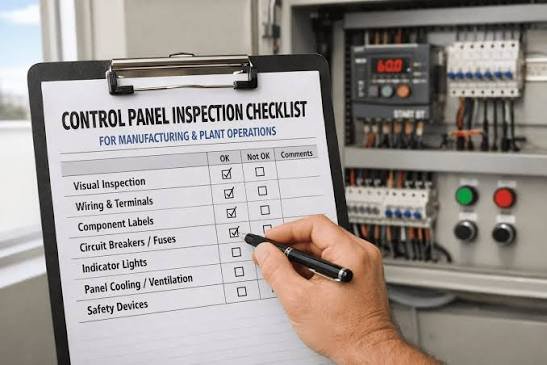
This wiring safety checklist walks you through every visible sign of wiring problems in your house — the outlets, the switches, the panel, the cords, and the attic. It takes roughly 45 minutes. It costs nothing. It identifies the wiring hazards that cause electrical fires: loose connections, deteriorating insulation, overloaded circuits, and obsolete wiring materials, explains UTZ Property Management team. The checklist is visual and tactile. You do not need to open walls or touch live wires. You need a flashlight, a receptacle tester — $10 to $20 at a hardware store — and the willingness to look closely at the electrical components you use every day without thinking about them. The outlet you plug your phone charger into every night. The switch you flip without looking. The cord you step over in the hallway. These are the components the checklist inspects. The inspection finds the problems before the problems find you.
Wiring problems announce themselves through heat, sound, smell, and visual degradation. The signs are detectable. The fixes are affordable — a $200 outlet replacement, a $300 circuit addition, a $3,000 panel upgrade. The fire that any one of these problems can cause is not affordable. The checklist is the prevention. The fire is the consequence of not using the checklist. Here is what to check.
Check Every Outlet and Switch
Touch every outlet cover. Place your hand flat against each outlet. An outlet that is warm to the touch — warmer than the surrounding wall, has a loose internal connection. Turn off the circuit breaker. Call an electrician. The outlet must be replaced. The replacement costs $120 to $250. The warm outlet is generating heat. The heat is the warning. The warning is active.
Test every outlet with a receptacle tester. Plug the tester into each outlet. The three lights on the tester indicate whether the outlet is wired correctly, hot, neutral, and ground connected properly, or whether there is an open ground, reversed polarity, or an open neutral. A $15 tester identifies wiring faults in seconds per outlet. An outlet with an open ground, the ground wire is missing or disconnected, is a shock hazard. An outlet with reversed polarity, the hot and neutral wires are swapped, can energize the metal parts of an appliance. The tester finds these faults. The faults are invisible without the tester. The tester costs $15. The fault it finds is the reason to fix the outlet. The fix costs $120 to $250. The fix prevents the shock. The shock is not priced.
Look at every outlet and switch for scorch marks or discoloration. Brown or black marks around an outlet or switch indicate arcing has occurred. The outlet has experienced a thermal event. Replace it. The scorch mark is the record of the event. The outlet behind the cover plate is the cause. Replace the outlet, not just the cover plate. The cover plate is $2. The outlet is $5. The electrician is $150. The fire is the alternative.
The U.S. Consumer Product Safety Commission (CPSC) estimates that electrical failures cause roughly 51,000 home fires annually. A warm outlet, a scorched switch, or an outlet with an open ground is an electrical failure in progress. The failure has not yet become a fire. The outlet is the warning. The CPSC statistic is the consequence of ignoring the warning.
Identify Obsolete or Dangerous Wiring Types
| Wiring Type | How to Identify | Risk | Action |
| Knob-and-tube (1880–1950) | White ceramic tubes and knobs visible in attic; cloth-wrapped wires | No ground, crumbling insulation, cannot be buried in insulation | Full rewire ($8,000–$20,000) |
| Aluminum branch wiring (1965–1975) | Silver-colored wire; “AL” or “Aluminum” marked on cable jacket | Oxidation at connections causes overheating | Pigtailing ($3,000–$8,000) or full rewire |
| Cloth-covered Romex (1950–1965) | Black fabric-wrapped cable; no ground wire | Insulation degrades with age; no ground | Rewire recommended ($6,000–$15,000) |
| Two-prong outlets | Outlet has only two slots, no round ground hole | No ground wire; shock hazard | GFCI replacement ($120–$250 per outlet) |
Check the Electrical Panel
Read the manufacturer label. Open the panel door. Look for the manufacturer name on the label inside. If the panel says Federal Pacific Electric (FPE) Stab-Lok, Zinsco, or Sylvania, the panel should be replaced regardless of its apparent condition. Breakers in these panels have been found to fail to trip under overload conditions at significantly higher rates than modern breakers. The CPSC investigated FPE panels and found systemic failure rates. The panel replacement costs $1,500 to $3,500.
Touch the panel cover. Place your hand flat against the panel door. It should be cool or room temperature. A panel cover that is hot to the touch indicates overheating inside. Turn off the main breaker if you can safely. Call an electrician immediately. The heat is an emergency.
Listen at the panel. A faint 60-hertz hum is normal. A buzzing, crackling, or sizzling sound is not. Crackling indicates arcing. Arcing is a fire in progress inside the panel. Turn off the main breaker. Call an electrician. Do not open the panel cover.
Look for rust or corrosion. Rust on the panel box or inside the panel indicates moisture intrusion. Moisture and electricity are incompatible. The source of the moisture must be found and eliminated. The rusted components must be replaced. An electrician must assess whether the panel can be cleaned and restored or must be replaced. The assessment costs $150 to $300. The panel replacement, if needed, costs $1,500 to $3,500.
Inspect Every Cord, Plug, and Extension Cord
Inspect every appliance cord. Look for frayed insulation, exposed wires, cracks, or cuts in the outer jacket. A damaged cord is a shock and fire hazard. Replace the cord or the appliance. Do not repair a damaged cord with electrical tape. The tape is a temporary fix that becomes permanent. The permanent fix is a new cord.
Check every plug. A plug that is loose in the outlet, it falls out or wiggles, indicates worn outlet contacts. The outlet should grip the plug firmly. Replace the outlet. A plug with bent or broken prongs should be replaced. A plug that is hot to the touch when in use indicates a poor connection between the plug and the outlet. Replace the outlet and inspect the plug for damage.
Count the extension cords. Extension cords are temporary wiring. A house that relies on extension cords for permanent power has a shortage of outlets. The solution is to add outlets, $150 to $350 per outlet. The extension cords are a trip hazard, a fire hazard, and a sign that the house needs more outlets. The cords are telling you something. The outlets are the answer.
Check the Attic for Wiring Hazards
Look for knob-and-tube wiring. White ceramic tubes and knobs with cloth-wrapped wires are knob-and-tube. The wiring is 70 to 100 years old. The insulation crumbles when touched. Do not touch it. Call an electrician for an assessment. Most insurance companies refuse to cover homes with active knob-and-tube wiring. The rewire is not optional when the insurance company demands it.
Look for exposed or damaged wiring. Wires that are not inside junction boxes, wires that are spliced outside of boxes, and wires with damaged or missing insulation are hazards. An electrician must repair them. The exposed wiring is a shock and fire hazard. The repair is not a DIY project. The electrician must identify why the wiring is exposed, was it a previous homeowner’s DIY work, was it damaged by pests, was it never properly installed? The cause determines the scope of the repair.
Look for wiring buried under insulation. Older wiring types, knob-and-tube, early Romex, were not designed to be buried in insulation. The insulation traps heat that the wires were designed to dissipate in open air. Modern NM-B cable, Romex with a 90-degree Celsius rating, can be buried in insulation. Older NM cable with a 60-degree rating cannot. If the attic has been reinsulated over old wiring, an electrician must assess whether the wiring is rated for insulation contact. The assessment costs $150 to $300. The repair, if the wiring must be replaced, costs significantly more.
Frequently Asked Questions
How often should I check my home’s wiring for safety?
Perform this wiring safety checklist annually. Test GFCI outlets monthly. Have a professional electrician inspect the electrical panel and the wiring every 5 to 10 years depending on the age of the home. Older homes need more frequent professional inspections. A home built before 1960 should have a professional inspection every 3 to 5 years.
What is the most dangerous type of old wiring?
Knob-and-tube wiring is the most dangerous because of its age, 70 to 100 years, its lack of a ground wire, its crumbling insulation, and the fact that it is often buried under modern insulation that traps heat. Aluminum branch wiring from 1965 to 1975 is also dangerous because of oxidation at connections. Both types should be replaced or remediated by a licensed electrician.
Can I inspect my own wiring without opening walls?
Yes. This checklist covers everything you can inspect without opening walls: outlets, switches, the panel, cords, visible wiring in the attic and basement. A receptacle tester, $10 to $20, identifies wiring faults at each outlet. The visual and tactile inspection finds the most common hazards. A professional inspection is the next level, the electrician opens the panel, tests the breakers, and inspects the wiring inside junction boxes.
What is a receptacle tester and how do I use it?
A receptacle tester is a small device with three lights that plugs into an outlet. The pattern of lights indicates whether the outlet is wired correctly. It identifies open ground, reversed polarity, open neutral, and other wiring faults. The tester costs $10 to $20. Plug it into each outlet. Compare the light pattern to the chart on the tester. The tester tells you whether the outlet is safe or needs repair.
When should I call an electrician based on this checklist?
Call an electrician if you find: a warm outlet or switch; scorch marks or burning smells; an FPE, Zinsco, or Sylvania panel; knob-and-tube or aluminum wiring; a hot, buzzing, or rusted panel; exposed or damaged wiring in the attic; or multiple outlets that fail the receptacle tester. A single warm outlet is a $200 repair. The fire it can cause is the cost of not calling.
How much does a professional electrical safety inspection cost?
A professional electrical safety inspection costs $150 to $400 for a typical home. The inspection includes testing outlets and GFCIs, inspecting the panel, checking visible wiring, and verifying grounding and bonding. An inspection that identifies and prevents one electrical fire returns multiples of its cost.
The Checklist That Finds the Fire Before It Starts
Touch every outlet. Test every outlet with a receptacle tester. Look at every switch. Read the panel label. Touch the panel cover. Listen at the panel. Inspect every cord. Check the attic for old wiring types. The checklist takes 45 minutes. The checklist costs nothing beyond a $15 receptacle tester. The checklist identifies the hazards that are present in every home older than 20 years: the warm outlet, the open ground, the aging panel, the damaged cord, the obsolete wiring in the attic.
Each hazard is fixable. The warm outlet costs $200 to replace. The outlet with an open ground costs $120 to upgrade to a GFCI. The panel upgrade costs $1,500 to $3,500. The fire that any one of these hazards can start costs the house. The checklist is the bridge between the hazard and the fix. The bridge is 45 minutes long. The bridge costs $15 for the tester. Cross the bridge. Fix what it finds. The checklist is the cheapest fire insurance available. The premium is 45 minutes of your time. The coverage is a house that does not burn down from an electrical fire. The house is worth the 45 minutes. Ever walked through your house at night, after everyone is asleep, and noticed a faint glow from an outlet that should have been dark — or felt a switch cover that was warmer than the wall around it? The house was quiet. The outlet was not. The outlet was working. The heat was the outlet communicating. The heat was the only language the outlet has. The outlet does not speak. It warms. It scorches. It buzzes. It arcs. The checklist translates those signals into a list of things to fix. The checklist is the translator. The heat is the message. The message is that something is wrong inside the wall. The checklist received the message. The electrician will answer it. The outlet will cool. The heat will stop. The house will be quiet again — truly quiet, the quiet of a house where the wiring is safe. The quiet is what the checklist delivers. The quiet is what the 45 minutes bought.