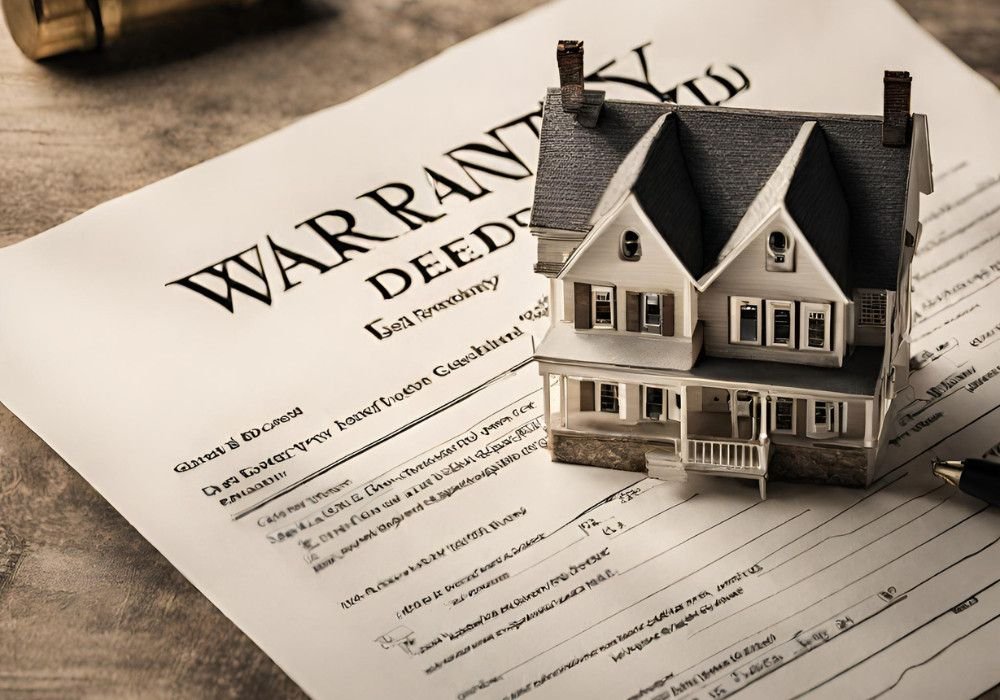
You are reading the warranty deed for your new home and you see language about the seller “warranting” the title, “covenanting” against encumbrances, and promising “quiet enjoyment,” highlights Keyrenter Folsom property management. These are not legal boilerplate. They are enforceable promises from the seller to you. If any of them turns out to be false, the seller is legally responsible for the consequences.
A deed warranty is a legally enforceable promise made by the seller of real property to the buyer about the condition of the title being conveyed. The warranties are the seller’s guarantee that the title is good, that the property is free of undisclosed encumbrances, and that the buyer will not be disturbed in their ownership by someone with a superior claim. The warranties are not optional. They are built into the deed by the type of deed the seller signs.
What a Deed Warranty Actually Is
A deed warranty is a covenant, which is a formal legal promise, made by the grantor to the grantee. If the promise is broken, the grantee can sue the grantor for damages. The warranties in a deed are not insurance. They are personal promises from the seller. If the seller is deceased, bankrupt, or unreachable when a title defect surfaces, the warranties are worthless. This is why title insurance exists alongside deed warranties. The warranties give you a right to sue. Title insurance gives you a source of recovery.
The warranties in a deed are different from the warranties in a consumer product. A toaster warranty promises the toaster will work. A deed warranty promises the title is good. The toaster warranty lasts a year. The deed warranty lasts forever. The toaster warranty is between the manufacturer and the consumer. The deed warranty runs with the land, meaning it benefits not just the original grantee but every subsequent owner who holds title under the same deed, depending on the type of warranty.
The scope of a deed warranty depends entirely on the type of deed. A general warranty deed provides the broadest warranties, covering the entire history of the property. A special warranty deed provides limited warranties, covering only the seller’s period of ownership. A quitclaim deed provides no warranties at all. The deed type is the label on the package. The warranties are what is inside.
The Covenants in a General Warranty Deed
A general warranty deed contains six covenants, divided into two categories. Present covenants are breached, if at all, at the moment the deed is delivered. Future covenants are breached, if at all, when a third party interferes with the grantee’s ownership.
The covenant of seisin is a present covenant. The grantor promises that they own the property and have the right to convey it. If the grantor does not actually own the property because a previous deed in the chain of title was invalid, the covenant of seisin is breached at the moment the deed is delivered. The grantee can sue immediately upon discovering the defect. The statute of limitations for breach of the covenant of seisin begins running at the time of delivery, not at the time the defect is discovered, which is an important distinction in states with short statutes of limitations.
The covenant of the right to convey is a present covenant, closely related to seisin. The grantor promises that they have the legal authority to transfer the property. A grantor can own property without having the right to convey it. A grantor who owns property as a joint tenant with a spouse cannot convey the entire property without the spouse’s signature. A grantor whose property is subject to a court order prohibiting sale does not have the right to convey, even though they own the property. This covenant is breached if such a restriction exists at the time of delivery.
The covenant against encumbrances is a present covenant. The grantor promises that the property is free of undisclosed liens, mortgages, easements, tax assessments, and other claims that reduce the property’s value or restrict its use. This covenant does not cover encumbrances that the grantee knows about and accepts, such as the mortgage the grantee is taking out to purchase the property or a recorded utility easement that appears on the title report. It covers undisclosed encumbrances that the grantee discovers after closing.
The covenant of quiet enjoyment is a future covenant. The grantor promises that the grantee’s possession of the property will not be disturbed by someone with a superior title claim. If a previous owner’s long-lost heir surfaces after closing with a valid ownership claim and a court orders the grantee to vacate, the covenant of quiet enjoyment is breached. The grantee can sue the grantor for the value of the property. This covenant protects against eviction by superior title, not against noisy neighbors or nuisances.
The covenant of further assurances is a future covenant. The grantor promises to cooperate if the grantee needs additional documents to perfect the title. If the deed contains a typographical error in the legal description, the grantor must sign a correction deed. If a missing signature needs to be obtained, the grantor must cooperate. This covenant is the least dramatic but can be critically important when a title defect requires the grantor’s cooperation to resolve, and the grantor has died or disappeared.
The covenant of warranty forever is a future covenant. The grantor promises to defend the title against all lawful claims and to compensate the grantee for any loss resulting from a superior title claim. This is the broadest and most powerful covenant. It obligates the grantor not just to pay damages but to actively defend the title in court if necessary. If a third party sues the grantee claiming ownership of the property, the grantor must provide a legal defense and pay any judgment.
How the Warranties Differ by Deed Type
A general warranty deed provides all six covenants, covering the entire history of the property. The grantor is responsible for title defects created by any previous owner at any time. This is the strongest protection a buyer can receive.
A special warranty deed, also called a limited warranty deed, provides the same six covenants but limits their scope to the grantor’s period of ownership. The grantor warrants against defects that arose while they owned the property. They make no promises about defects that arose before they owned it. This is the standard deed for foreclosure sales, commercial transactions, and estate distributions.
A grant deed, used in California and other western states, provides two implied covenants by statute: that the grantor has not previously conveyed the property to anyone else, and that the property is free of encumbrances created by the grantor. These covenants are implied by law and do not need to be written into the deed. A grant deed provides protection similar to a special warranty deed.
A quitclaim deed provides no covenants of any kind. The grantor does not even promise that they own the property. The quitclaim deed transfers whatever interest the grantor has, if any, with no warranties. It is used for transfers between family members, between divorcing spouses, and for clearing minor title defects. It is never appropriate for an arm’s-length sale to a stranger.
What Happens When a Deed Warranty Is Breached
When a deed warranty is breached, the grantee can sue the grantor for damages. The measure of damages depends on which covenant was breached and the extent of the harm. For a breach of the covenant of seisin, if the grantor did not own the property at all, the grantee can recover the full purchase price plus interest. For a breach of the covenant against encumbrances, the grantee can recover the cost of removing the encumbrance, such as paying off an undisclosed lien. For a breach of the covenant of quiet enjoyment, if the grantee is evicted by a superior title claim, the grantee can recover the value of the property at the time of eviction.
The practical challenge of enforcing deed warranties is finding the grantor and collecting on a judgment. The grantor who signed the deed twenty years ago may be dead, bankrupt, or living in another state with no attachable assets. The warranty is only as good as the grantor’s ability to pay. Title insurance solves this problem by substituting a solvent insurance company for the grantor as the source of recovery. The title insurer pays the claim and then decides whether to pursue the grantor under the deed warranties. The grantee receives compensation regardless of the grantor’s solvency.
The statute of limitations for breach of deed warranties varies by state and by covenant. Present covenants typically have a shorter limitations period because they are breached at the time of delivery. Future covenants typically have a longer limitations period because they are breached when the third-party interference occurs. A grantee who discovers a title defect should consult a real estate attorney promptly. Waiting may mean the statute of limitations expires and the claim is barred.
Frequently Asked Questions
What does a deed warranty actually guarantee?
A deed warranty guarantees that the title being conveyed is valid, that the property is free of undisclosed encumbrances, and that the buyer will not be disturbed in their ownership by someone with a superior claim. The specific guarantees depend on the type of deed. A general warranty deed guarantees the entire history of the property. A special warranty deed guarantees only the seller’s period of ownership. A quitclaim deed guarantees nothing.
How long do deed warranties last?
Forever, in theory. The warranties do not expire. However, the right to sue for breach of warranty is subject to the statute of limitations, which varies by state. Present covenants are typically subject to a shorter limitations period because they are breached at the time of delivery. Future covenants are subject to a longer limitations period because they are breached when the interference occurs. In some states, the limitations period for future covenants is ten to twenty years from the date of the interference.
Do I need title insurance if I have a warranty deed?
Yes. A warranty deed gives you the right to sue the seller. Title insurance gives you a source of recovery from a solvent insurance company. The seller may be dead, bankrupt, or unreachable when a defect surfaces. The warranty deed is a right without a remedy if the seller cannot pay. Title insurance guarantees payment regardless of the seller’s solvency.
Can deed warranties be waived or disclaimed?
Yes. The parties can agree to limit or eliminate the warranties by using a deed that provides narrower warranties or no warranties. A seller who wants to provide no warranties uses a quitclaim deed. A seller who wants to warrant only their own conduct uses a special warranty deed. The deed type determines the warranties. The parties cannot selectively waive individual covenants within a general warranty deed, but they can choose a different deed type that provides the level of warranty protection they are willing to give.
Who can enforce deed warranties?
The original grantee can enforce the warranties. In most states, subsequent purchasers cannot enforce the present covenants in a warranty deed because those covenants are personal to the original grantee. However, future covenants, including the covenant of warranty forever, run with the land and can be enforced by subsequent owners. A person who buys a property ten years after the original warranty deed was signed can sue the original grantor for breach of the covenant of warranty forever if a title defect surfaces. This is one of the reasons general warranty deeds create long-term liability for sellers.
The Short Version
A deed warranty is a legally enforceable promise from the seller about the condition of the title. A general warranty deed provides the broadest promises, covering the entire history of the property. A special warranty deed limits the promises to the seller’s ownership period. A quitclaim deed provides no promises at all.
The warranties are only as good as the seller’s ability to pay. Title insurance is the buyer’s realistic source of recovery if a title defect surfaces. The deed warranties give you a legal claim. Title insurance gives you a check. Both together provide the protection every homebuyer should have. The deed alone is a promise. The title policy is the promise backed by the assets of an insurance company. Know which one you are relying on.