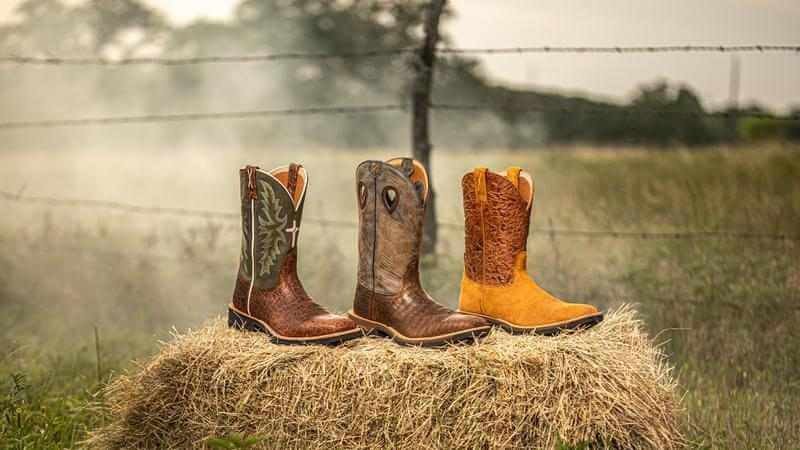
Western boots are built using structured methods that create consistent assembly throughout the boot, and each component follows a defined build process. The build combines stitched assembly, an internal leather lining, and replaceable lower components that function as a single system. Different material types and fastening methods affect shape retention and wear behavior during repeated use. Here are features that reflect the versatility of western boots:
Goodyear Welt Construction
Goodyear welt construction uses a stitched perimeter channel that connects the upper leather, insole structure, and outsole into a layered assembly. The stitching line runs through a welt strip that sits between the upper and sole, creating a mechanical joint rather than a direct bonded surface. The upper structure is separated from the outsole, allowing the bottom part to be removed and replaced without altering the upper design. Stitching around the welt edge spreads force across the seam rather than concentrating it at a single point, helping maintain stability during repeated wear.
Calfskin Leather Lining
Calfskin leather lining appears inside western boots as the internal surface material. The lining extends across the interior from the entry point through the full internal cavity, covering the areas that surround the foot during wear. The same material appears in both men’s and women’s models.
The interior uses leather as the lining material rather than textile-based alternatives. This creates a leather-based internal surface that matches the material approach used on the exterior upper and is durable. The interior layer sits directly against the boot’s internal structure, without additional synthetic lining layers.
Genuine Leather Materials
Western boots use genuine leather hides as the exterior surface across all variations. The structural build remains consistent while exterior hides introduce differences in surface appearance and texture. Leather selection introduces variation without altering the underlying construction integrity. Ostrich leather presents raised quill formations distributed across the upper surface. These raised points create a patterned exterior that contrasts with smoother leather surfaces. Caiman leather features a segmented-scale surface that creates a repeating exterior pattern. Python leather presents elongated scale formations that run in continuous directional lines across the surface.
Replaceable Sole System
Cowhide leather forms the outsole in western boots that share the same lower construction approach across multiple models. The outsole sits at the base of the boot and serves as the ground-contact layer in contact with external surfaces. Stacked leather forms the heel through layered pieces positioned beneath the rear foot. A rubber heel cap sits at the bottom of the heel, where it contacts the ground. It attaches to the heel base and sits alongside the stacked leather layers within the same heel assembly.
Handcrafted Peg Build
Lemonwood pegs form part of the handcrafted sole construction and sit within the leather base during assembly. The pegs secure the stacked leather layers within the lower structure, and they remain fixed in the sole after installation. The build process includes these wooden fasteners as part of the internal construction system.
Brass nails form part of the same sole construction and sit within the lower structure alongside other fastening elements. The nails appear in the heel and base sections, and they integrate into the handcrafted assembly process. The finished sole contains these metal components as part of its internal build.
Hand-driven installation places lemonwood pegs and brass nails into the sole during assembly using manual tools. Manual installation supports direct control over fastener placement during assembly. The method allows each peg and nail to enter the leather at precise points in the sole structure.
Buy Quality Western Boots
Western boots made with stitched leather and replaceable soles are designed to last through regular wear and movement. Welt stitching and stacked heel construction facilitate repeated sole replacement and provide structural stability over long wear. These build choices also keep the boot usable across extended wear periods without altering its core structure. Explore the range of western boots to match different wear conditions and material choices.