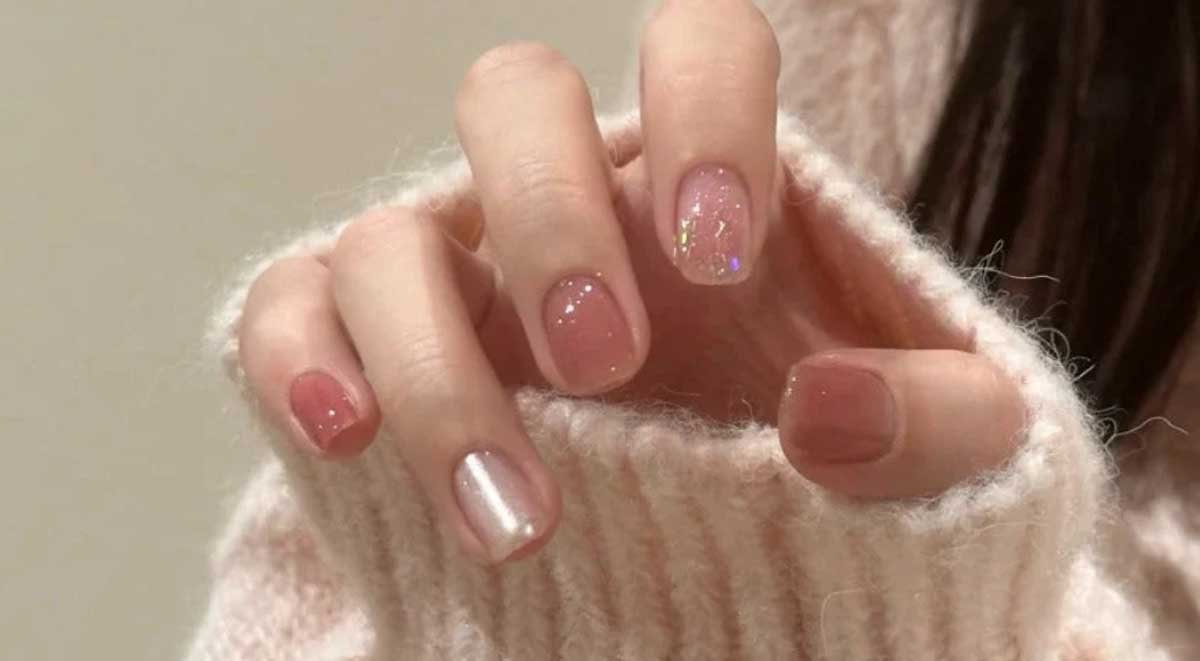
The fastest way to make nail polish last longer is to start with dry, oil-free nails, apply a real base coat, paint thin layers, cap the free edge, and protect the manicure from hot water for the first full day.
Most regular polish chips early for boring reasons: the nail plate was damp, lotion was left behind, the coats were too thick, or the polish touched the cuticle and lifted like a sticker. The fix is not one magic top coat. It is a sequence. If you want to know how to make nail polish last longer, do the small steps in the right order and a regular manicure can often look good for five to seven days, sometimes longer if your nails are short and not constantly in water.
The Quick Routine That Makes the Biggest Difference
For longer wear, treat polish like a flexible coating that needs a clean surface, thin layers, sealed tips, and time to harden. Skipping any one of those steps usually shows up as chips within a day or two.
- Remove old polish fully, then wash and dry your hands.
- Shape the nails before painting. A short squoval or softly rounded edge usually wears better than a sharp corner.
- Push back cuticles gently and remove any polish path that would touch skin.
- Wipe each nail with rubbing alcohol or a dedicated nail cleanser to remove oil and lotion.
- Apply one thin layer of base coat and let it settle for about two minutes.
- Apply two thin color coats, waiting about two to five minutes between coats.
- Use top coat over the whole nail and lightly across the free edge.
- Avoid hot water, steam, hair washing, heavy cleaning, and bed-sheet dents for the first few hours.
The unglamorous step is the wipe-down. A nail can look clean and still have hand cream, cuticle oil, sunscreen, or water sitting on it. Polish does not grip well to that layer, so it peels even if the color and top coat are good.
Prep the Nail Plate So Polish Can Grip
Nail polish lasts longest when the nail surface is dry, smooth, and free of residue. Prep matters more than color choice because adhesion fails at the nail plate first.
Do not soak your nails before regular polish. Soaking softens and slightly swells the nail plate; when the nail dries and contracts later, the polish film has to move with it. That tiny shift can start lifting at the sides or tips. A quick hand wash is fine, but a bath, shower, dishwashing session, or long cuticle soak right before painting is asking a lot from regular lacquer.
File in one general direction if your nails split easily, then lightly smooth snags at the free edge. You do not need to buff the entire nail plate every time. Over-buffing thins the nail, and a thin bendy nail is harder for polish to stay on. If you do buff, use a very fine buffer only to remove obvious ridges or peeling flakes, not to make the nail shiny.
Keep the cuticle area clean, not scraped raw. Polish that sits on cuticle or skin creates a lifted edge. Once that edge catches on hair, a sweater, or a towel, the whole manicure can peel. Use a wooden stick or soft pusher, then wipe the nail again before base coat.
Frequent washing and sanitizing can dry out nails and make them more brittle, according to Cleveland Clinic dermatologist guidance on brittle nails. That matters because brittle edges split under polish, then the polish breaks with them. If your nails are dry, moisturize between manicures, but remove surface oil before painting. Cleveland Clinic
Apply Thin Layers and Seal the Edge
Thin coats last longer because they dry more evenly and flex better with the nail. Thick coats may look glossy at first, but they dent, wrinkle, and lift more easily.
Start with base coat. It is not just a clear layer. Base coat is designed to bond color to the nail and reduce staining. If your polish peels in sheets, test a different base coat before blaming every bottle of color you own. Some nails prefer a sticky base; some flexible or peeling nails do better with a strengthening or ridge-filling base used carefully.
With color, use three strokes when possible: center, side, side. The brush should not be loaded enough to flood the cuticle. Leave the tiniest clean margin around the skin. It may feel fussy the first time, but that hairline gap is one reason salon manicures do not lift as quickly.
Cap the free edge, especially if you type, open cans, wash dishes, or wear polish on short nails. “Capping” means brushing a small amount of polish across the nail tip. You do not need a thick stripe. One thin pass with the final color coat and one thin pass with top coat is usually enough.
“Can you take us through your painting routine? Are you dehydrating your nails? Using a base coat? Using thin coats of color? How many coats? How long you waiting between? Using a top coat? Is it quick dry? It’s hard to know what the issue is without knowing your routine”
– r/RedditLaqueristas, May 2025
That comment is blunt, but it gets the point right. Longevity is usually a routine problem, not a single-product problem.
Let Polish Harden, Not Just Dry to the Touch
Nail polish can feel dry before it has hardened enough for normal life. The first few hours are when sheets, hot water, tight shoes, and chores do the most damage.
Quick-dry top coat helps, but it is not armor. It speeds surface drying and adds gloss, while the lower layers still need time. If you paint at night, finish at least an hour before bed so the polish is not pressed into fabric while still soft. If you always wake up with sheet marks, paint earlier, use thinner coats, or switch to a faster-drying system.
Wait about two to five minutes between thin coats. You do not need to sit for twenty minutes between every layer, but stacking wet polish on wet polish makes one thick, slow-drying film. If the brush drags the previous layer, wait longer.
Skip the hot shower after painting. Heat and water soften the polish film and stress the bond between polish and nail. Cold water tricks and ice bowls can make polish feel firm on the surface, but they do not replace proper drying time. A better habit is simpler: paint when your hands can be boring for a while.
Diagnose Why Your Nail Polish Chips or Peels
The chip pattern tells you what failed. Tip chips point to edge wear, sheet peeling points to adhesion, dents point to thick or under-dried coats, and side lifting points to skin contact or flooding.
| What happens | Likely cause | Best fix next time |
|---|---|---|
| Small chips at the tips | Unsealed free edge, long nails, typing, using nails as tools | Shorten slightly, cap the tip with color and top coat, reapply top coat on day three |
| Polish peels off in sheets | Oil, lotion, water-swollen nails, wrong base coat, or very flexible nails | Paint on dry nails, cleanse before base coat, test a different base, avoid soaking first |
| Dents or fabric marks | Coats are too thick or not hardened before bed | Use thinner coats, wait longer before sleep, avoid heavy top-coat blobs |
| Lifting near cuticles | Polish touched skin or cuticle | Leave a tiny margin, clean edges before top coat, avoid flooding the base of the nail |
| Cracks across the nail | Nail bends, splits, or is dry underneath | Keep nails shorter, oil between manicures, consider a flexible strengthening base |
If one nail always chips first, look at how you use that finger. The index finger and thumb usually take the hit from phone cases, boxes, soda tabs, keys, and shampooing. A spoon handle for pull tabs and scissors for packaging sound excessive until your manicure stops losing the same corner every time.
Make Polish Last on Soft, Peeling, or Flexible Nails
Soft nails need a slightly different strategy because polish cracks when the nail bends underneath it. The goal is flexible support, not simply the hardest coating you can find.
If your nails bend easily, keep them shorter while you troubleshoot. Length adds force at the tip. Every tap against a keyboard or countertop bends the free edge, and regular polish can only flex so much before it separates.
Try a base coat designed for your nail type. A sticky base may help healthy nails hold color, while a strengthening base may help bendy nails resist flexing. Be cautious with hardeners, especially if your nails are already brittle. The U.S. Food and Drug Administration notes that some nail hardeners contain formaldehyde or related ingredients, and frequent use can make nails brittle or more likely to break or peel in some people. U.S. Food and Drug Administration
“In my case the problem was very soft nails – they flexed so much that polish would chip right off.”
– r/RedditLaqueristas, September 2025
That is the missing clue for a lot of people. If the nail itself is moving too much, better polishing technique helps, but nail condition and length still matter. Oil your nails and cuticles after the manicure is dry, not before painting. Between manicures, give peeling areas time to grow out instead of buffing them thinner every week.
Protect the Manicure From Water, Heat, and Daily Wear
Aftercare is where a good manicure either survives or quietly gives up. Hot water, detergents, alcohol, rough cleaning, and using nails as tools all shorten polish wear.
Wear gloves for dishes and cleaning. Not glamorous, very effective. Hot soapy water gets under small lifted areas and turns them into bigger lifted areas. Detergents also dry the nail and surrounding skin, which makes peeling and splitting more likely over time.
Reapply top coat every two or three days if you want the manicure to stretch. Keep it thin and cap the edge again. Too much top coat can create a bulky rim, so think of it as a refresh layer, not a second manicure.
Use cuticle oil after the polish has hardened. Dry polish on a dry, splitting nail is not a stable partnership. Oil around the nail helps the surrounding skin stay flexible and can reduce the ragged edges that catch and start peeling. Just keep oil away from bare nails before your next manicure.
- Use gloves for dishes, cleaning sprays, and long bathroom scrubbing sessions.
- Open cans with a spoon or tool instead of a polished nail.
- Use the pads of your fingers, not nail tips, when typing or texting hard.
- Wash hair with fingertips or a silicone scalp brush if polish always chips in the shower.
- Carry a small top coat only if you can apply a thin, clean layer.
Product Choices That Matter, and Ones That Matter Less
The most important products are base coat and top coat. Expensive color polish can still chip quickly if the base does not match your nails or the top coat stays soft.
Choose base coat by problem. For peeling polish, try a sticky bonding base. For ridged nails, try a ridge-filling base. For soft nails, consider a strengthening base, but avoid treating every manicure like a repair treatment unless your nails tolerate it. If irritation, redness, itching, or worsening peeling appears, stop using the product and check the label.
Choose top coat by lifestyle. Quick-dry top coats are useful when you need the manicure touch-dry fast. Gel-like regular top coats can give cushion and shine, but some take longer to harden. If you work with sanitizer, cleaning chemicals, or frequent handwashing, test wear over a normal week instead of judging by first-day gloss.
Color can matter a little. Sheer, nude, shimmer, and softer shades often make tip wear less obvious. Very dark cremes show every chip. That does not mean dark polish cannot last; it just needs cleaner prep because the first flaw is easier to see.
A Simple Seven-Day Wear Plan
A regular manicure lasts longer when each day has a small job. The point is not constant maintenance; it is preventing one tiny lift from becoming a full peel.
| Day | What to do | Why it helps |
|---|---|---|
| Day 0 | Prep dry nails, use base coat, thin color, top coat, and sealed tips | Builds the polish film correctly from the start |
| Day 1 | Avoid hot water and heavy chores when possible | Gives lower layers more time to harden |
| Day 2 | Use cuticle oil around the nail, not under lifted polish | Reduces dry edges and hangnails that catch |
| Day 3 | Add one thin top-coat refresh and cap the tips | Reinforces the highest-wear edge |
| Day 4-5 | Patch tiny chips with color, then top coat | Stops water from getting under the polish |
| Day 6-7 | Remove if lifting starts instead of peeling it off | Protects the nail surface for the next manicure |
The quiet rule: remove polish when it is failing. Peeling it off may take nail layers with it, which makes the next manicure last even less. That is how a one-week polish problem turns into a six-week nail problem.
FAQ
How long should regular nail polish last?
Regular nail polish usually lasts about five to seven days with good prep and aftercare, though soft nails, long nails, and frequent water exposure can shorten that window.
How long should I wait between nail polish coats?
Wait about two to five minutes between thin coats. If the next brush stroke drags or wrinkles the previous layer, the polish needs more time.
Why does my nail polish peel off in sheets?
Polish usually peels in sheets because it did not bond well to the nail. Common causes include oil, lotion, damp nails, thick coats, cuticle flooding, or a base coat that does not suit your nails.
Does wiping nails with vinegar make polish last longer?
A vinegar wipe may remove some residue, but rubbing alcohol or a nail cleanser is more predictable. The real goal is an oil-free nail plate before base coat.
Should I reapply top coat every day?
You do not need daily top coat. Reapply one thin layer every two or three days, especially across the tips, so the manicure stays protected without becoming thick.
What ruins nail polish the fastest?
Hot water, thick coats, skipped base coat, polish on cuticles, and using nails as tools are the fastest ways to ruin regular nail polish.
What is the best way to make nail polish last longer at home?
The best way to make nail polish last longer at home is to combine dry prep, base coat, thin color, sealed tips, top coat, and gentle aftercare instead of relying on one product.
The Practical Takeaway
If you only change three things, make them these: paint on dry cleansed nails, use thin layers with base and top coat, and protect your hands from hot water for the first day. That routine is less exciting than buying another bottle, but it is the difference between polish that chips by Tuesday and polish that still looks intentional at the end of the week.