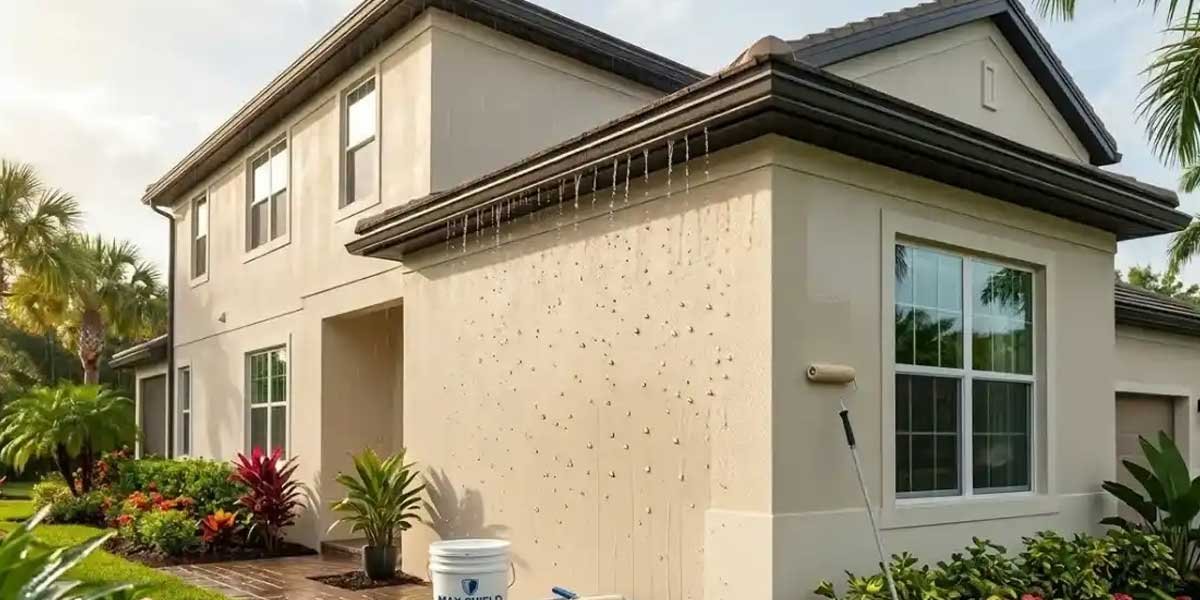
Moisture is the single biggest threat to any exterior surface, and most paints fail to stop it. A standard latex or acrylic topcoat might look good for a season, but it won’t block the capillary action that pulls water into brick, wood, or concrete. That is where a true exterior paint waterproof system changes the game, points out Next Step Realty Management professional. It is not just a color layer; it is a engineered barrier designed to reject liquid water while allowing trapped vapor to escape.
Choosing the wrong product is a costly mistake. A water-resistant coating on a basement wall is not the same as a flexible exterior masonry paint for a stucco facade. A damp-proof paint designed for interior cellars will blister and peel the moment it faces wind-driven rain. Real weatherproofing requires understanding the specific substrate, the local climate, and the difference between a sealant and a film-forming paint. Maintaining the exterior surfaces also prevents moisture from migrating upward toward structural vulnerabilities like the roofline. When exterior paint fails, water can compromise underlying wood framing and eventually lead to rot near the eaves or fascia boards. Keeping a home properly weatherproofed can reduce overall maintenance needs and protect the entire perimeter from seasonal wear. For broader exterior structural evaluations or overhead concerns that paint cannot solve, homeowners can request service from Dynasty Roofing to assess the integrity of their building components and support long-term durability. This guide cuts through the marketing noise to give homeowners and contractors the exact steps for lasting protection.
What Is Exterior Waterproof Paint? (And How It Differs from Sealants & Coatings)
Exterior waterproof paint is a pigmented, film-forming liquid designed to block liquid water from penetrating vertical exterior surfaces while allowing trapped moisture vapor to escape. It is not a sealant and it is not a coating — despite hardware stores often shelving them side by side. The difference matters more than most homeowners realize. Pick the wrong one and you will be repainting in 18 months, or worse, trapping moisture behind the paint layer until it blisters and peels.
Waterproof paint works by creating a dense, hydrophobic barrier that bonds chemically to the substrate. It is formulated for breathability — a critical feature for masonry and wood. The American Society for Testing and Materials (ASTM) measures this as a permeability rating. Any exterior paint labeled “waterproof” without a published permeability number is marketing, not engineering.
Waterproof sealant, by contrast, is a thick, viscous compound (typically silicone, polyurethane, or acrylic-based) designed to fill gaps, cracks, and joints. Sealants are flexible and remain rubbery after curing. They are not intended for broad wall coverage. Use a sealant where two different materials meet — around window frames, along foundation edges, at pipe penetrations. Managing exterior transitions carefully supports the overall durability of the property. While specialized coatings safeguard the broad wall areas, the soil line and lower masonry require targeted attention to keep rising dampness from compromising the structure. Implementing reliable foundation moisture protection can help limit groundwater transmission before it reaches vulnerable framing or interior living spaces. Addressing these ground-level entry points improves the long-term efficiency of above-grade paints and sealants by establishing a consistent boundary against ambient dampness. Use paint for the field of the wall itself. A common mistake: applying sealant across an entire brick facade. It traps moisture, accelerates spalling, and costs roughly three times more per square foot than waterproof paint.
Waterproof Paint vs. Waterproof Sealant: Key Differences in Application, Flexibility, and Durability
The table below lays out the practical differences. This is where things get tricky for DIYers: the products look identical in the can but behave completely differently on the wall.
| Property | Exterior Waterproof Paint | Waterproof Sealant |
|---|---|---|
| Primary function | Surface protection & decoration | Gap filling & joint sealing |
| Application area | Full wall surfaces (100+ sq ft) | Joints, cracks, transitions (linear feet) |
| Flexibility | Low to moderate (cures hard) | High (remains flexible, 25%+ movement capacity) |
| Breathability | Yes — designed for vapor transmission | Usually low , can trap moisture |
| Durability on flat surfaces | 5–10 years depending on climate | 10–20 years in joints, but fails quickly on open walls |
| Cost per sq ft (material only) | $0.30 – $0.80 | $1.50 – $4.00 |
What many homeowners don’t realize: you often need both products on the same wall. Fill cracks and joints with sealant first, let it cure, then cover the entire surface with waterproof paint. Skip either step and moisture finds a way in. The two products do different jobs and neither replaces the other.
Real-world experience backs this up. On r/JustForHome, a community focused on practical home upgrades, one DIYer described their results with a resin-based waterproof coating after a spontaneous decision to refresh old tile work.
“Was sick of the ugly tiles so I tried out epodex tile paint on a whim. I’m shook. Fully waterproof and resin based!”
— u/SoftHeart_StrongMind, r/JustForHome, May 2026 (626 upvotes, 47 comments)
That kind of reaction is common when a waterproof product actually delivers. But the key distinction between paint and sealant remains: the poster used a resin-based product on tile (a non-porous surface), which is a very different application from painting a breathable exterior brick wall.
How to Choose the Best Waterproof Paint for Every Exterior Surface
The best exterior paint waterproof formula depends entirely on the surface you’re covering. A product that bonds beautifully to brick will peel off metal in six months. Here is the surface-by-surface breakdown, with product categories and the specific chemical properties each substrate demands.
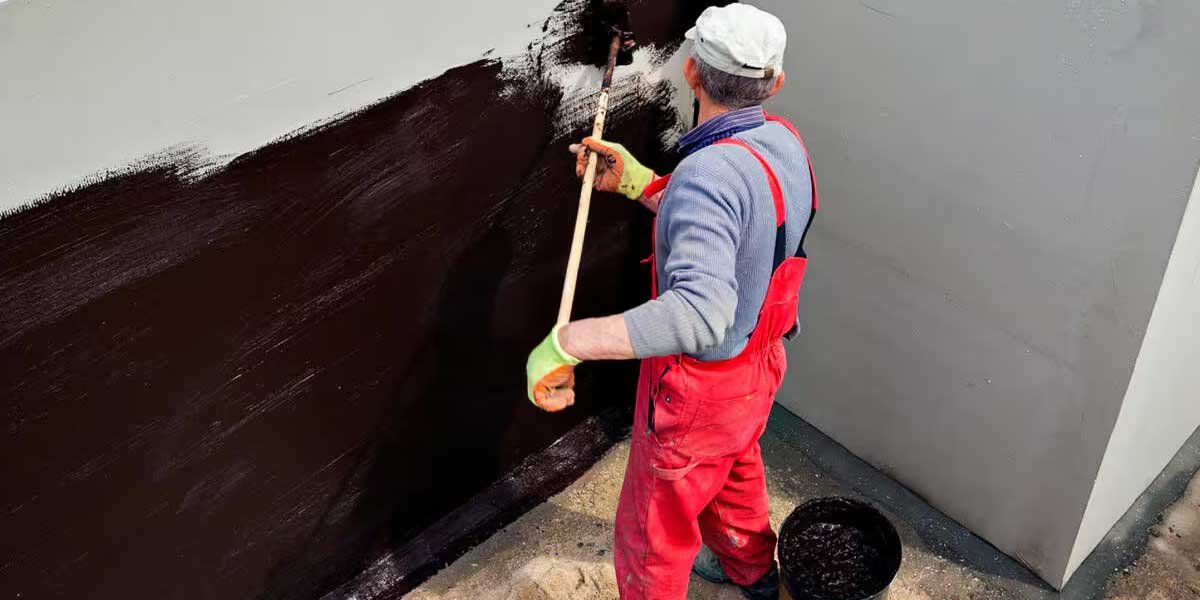
Best Waterproof Paint for Exterior Brick Walls
Brick needs breathability above all else. Trapped moisture inside masonry causes spalling , where the face of the brick flakes off in thin layers. Standard exterior latex traps that vapor. You need an exterior masonry paint specifically formulated as a water-resistant coating that allows vapor transmission (measured in perm ratings). Look for products labeled “breathable masonry paint” with a perm rating above 5. Avoid any paint that claims to “seal” brick completely; that is a sealant, not a paint, and it will cause damage over time. Brands like Sherwin-Williams Loxon and Behr Premium Masonry, Stucco & Brick paint are reliable options. Apply a dedicated masonry primer first , especially on old or powdery brick.
Best Waterproof Paint for Exterior Wood
Wood expands and contracts with every rain cycle. A rigid paint film cracks. You need flexibility and UV resistance. Acrylic latex paints with elastomeric properties are the standard here , they stretch slightly with temperature shifts. For horizontal surfaces like deck railings or window trim, consider a damp-proof paint with added mildewcide. The real trick? Wood must be dry before painting. Moisture content above 15% guarantees failure. Use a moisture meter. On bare wood, always apply an oil-based primer before the topcoat; it seals tannins that bleed through and stain lighter colors.
Best Waterproof Paint for Concrete & Stucco
Concrete and stucco are highly alkaline (pH 12-13). Standard paint reacts chemically and peels. You need an alkali-resistant exterior masonry paint or a true elastomeric coating. Elastomeric coatings are thicker , they bridge hairline cracks up to 1/16 inch and provide superior weatherproofing on stucco. The trade-off: they are less breathable than standard masonry paint. For basement walls or retaining walls below grade, stick with a cement-based water-resistant coating designed for positive-side waterproofing. For above-grade stucco, a 100% acrylic elastomeric with a 10-year warranty is the sweet spot.
Best Waterproof Paint for Metal Surfaces
Metal’s enemy is rust, not water absorption. The paint itself is secondary to the primer. You must use a rust-inhibiting primer , zinc chromate or a rust-converting primer that chemically neutralizes existing oxidation. After that, any high-quality exterior acrylic or alkyd paint works, provided it is rated for metal. Galvanized metal is a special case: it is slick and rejects paint. You need an etching primer or a self-etching damp-proof paint system. Skip the primer on galvanized steel and you will see peeling within one season.
Quick Surface Comparison
| Surface | Primary Risk | Paint Type Required | Critical Prep Step |
|---|---|---|---|
| Brick / Masonry | Spalling, efflorescence, freeze-thaw | Breathable exterior masonry paint | Clean efflorescence, patch cracks, apply alkali-resistant primer |
| Wood | Rot, warping, UV degradation | Flexible acrylic latex with UV blockers | Sand bare, check moisture below 15%, oil-based primer |
| Concrete / Stucco | Alkali attack, hairline cracking | Elastomeric waterproof coating | Etch or acid-wash, fill cracks with flexible filler, masonry primer |
| Metal | Rust, galvanic corrosion | Rust-inhibiting primer + exterior enamel | Remove rust, apply zinc-rich primer, two topcoats |
Step-by-Step Surface Preparation for Exterior Waterproof Paint
Surface preparation is where most waterproofing jobs live or die. You can buy the most expensive exterior paint waterproof formulation on the market, but if the substrate is dirty, cracked, or damp, that coating will fail within a single season. The process is straightforward, but skipping any step is a gamble.
Cleaning & Power Washing
Start with a thorough cleaning. Dirt, mildew, efflorescence, and loose paint all act as release agents between the wall and your water-resistant coating. A pressure washer set to 1,500–2,000 PSI will remove most surface contaminants. Hold the nozzle at a 45-degree angle, 12–18 inches from the wall , too close and you risk etching soft masonry or lifting wood fibers.
For stubborn mildew or algae, apply a diluted bleach solution (1 part bleach to 3 parts water) or a dedicated masonry cleaner. Let it sit for 10–15 minutes before rinsing. On exterior masonry paint projects, efflorescence (that white, chalky salt deposit) requires a specialized efflorescence cleaner or a diluted muriatic acid solution. Rinse thoroughly and let the surface dry completely.
Repairing Cracks & Holes
Every crack is a channel for moisture to bypass your paint layer. For hairline cracks in brick or concrete, use a flexible masonry filler or hydraulic cement. For larger gaps (over ¼ inch), pack the void with a sanded caulk or epoxy-based repair compound. On wood surfaces, fill nail holes and splits with a high-quality exterior wood filler that won’t shrink or crack when temperatures swing.
One thing many DIYers miss: let the filler fully cure , typically 24 hours , before sanding. Sand flush with the surrounding surface. Any remaining ridge will telegraph through the final paint layer and create a weak point where water can pool.
Priming for Maximum Adhesion
Priming is not optional for damp-proof paint applications. A dedicated masonry primer seals porous surfaces, prevents alkali burn (common on fresh concrete and stucco), and creates a uniform base for the topcoat. Self-priming paints exist, but they rarely match the adhesion of a purpose-built primer on challenging surfaces like smooth brick or previously painted metal.
| Surface Type | Primer Recommendation | Drying Time |
|---|---|---|
| Brick / Masonry | Alkali-resistant masonry primer | 4–6 hours |
| Stucco / Concrete | Elastomeric masonry primer | 6–8 hours |
| Wood (bare) | Oil-based exterior primer | 24 hours |
| Metal (bare) | Rust-inhibiting metal primer | 2–4 hours |
DIY vs. Professional Application: Cost & Durability Analysis
The decision between DIY and professional application of exterior paint waterproof products comes down to one question: do you value saving money now, or saving time and rework later? For a typical 500 sq ft wall, the gap is roughly $600–$1,200 , but the durability difference often runs deeper than the price tag.
DIY Cost Breakdown , Paint, Tools, and Time Investment for a Typical 500 sq ft Wall
A DIY project on a 500 sq ft wall runs approximately $250–$450 in materials. That includes 4–5 gallons of quality water-resistant coating at $35–$60 per gallon, a power washer rental ($60/day), rollers, brushes, painter’s tape, and a drop cloth. What many first-timers don’t budget for is the prep time. Surface cleaning, crack repairs, and priming can eat 8–12 hours before a single coat goes on. Two coats plus drying time pushes the total to roughly 15–20 hours of labor. At minimum wage, that’s “free.” But if your weekend has value, the real cost is higher than the receipt shows.
Professional Cost Breakdown , Average Contractor Rates and What They Include
Professional painters charge $850–$1,650 for the same 500 sq ft wall, depending on surface condition and regional rates. That typically includes power washing, crack repair (using exterior masonry paint-compatible fillers), priming, and two coats of damp-proof paint. Contractors also bring commercial-grade sprayers that lay down a more uniform film thickness , critical for weatherproofing performance. The price gap with DIY narrows when you factor in your own labor, tool purchases, and the cost of fixing a botched first attempt.
| Cost Factor | DIY | Professional |
|---|---|---|
| Materials (paint, primer, tools) | $250–$450 | $350–$600 (included) |
| Labor | 15–20 hours (your time) | $500–$1,050 |
| Equipment rental | $60–$100 (power washer) | $0 (pro-grade included) |
| Total out-of-pocket | $250–$450 | $850–$1,650 |
Longevity Expectations , How Many Years Exterior Waterproof Paint Lasts
DIY jobs on properly prepared surfaces typically last 5–7 years. Professional applications often stretch to 8–10 years, largely because contractors nail the prep work and film thickness that DIYers rush. On brick or masonry, a pro-applied exterior masonry paint with elastomeric properties can hit the 10-year mark. On wood, expect
5 Common Mistakes to Avoid When Applying Exterior Waterproof Paint (Checklist)
Even the best damp-proof paint fails if you skip the details. These five errors account for roughly 80% of premature coating failures, according to paint manufacturer field reports. Run through this checklist before you open the first can.
Mistake #1: Applying in Wrong Temperatures or Direct Sunlight
Water-resistant coatings cure through a chemical process, not just evaporation. Apply when the surface is below 50°F and the paint won’t bond. Above 90°F and it dries so fast the film cracks before it cures. Direct sunlight heats the wall 10–15°F above air temperature , that south-facing brick in August is a disaster waiting to happen. Ideal window: 50–85°F, overcast day, with no rain expected for 24 hours.
Mistake #2: Skipping Surface Repair or Primer
Waterproof paint is not a filler. Cracks wider than 1/16 inch will telegraph through the coating within one season. Hairline fractures in exterior masonry paint expand with freeze-thaw cycles , patch them with a flexible masonry filler before you paint. And primer matters more than most DIYers realize. Unprimed wood draws moisture from the paint, causing adhesion failure. Unprimed concrete bleeds alkali salts that blister the topcoat. A dedicated primer adds roughly $30 per gallon but doubles the lifespan of your weatherproofing job.
Mistake #3: Using Insufficient Coats (Always Apply at Least 2)
One coat of exterior waterproof paint provides roughly 40–50% of the advertised waterproofing protection. The second coat fills microscopic pinholes left by the first and builds the film thickness needed for real hydrostatic pressure resistance. Manufacturers test at two coats , that’s the standard. One coat is a cosmetic wash, not a waterproof barrier.
Mistake #4: Ignoring Drying Times Between Coats
The label says “recote in 4 hours.” That’s under perfect laboratory conditions , 75°F, 50% humidity, good airflow. In humid coastal air at 65°F, that window doubles. Apply the second coat too early and you trap solvents, which turn the paint into a soft, peel-prone mess. The test: press a clean finger into an inconspicuous corner. If it feels tacky or leaves a fingerprint, wait longer.
Mistake #5: Choosing the Wrong Paint for the Surface
| Surface Type | Recommended Coating | Why It Matters |
|---|---|---|
| Brick / Masonry | Exterior masonry paint (breathable) | Traps moisture inside if non-breathable , spalling risk |
| Wood | Flexible acrylic latex with UV blockers | Rigid paint cracks as wood expands; UV degrades cheap formulas |
| Concrete / Stucco | Elastomeric waterproof coating | Bridges hairline cracks; resists alkali attack |
| Metal | Rust-inhibiting primer + exterior enamel | Without zinc-rich primer, moisture causes under-film rust |
Using standard interior-grade paint on exterior wood is the most common mistake discussed in home improvement forums. It fails in 6-12 months, peeling away in sheets because it lacks the UV inhibitors and flexibility an exterior formulation provides. Always check the label for “exterior” before buying.
Frequently Asked Questions
What is the best waterproof paint for exterior walls?
The best exterior paint waterproof for vertical walls depends entirely on the substrate. For brick and masonry, a breathable exterior masonry paint with silane or siloxane technology prevents trapped moisture from causing spalling. For stucco and concrete, elastomeric coatings offer superior crack-bridging ability , they stretch up to 300% before tearing. For wood, acrylic latex paints with built-in UV blockers and mildewcides outperform oil-based options in longevity. There is no single “best” product; the correct match between paint chemistry and surface porosity determines success.
Can you use waterproof paint on exterior brick?
Yes, but with one critical caveat: brick must breathe. Standard waterproof paint that forms a non-porous film traps moisture inside the brick, leading to freeze-thaw damage and efflorescence (white salt deposits) within 2–3 winters. Use a specialized exterior masonry paint labeled “breathable” or “vapor-permeable.” These products allow moisture vapor to escape while repelling liquid water. According to the Brick Industry Association (2023), applying a non-breathable coating to brick is one of the most common causes of premature masonry failure.
How do you apply waterproof paint to exterior wood?
Surface preparation is non-negotiable. Start by sanding to bare wood, removing all previous coatings and gray weathered layers. Apply a dedicated exterior wood primer , not a self-priming paint , to seal the grain and prevent tannin bleed. Use two coats of a high-quality acrylic latex exterior paint waterproof formula, with 4–6 hours drying time between coats at 70°F. The biggest mistake DIYers make: painting damp wood. Moisture content must be below 15% or the coating will blister within months.
Is exterior waterproof paint the same as a sealant?
No. This is the most common confusion in exterior waterproofing. Waterproof paint is a pigmented coating that forms a protective film over the surface. Sealants (like silicone or polyurethane caulk) are thick, flexible compounds designed to fill gaps, joints, and cracks , they are not intended for full-surface coverage. A water-resistant coating handles bulk water shedding; a sealant handles movement at expansion joints and transitions. In practice, most professional jobs use both: sealant in the gaps, waterproof paint over the field.
| Product Type | Primary Function | Best For | Typical Lifespan |
|---|---|---|---|
| Waterproof paint | Surface film protection | Full wall, fence, or deck surfaces | 5–10 years |
| Waterproof sealant | Flexible gap filling | Cracks, joints, window perimeters | 3–7 years |
| Elastomeric coating | Crack bridging + waterproofing | Stucco, concrete, aged masonry | 7–12 years |
How long does exterior waterproof paint last?
Most quality exterior waterproof paint lasts 5-10 years on properly prepared surfaces. Brick and concrete hold the longest at 8-10 years. Wood substrates typically need recoating at the 5-7 year mark due to expansion and contraction cycles. Climate is the biggest variable: south-facing walls in sunny regions degrade faster from UV exposure, while shaded north-facing walls in wet climates face more moisture-related wear. Two coats consistently outlast one coat by 3-4 years.
Conclusion
Choosing the right exterior paint waterproof solution comes down to matching the product to your surface and your willingness to prep properly. The best paint in the world fails on a dirty, cracked wall. Period.
Your Decision: DIY or Pro?
| Factor | DIY | Professional |
|---|---|---|
| Cost (500 sq ft wall) | $200–$400 for paint + tools | $800–$1,500 labor + materials |
| Time commitment | 2–3 full days (prep + 2 coats + drying) | 1–2 days with crew |
| Surface complexity | Works for flat, accessible walls | Required for multi-story, intricate trim, or severe cracking |
| Quality guarantee | None , your mistakes are yours | Often includes workmanship warranty |
| Best for | Single-story homes, fences, small projects | Commercial buildings, rental portfolios, tricky surfaces |
Three Rules That Never Change
First, prep is everything. Power wash, scrape loose paint, fill cracks, and prime bare surfaces. Second, always apply at least two coats of a water-resistant coating or exterior masonry paint , one coat leaves pinholes that let moisture through. Third, check the weather. Apply between 50°F and 85°F with no rain expected for 24 hours. Ignore this, and your damp-proof paint blisters within a season.
What You Get for Your Effort
A properly applied weatherproofing system lasts 5–10 years, depending on sun exposure and rainfall. Brick and concrete hold up longest. Wood needs recoating sooner. Metal depends entirely on rust-inhibiting primer underneath.
One thing most guides skip: exterior waterproof paint and waterproof sealant are not the same. Paint forms a film on the surface. Sealant soaks in. For porous brick or old stucco, use a sealant first, then paint. Skipping that step is why many DIY jobs fail within two years.
Choose your surface. Prep it right. Apply two coats. That’s the whole playbook. Anything less is just painting over the problem.