
You’re about to wire your life savings into a house you’ve seen for maybe 45 minutes. The home inspection is the only thing standing between you and a $15,000 foundation repair you never saw coming. A thorough home buying inspection checklist does not just find leaky faucets — it uncovers the hidden deal-breakers that turn a dream home into a financial sinkhole, explains RentWise Property Company Reston.
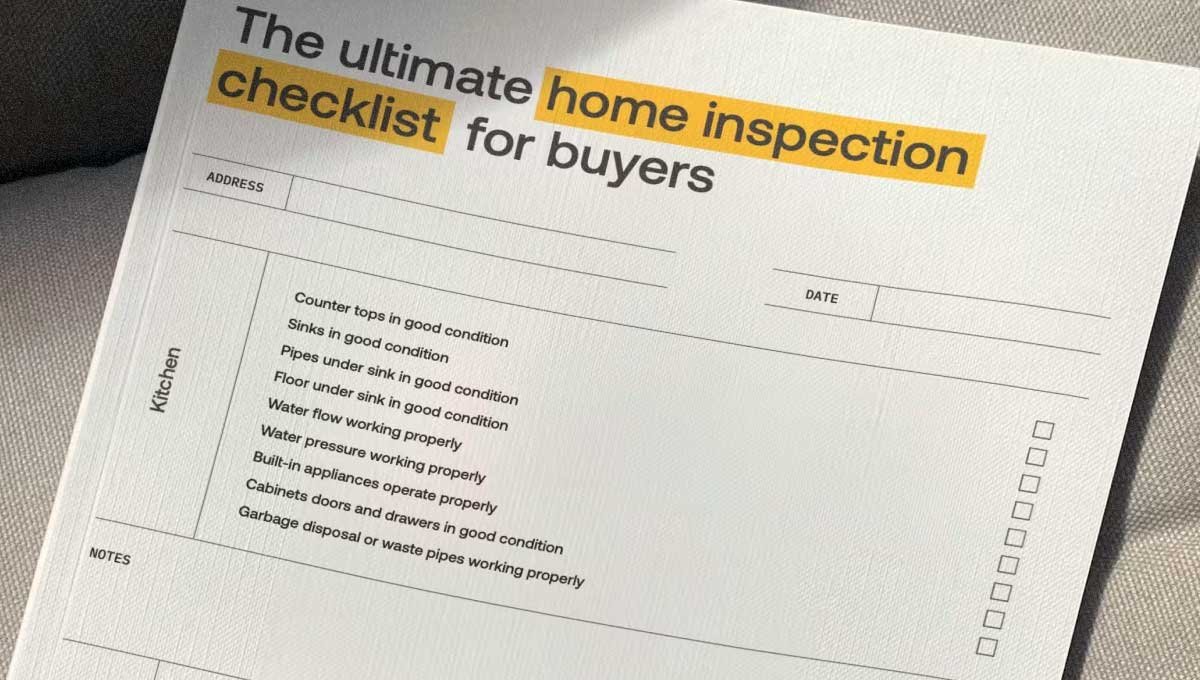
This guide gives you a complete, printable home buying inspection checklist to take on-site, plus the negotiation playbook you need to use those findings. You will learn exactly how to evaluate structural integrity, assess the HVAC system, and leverage the home inspection contingency to protect your investment. No fluff. No guesswork. Just the room-by-room system that experienced buyers and real estate investors use to close with confidence.
Why a Home Inspection Is Non-Negotiable (Even in a Hot Market)
A home inspection is the most powerful risk-management tool a buyer has — not an optional expense to waive to make an offer more attractive. According to the American Society of Home Inspectors (ASHI), a standard inspection covers over 1,600 items and systems.
Skipping it to save $400-$600 routinely leads to $10,000 or more in surprise repairs. In a competitive market, the pressure to waive your inspection contingency is intense — but the data shows that decision backfires far more often than it wins.
Inspection vs. Appraisal — What’s the Difference?
An appraisal and an inspection serve two completely different purposes, yet first-time buyers frequently confuse them. An appraisal is required by your lender. It answers one question: is the property worth the loan amount? The appraiser walks through for 20-30 minutes, compares recent sales, and delivers a value opinion to the bank. They do not test outlets, check the furnace, or climb into the attic.
A home inspection is for you. The inspector evaluates structural integrity, HVAC system performance, plumbing, electrical safety, roof condition, and moisture intrusion. They spend 2-4 hours on-site and produce a detailed report. An appraisal can come back at full value while the house has a failing sewer line and a cracked heat exchanger. The bank does not care. You should.
The Real Cost of Skipping an Inspection
“I waived the inspection to beat three other offers. Six months later the roof was leaking in three places and the HVAC died. That $500 I saved cost me $18,000.”
— r/FirstTimeHomeBuyer, August 2023 (407 comments)
The math is brutal but simple. A typical inspection costs $400-$600. A new roof averages $9,000-$12,000 according to Remodeling Magazine’s 2024 Cost vs. Value Report. A failed HVAC replacement runs $5,000-$10,000. Foundation repairs start at $4,000 and can exceed $20,000.
The trade-off is a 30x-50x multiplier on risk. In practice, buyers who waive the inspection contingency often discover problems during the first winter when the furnace fails or the first heavy rain when the basement floods — long after the window to negotiate has closed.
Your Room-by-Room Home Inspection Checklist
A thorough home inspection takes two to three hours for a single-family home, according to the American Society of Home Inspectors (ASHI, 2024). During that time, a professional examines hundreds of components. This checklist mirrors what they check, organized by area, so you know exactly what to look for and why each item matters during your walkthrough.
Exterior and Roof
Start outside and work your way in. The exterior is your first line of defense against water and weather damage.
| Component | What to Look For | Why It Matters |
|---|---|---|
| Siding and Trim | Cracks, rot, gaps, or peeling paint; soft spots when pressed | Compromised siding allows moisture intrusion, leading to wood rot and mold behind walls |
| Roof Shingles | Missing, curled, or cracked shingles; granules in gutters | A roof with widespread granule loss is nearing end-of-life (typically 20-25 years for asphalt) |
| Gutters and Downspouts | Clogs, sagging sections, downspouts that do not extend 4-6 feet from foundation | Poor drainage saturates soil against the foundation, increasing risk of basement leaks |
| Flashing and Chimney | Lifted or rusted flashing around vents and chimney; cracked chimney crown or missing cap | Failed flashing is the #1 source of attic and ceiling leaks; an uncapped chimney invites animals and water |
| Grading and Drainage | Soil that slopes toward the house; standing water near the foundation after rain | Improper grading directs water toward the structure, which can overwhelm foundation waterproofing |
One thing many first-time buyers overlook: check the driveway and walkways for large cracks or settlement. If concrete slabs have shifted more than half an inch, it may indicate expansive soil or poor compaction, which can also affect the foundation.
Foundation and Basement/Crawlspace
This is where structural integrity inspection begins. Walk the full perimeter of the basement or crawlspace. Look for horizontal cracks in poured concrete walls, those are more serious than vertical hairline cracks, which often result from normal settling. Vertical cracks wider than 1/4 inch warrant an engineer’s evaluation.
Check for efflorescence, the white chalky powder on concrete walls. It indicates water has evaporated through the masonry, meaning moisture is present. Active water stains or puddles on the floor suggest a drainage problem, not a one-time event.
When these signs of moisture appear, evaluating structural elements early can prevent more significant shifting and cracks over time. Securing a reliable waterproofing service in California, MD helps protect the lower levels of a property from groundwater intrusion. Managing this moisture effectively supports long-term foundation health and limits the risk of deterioration in surrounding building materials.
In crawlspaces, look for standing water, damp insulation, and pest droppings. Vapor barriers should be intact and covering the entire ground surface. If you see exposed dirt, moisture from the ground is evaporating into the space, which promotes mold and wood rot in floor joists.
Interior Rooms (Kitchen, Bathrooms, Bedrooms, Living Areas)
Work room by room and test every accessible component. In the kitchen, turn on both faucets and check water pressure. Run the garbage disposal while filling the sink, then check for leaks under the cabinet. Open and close all cabinet doors, misaligned doors on a newer home can indicate the house has shifted.
In bathrooms, test the toilet flush. A wobbly toilet often means a broken wax seal, which can leak water into the subfloor with every flush. Check for soft spots on the floor around the toilet and shower. Use a small level on countertops, if they slope, the floor may be uneven.
For all rooms: open and close every window. Sticking windows suggest the frame has shifted. Test every electrical outlet with a simple plug-in tester (buy one for $10 before your walkthrough). Check that light switches work and that ceiling fans do not wobble excessively. Look for water stains on ceilings, especially below bathrooms.
Major Systems (HVAC, Electrical, Plumbing)
This section requires the most attention because system failures are expensive. For the HVAC system evaluation, note the manufacturer date on the furnace and air conditioner nameplate. A forced-air furnace typically lasts 15-20 years; central AC units last 10-15 years. Ask for service records, annual maintenance extends lifespan significantly.
Consistently scheduling this upkeep supports system efficiency and limits the risk of sudden operational failures when seasonal demands peak. Homeowners interested in optimizing their indoor climate control can find more details on standard practices to ensure lasting unit performance.
Check the electrical panel. It should be labeled clearly (each breaker should indicate what it controls). Look for rust or corrosion inside the panel, which indicates past moisture. Federal Pacific and Zinsco panels are known fire hazards, if you see either brand, budget $2,000-$4,000 for a full panel replacement and make it a condition of closing.
Red Flags That Should Make You Walk Away
A home inspection contingency protects you from buying a money pit. Some problems are cosmetic. Others threaten the structure, your safety, or your finances. Knowing which is which separates a smart deal from a costly mistake.
Structural and Safety Deal-Breakers
Foundation cracks wider than 1/4 inch are a non-negotiable red flag. Horizontal cracks in poured concrete or step cracks in block foundations indicate active shifting. According to the American Society of Home Inspectors (2024), foundation repairs average $5,000 to $15,000, and can exceed $40,000 for piering or underpinning.
Roof sagging is equally serious. A dip in the ridge line or a belly in the rafters suggests structural failure, not just age. Active termite damage with visible mud tubes or hollow-sounding wood means the structural integrity inspection will likely reveal compromised load-bearing members.
Active knob-and-tube wiring is a fire hazard. Most insurance companies will not write a policy on a home with exposed, ungrounded wiring. Unpermitted additions are another deal-killer. They often fail building codes, and lenders may refuse financing until a municipality signs off on the work.
Costly System Failures
HVAC systems past their useful life, 15 years for a furnace, 12 years for an air conditioner, are ticking time bombs. A full HVAC system evaluation often reveals cracked heat exchangers or failing compressors. Replacement runs $5,000 to $12,000.
Galvanized plumbing pipes corrode from the inside out. By year 40, mineral buildup restricts water flow and leads to pinhole leaks. A sewer scope can reveal collapsed clay pipes or invasive tree roots. Sewer line replacement costs $3,000 to $15,000 depending on depth and access.
Black mold in HVAC ducts is a health hazard that requires professional remediation. The Environmental Protection Agency recommends professional removal for any mold patch larger than 10 square feet. Remediation costs $1,500 to $6,000.
“Boyfriend and I have been looking for a house for a year. Kept getting beat out by waived inspections. So I did the training to become a certified inspector myself, and it just saved us from buying a money pit. The inspection I did found unpermitted electrical work, a cracked foundation wall hidden behind drywall, and a roof with maybe 2 years of life left.”
— r/FirstTimeHomeBuyer, April 2022 (718 upvotes, 84 comments)
This thread on r/FirstTimeHomeBuyer, a community focused on helping people navigate their first purchase, highlights a painful reality: in competitive markets, inspectors routinely find deal-breaking problems that sellers hoped no one would catch. The buyer in this case became a certified inspector precisely because she kept losing bids to people who waived the contingency.
How to Use Your Inspection Report to Negotiate Like a Pro
Your inspection report is a leverage document, not just a punch list. The National Association of Realtors (2023) reports that 28% of home purchase contracts are renegotiated after inspection. Use this window effectively. The key is separating genuine safety threats from cosmetic preferences before you send a single email.
The Must-Fix vs. Nice-to-Fix Matrix
Lenders will not finance a home with active safety violations or structural defects. That reality gives you real leverage. Everything else is negotiable, but not equally urgent.
| Must-Fix (Safety, Structural, Code Violations) | Nice-to-Fix (Cosmetic, Upgrades, Normal Wear) |
|---|---|
| Active roof leaks or missing shingles | Stained carpet or outdated flooring |
| Foundation cracks wider than 1/4 inch | Minor hairline cracks in drywall |
| HVAC system evaluation failure, non-functional or unsafe unit | Older but working furnace (still 5+ years of life) |
| Exposed or knob-and-tube electrical wiring | Missing light fixtures or switch plate covers |
| Mold or active water intrusion in basement/crawlspace | Peeling paint or outdated bathroom tile |
| Failing sewer line (confirmed by scope) | Clogged gutters or downspout extensions |
| Radon levels above 4.0 pCi/L (EPA action threshold) | Minor grading issues that will not cause water entry |
What surprises many first-time buyers: a property condition disclosure form the seller signed does not protect you from what they did not know. The inspection report reveals what the seller may have been unaware of, or chose not to disclose. That distinction matters when you request repairs.
Three Negotiation Strategies
You have three primary paths once the report lands. Pick the one that fits your market, your timeline, and your comfort with risk.
Strategy 1: Request seller repairs with licensed contractors. Most straightforward. Ask the seller to hire licensed pros to fix must-fix items. Get quotes before the contingency deadline. Risk: sellers may choose the cheapest contractor, not the best.
Strategy 2: Ask for a credit at closing. You get cash back at settlement to handle repairs yourself. Preferred by sellers because it avoids contractor scheduling delays. Preferred by buyers because you control the quality. Credits are capped by the lender (usually 3% of purchase price for conventional loans, 6% for FHA).
Strategy 3: Reduce the purchase price. Best for major structural issues. Lower price means lower monthly payment and less cash needed at closing. But it resets the appraisal risk, if the home was already appraised at the original price, the seller may refuse.
Sample email template for Strategy 2 (requesting credit):
Subject: Inspection Findings, Request for Closing Credit, [Property Address]
Dear [Agent Name],
Our home inspection contingency remains active. The inspection report (attached) reveals several safety-related items requiring immediate attention: [list 2-3 must-fix items]. We are requesting a $[amount] seller credit at closing to address these issues, based on the attached contractor estimate. Please respond by [date, typically 3-5 business days from today].
Seasonal and Climate-Specific Inspection Tips
A standard home inspection is a snapshot in time. What it misses can cost you thousands. A winter inspection will not test the air conditioning. A summer inspection will not reveal ice dam damage. A generic checklist ignores the fact that a house in Florida faces completely different risks than one in Minnesota. Here is what to add to your home buying inspection checklist based on season and region.
Winter Home Inspection Red Flags
Cold-weather inspections reveal problems that disappear in spring. Focus on four specific threats.
Ice dams. Look for large icicles hanging from gutters or stained streaks on exterior walls. Those indicate heat is escaping through the attic, melting snow, and refreezing at the eaves. The water backs up under shingles. According to the Insurance Institute for Business and Home Safety (2024), ice dams cause an estimated $1.5 billion in property damage annually in northern U.S. states. Check the attic for water stains along the roofline.
Frozen pipes. Ask the seller if any pipes have burst in previous winters. Inspect exposed plumbing in unheated basements, crawlspaces, and exterior walls. Look for recent drywall patches, a sign of prior pipe repairs.
Heating load. During the HVAC system evaluation, note the furnace’s age and filter condition. A furnace older than 15 years with a dirty filter and uneven room temperatures suggests inadequate heating capacity. Run the system during the walkthrough. Measure the temperature at registers, a 30-50 degree F rise above ambient is normal.
Drafts and insulation. Hold your hand near window frames and exterior doors on a windy day. Ice buildup on interior window sills means failed seals. Check attic insulation depth, anything under 12 inches of fiberglass (R-38) is below current Department of Energy recommendations for most northern climates.
Summer and Southern Home Inspection Red Flags
Warm-weather inspections shift the focus to cooling, moisture, and pests. These issues are often invisible during a winter showing.
AC performance. Test the air conditioning system. Measure the temperature drop across the evaporator coil, it should be 15-20 degrees F. Anything less indicates low refrigerant, a failing compressor, or duct leakage. A system that struggles to cool on an 85-degree F day will fail entirely during a 100-degree F heatwave.
Pest activity. In the South, termite damage is a primary concern. Look for mud tubes on foundation walls, hollow-sounding wood when tapped, and discarded wings near windowsills. A separate termite inspection ($75-$150) is standard in most southern states and often required by lenders.
Moisture and humidity. Check for condensation on windows and musty odors in closets and bathrooms. A poorly ventilated attic in a humid climate breeds mold inside the sheathing. Look for rust on the HVAC air handler in the attic, it signals excessive humidity that can shorten equipment life by years.
Frequently Asked Questions
How long does a home inspection take?
A standard home inspection for a single-family home under 2,500 square feet typically takes 2 to 3 hours on-site. Larger homes, older properties, or those with complex systems (solar panels, multiple HVAC zones, septic systems) can take 4 hours or more. Plan to arrive near the end of the inspection for the verbal summary, most inspectors spend the first 90 minutes working without interruption.
Who pays for the home inspection?
The buyer pays for the home inspection out of pocket, typically at the time of service. Costs range from $300 to $500 for a standard inspection, plus $150 to $400 for specialized add-ons like a sewer scope or radon test. The seller does not pay for the buyer’s inspection, though some sellers order a pre-listing inspection to identify issues before putting the house on the market.
What is the difference between a home inspection and an appraisal?
A home inspection evaluates the physical condition of the property, roof, foundation, HVAC, plumbing, electrical, and is for the buyer’s protection. An appraisal determines the market value of the home and is required by the lender to confirm the property is worth the loan amount. An appraisal does not check for structural defects, mold, or faulty wiring. Many first-time buyers mistakenly assume the appraisal covers inspection items. It does not.
Can a buyer be present during a home inspection?
Yes, and it is strongly recommended. Being present allows you to ask questions in real time, see problems firsthand, and understand the severity of issues the inspector finds. Most inspectors encourage buyers to join for the final 30 to 45 minutes to review findings. This is your best opportunity to learn about the home’s systems before you own them.
“We are in NC, buying a house. Our realtor is saying we are not allowed to be present during the home inspection, the agent and the buyer are only allowed in the last 30 minutes to recap at the end. I’ve never heard of this.”
— r/RealEstate, July 2024 (2,971 upvotes, 868 comments)
The consensus from inspectors and agents on r/RealEstate, a community of real estate professionals and homeowners, was unanimous: a buyer should absolutely attend. Multiple inspectors in the thread said they spend an extra 30-45 minutes at the end walking the buyer through every finding. Any realtor who discourages attendance may be trying to control the narrative, not protect your interests.
What happens if the home inspection reveals major problems?
If the inspection uncovers significant issues, foundation cracks, active termite damage, a failing roof, or unsafe electrical wiring, you have several options, provided your contract includes a home inspection contingency.
You can request the seller make repairs with licensed contractors, ask for a credit at closing to cover the repair costs, negotiate a lower purchase price, or walk away and recover your earnest money. According to the National Association of Realtors (2023), 28% of contracts are renegotiated after inspection, with average credits of $4,200 at closing.
Conclusion
The difference between a smart home purchase and a costly mistake often comes down to a single document: your home buying inspection checklist. Use the printable PDF we have built, it turns a chaotic walkthrough into a structured, room-by-room audit.
Never skip the professional inspection. The $300-$500 you spend on a structural integrity inspection and HVAC system evaluation is cheap insurance against a $15,000 foundation repair or a failed furnace in January.
When the report arrives, do not panic. Use the negotiation strategy outlined here: classify every finding as must-fix (safety, structural, code violation) or nice-to-fix (cosmetic, aging but functional). Request seller repairs, ask for a closing credit, or reduce the price. Your home inspection contingency gives you leverage, use it.
Download the printable home buying inspection checklist now. Take it to every showing. Your future self, and your bank account, will thank you.