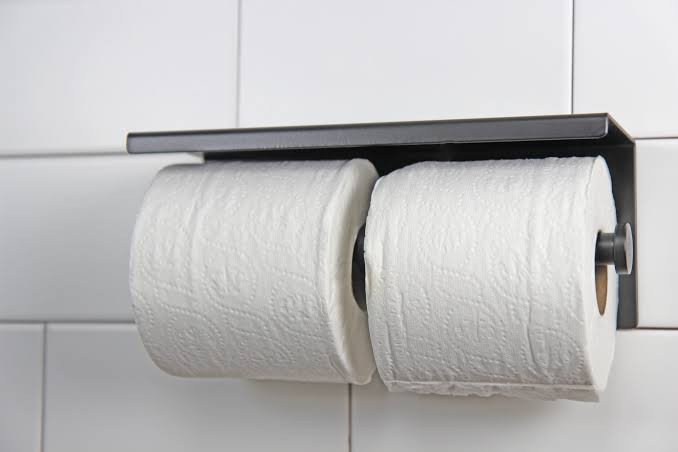
A toilet paper holder takes 20 minutes to replace and costs $10 to $40. The challenge is not the new holder. It is removing the old one without destroying the drywall behind it, and then covering the old mounting holes if the new holder does not align with them. This is a project where patience with a tiny Allen wrench determines whether you spend 20 minutes or two hours, highlights property management Portland team.
Here is how to remove the old holder, deal with the holes it leaves behind, and install the new one so it stays attached to the wall when someone yanks the roll.
Step One: Figure Out How the Old Holder Is Attached and Remove It
Toilet paper holders are attached in one of three ways. The removal method is different for each.
Set screw mount. This is the most common type. Look for a tiny hole on the underside or side of each mounting post, the circular base where the holder arm meets the wall. Inside the hole is a set screw, typically requiring a 1/16-inch or 3/32-inch Allen wrench. Loosen the set screw. Do not remove it completely. Once it is loose, the mounting post slides off a metal bracket that is screwed to the wall. Repeat on the other side. The brackets stay attached to the wall.
Spring-loaded mount. One or both arms of the holder compress like a spring. Grip the arm firmly and pull it away from the wall. The arm slides off a mounting pin. The pin stays in the wall. This type is common on older or budget holders and leaves the smallest holes in the wall.
Concealed bracket mount. The holder is held against the wall by a hidden bracket that locks into place. There are no visible screws. Look for a small release tab or set screw on the underside of the base plate. If there is no visible fastener, the holder likely lifts up and off a slotted bracket. Grip the holder firmly and push up while pulling away from the wall. If it does not release, do not force it. There is a fastener somewhere you have not found. Forcing a concealed bracket holder off the wall pulls the bracket and the drywall anchors out with it.
Once the holder is off, remove the mounting brackets or pins from the wall by unscrewing them. If the screws just spin and do not back out, the drywall anchors behind them have stripped. Grip the screw head with pliers and pull while turning. The anchor will come out with the screw. If the anchor is pushed into the wall cavity and you cannot retrieve it, push it all the way in. It falls inside the wall and you install a new anchor in the same hole or patch the hole.
Step Two: Deal With the Old Holes
If the new holder uses the same mounting bracket spacing, you can reuse the existing holes. This is the easiest outcome and happens when you replace a holder with a similar model from the same brand. Test-fit the new bracket over the old holes before assuming they match.
If the new holder does not align with the old holes, you have two options. Mount the new holder in the same location and patch the old holes, or move the holder to a new location and patch the old holes. Either way, you need to patch holes in drywall.
For holes smaller than a quarter inch from screws or anchors, fill them with spackling compound. Press the spackle into the hole with a putty knife, scrape the surface flat, and let it dry for two to four hours. Sand lightly with 120-grit sandpaper. Touch up with paint that matches the wall. If you do not have matching paint, a small sample jar color-matched to a chip of drywall from behind the old holder costs $5 to $8.
For holes larger than a quarter inch from toggle bolts or wall anchors that tore out, the repair is slightly more involved. Enlarge the hole slightly to create a clean circle. Insert a self-adhesive mesh drywall patch over the hole. Spread spackling compound over the patch in thin layers, letting each layer dry before applying the next. Two or three thin layers produce a smooth surface. Sand and paint.
Step Three: Install the New Holder
Decide on placement. The standard height for a toilet paper holder is 26 inches from the floor to the center of the holder, and 8 to 12 inches in front of the toilet bowl. This is a guideline, not a code requirement. Sit on the toilet and reach back naturally with your dominant hand. Where your hand falls is the correct location. The holder should be reachable without leaning or twisting.
Mark the mounting holes using the bracket as a template. Hold the bracket against the wall at the correct height and position. Use a level to align it. Mark the screw holes with a pencil. If the bracket has slotted holes, mark the center of each slot so you have adjustment room after drilling.
Drywall alone cannot support a toilet paper holder that gets pulled on daily. You need wall anchors. For standard hollow drywall, use self-drilling drywall anchors rated for 25 to 50 pounds. These screw into the drywall with a Phillips screwdriver and accept the mounting screws that came with the holder. Do not use the cheap plastic ribbed anchors that come in the package with most holders. They loosen over time from the repeated push-pull motion of tearing toilet paper.
Better options include toggle bolts for the strongest hold, which clamp against the back of the drywall. Threaded drywall anchors, often called E-Z Anchors or Zip-Its, which bite into the drywall and hold better than ribbed anchors. Or if you have access behind the wall from an adjacent closet, a piece of 2-by-4 blocking screwed between the studs provides a solid wood surface to screw into and makes the anchor question irrelevant.
Drill the holes for the anchors. The drill bit size depends on the anchor type. The anchor package specifies the bit size. Press the anchor into the hole. It should be snug. If the hole is too large and the anchor spins, patch the hole and drill a new one slightly smaller. Screw the mounting bracket to the wall through the anchors. Tighten the screws until the bracket is firmly against the wall and does not rock. Overtightening strips the anchor or crushes the drywall.
Slide the holder posts or base plate onto the mounting bracket. Tighten the set screws. Do not overtighten. The set screw is tiny and the threads are fine. Overtightening strips the threads in the mounting post, and the holder will never stay tight again. Snug is enough. The set screw only needs to prevent the post from sliding off the bracket. It does not bear weight.
Installing a Spring-Loaded or Freestanding Holder
Spring-loaded toilet paper holders require no wall mounting. The spring inside the bar compresses between two posts that are pressed into the wall by the spring tension alone. They are the easiest option and the least secure. They work well in rental apartments and bathrooms where you do not want to drill into tile. They fall off the wall when someone pulls the toilet paper at the wrong angle.
Freestanding toilet paper holders sit on the floor next to the toilet. They require no installation. They are the best choice for bathrooms with tile walls that you do not want to drill into, and for renters who cannot modify the wall. They cost $20 to $50. The downside is they take up floor space and can tip over if not weighted properly.
Drilling Into Tile Without Cracking It
If your toilet paper holder mounts to a tile wall, the process is the same except for drilling the holes. You cannot drill tile with a standard drill bit. You need a carbide-tipped masonry bit or a diamond-tipped tile bit, which costs $10 to $15 for a set. Place a piece of painter’s tape over the mark to keep the bit from wandering when you start drilling. Drill slowly with light pressure. Let the bit do the work. Pressing hard cracks the tile. Once you are through the tile and into the drywall or cement board behind it, switch to the standard anchor installation process.
If the tile is on a bathroom wall and you hit a stud behind it, which is uncommon for toilet paper holder placement but possible, you can screw directly into the stud without an anchor. A wood screw into a stud is the strongest possible mount.
Frequently Asked Questions
The set screw is completely stripped. How do I get the old holder off?
Grip the mounting post with channel locks or pliers, padded with a rag to protect the finish, and twist. The set screw is tiny and soft. Enough rotational force shears it off or spins it out of the stripped threads. The holder comes off. The bracket underneath is undamaged and can be unscrewed normally. If the holder is too tight to twist by hand, cut a slot across the stripped set screw head with a rotary tool and a cutoff wheel, then use a flathead screwdriver.
My new holder is a pivot-arm style that swings out. Will wall anchors hold it?
Toggle bolts are the right choice for pivot-arm holders. The swinging motion applies leverage to the wall anchors that a standard fixed holder does not. Toggle bolts clamp against the back of the drywall and resist pull-out from leverage. Self-drilling plastic anchors are not strong enough for pivot-arm holders and will loosen within months.
Is there a standard height for toilet paper holders?
Twenty-six inches from the floor to the center of the holder is the standard specified by the National Kitchen and Bath Association. The Americans with Disabilities Act specifies 19 inches minimum and 48 inches maximum, with 24 to 28 inches typical for accessible installations. For a residential bathroom, sit on the toilet and mark where your hand naturally reaches. Comfort matters more than a guideline.