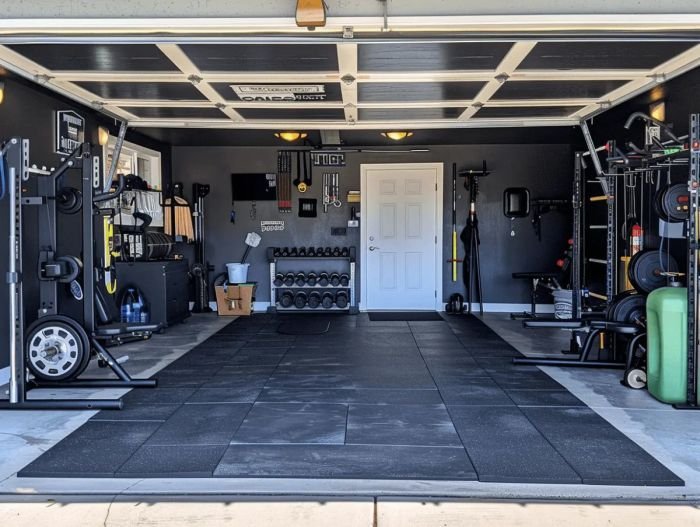
A garage gym has paint requirements that a living room does not. The walls will be struck by kettlebells. The floor will absorb dropped deadlifts. The air will be humid with sweat and respiration. The paint must be durable enough to survive impact, cleanable enough to wipe down after workouts, and the right color to make a windowless garage feel like a place you want to spend an hour at 6 a.m. The paint in a garage gym is not decoration. It is the first layer of equipment, notes Keyrenter Alexandria Team.
According to wikiHow’s garage floor painting guide, co-authored by general contractor Mark Spelman with over 30 years of construction experience, the choice between latex acrylic and epoxy for a garage floor is a tradeoff between cost and durability. For a gym floor that will absorb dropped weights, the durability of epoxy justifies the higher cost. This guide covers paint selection for walls and floors, color strategies for a workout space, and the mistakes that leave a garage gym looking worn within the first year.
Floor Paint: Epoxy Is the Only Serious Option
A garage gym floor takes abuse that no other painted floor in the house endures. Deadlift platforms help, but stray drops, dropped dumbbells, and the scrape of bench feet across the surface happen. Latex acrylic garage floor paint costs $0.30 to $0.50 per square foot and lasts about two years under gym use before it begins to peel and wear through. Epoxy garage floor coating costs $0.60 to $1.00 per square foot and lasts four to five years under the same conditions. The epoxy cost premium is $120 to $200 for a two-car garage. The cost of stripping and repainting a failed latex floor is more than the initial epoxy premium.
Epoxy is a two-part coating that chemically bonds to the concrete. It resists impact, chemicals, and abrasion better than latex paint. The concrete must be clean, dry, and etched before application. Etching opens the concrete pores so the epoxy can bond. An epoxy kit for a two-car garage costs $100 to $200 and includes the epoxy, the etching solution, and decorative color flakes if desired. The installation takes two days: one day for cleaning, etching, and drying, and a second day for applying the epoxy. The floor cannot be walked on for 24 hours after application and cannot support heavy equipment for 72 hours.
Color flakes, the vinyl chips broadcast over the wet epoxy, are not just decorative in a gym. The texture they provide adds grip. A smooth epoxy floor is slippery when wet with sweat. The flakes create a slightly textured surface that provides traction. They also hide dust and chalk marks better than a solid color floor. A light gray base coat with black and white flakes is the standard garage gym floor because it looks clean and hides gym debris.
Wall Paint: Scrubbable and Impact-Resistant
Garage gym walls need a paint that can be wiped down. Chalk dust, sweat spray, and the occasional scuff from a barbell leaning against the wall are part of gym life. Flat or matte paint absorbs moisture and cannot be cleaned. Eggshell has a slight sheen and is minimally cleanable. Satin is the minimum sheen for a garage gym wall. It wipes clean with a damp cloth and hides minor scuffs. Semi-gloss is the most durable and cleanable wall paint. It reflects light, which brightens a windowless garage, and it wipes down with a sponge and mild cleaner. The tradeoff is that semi-gloss shows every drywall imperfection. If the garage walls are rough or have visible drywall seams, satin is a better balance of durability and forgiveness.
Per wikiHow’s guide, proper surface preparation is essential before painting any garage surface. For walls, this means cleaning off dust and cobwebs, patching holes, and applying a primer before the finish coat. Garage walls that were never painted, or were painted decades ago, need a primer to seal the surface and prevent the finish coat from absorbing unevenly. A PVA primer for new drywall, or a bonding primer for previously painted surfaces, costs $15 to $25 per gallon.
Color Strategies for a Garage Gym
Light and Neutral for Small or Windowless Garages
A garage gym with no windows needs light colors to feel larger and brighter. White, off-white, light gray, or the palest beige on the walls reflects the overhead lights and makes the space feel open. The floor is gray epoxy. The walls are white. The contrast is clean and functional. This is the least expensive color strategy and the most effective for making a small garage feel like a gym instead of a storage closet.
Dark and Moody for a Focused Atmosphere
Dark walls, charcoal gray, navy blue, or black, in a garage gym create a focused, intense atmosphere. This works in garages with high ceilings and good artificial lighting. The dark walls recede, and the gym equipment, which is typically black or dark metal, blends into the background. The floor should be lighter than the walls to create contrast and prevent the entire room from feeling like a cave. A light gray epoxy floor with dark charcoal walls is a common combination that looks intentional.
One Accent Wall for Color Without Overwhelming
A single accent wall in a bold color, red, orange, electric blue, behind the primary workout area adds energy without making the entire garage feel like a gym-themed restaurant. The remaining three walls are white or light gray. The accent wall is the backdrop for the squat rack or the deadlift platform. The color provides motivation. The neutral walls keep the space from feeling chaotic. This is the most flexible strategy because the accent wall can be repainted in an afternoon when the color loses its appeal.
Ceiling Paint: Don’t Forget to Look Up
The garage ceiling is often unfinished, with exposed joists, ductwork, and wiring. Painting the ceiling flat black is the standard treatment for a garage gym. The black makes the ceiling visually disappear. The exposed mechanicals become a texture rather than an eyesore. Flat black paint absorbs light and hides dust. A painted ceiling also reflects less glare into the eyes when lying on a bench looking upward. The ceiling paint costs $30 to $60 for a two-car garage and takes a day to apply with a sprayer or a roller.
Common Garage Gym Paint Mistakes
- Latex floor paint instead of epoxy. The $150 savings disappears when the floor needs to be repainted in two years. Epoxy is the correct floor coating for a gym.
- Gloss paint on the floor without texture. A high-gloss epoxy floor without color flakes or a non-slip additive is dangerously slippery when wet with sweat. Add flakes or a non-slip additive.
- Flat paint on the walls. Gym walls get dirty. Flat paint cannot be cleaned. Use satin or semi-gloss.
- Dark floor and dark walls together. The room becomes a black hole. The floor or the walls must be light. Both cannot be dark unless the gym has abundant natural light.
- Skipping the primer. Garage walls absorb paint unevenly because they have never been painted or were painted decades ago. Primer seals the surface and makes the finish coat uniform.
Frequently Asked Questions
Should I paint the floor if I am putting down rubber gym mats?
If the entire floor will be covered with rubber mats or interlocking gym tiles, painting the concrete is optional. The mats protect the concrete from impact and the concrete is not visible. If only part of the floor will be covered, such as a deadlift platform area, paint the exposed concrete. The painted and unpainted areas will age differently, and a partially painted floor looks unfinished if the mats are ever rearranged. Paint the entire floor before installing mats. The paint seals the concrete against moisture and makes cleaning the exposed areas easier.
How do I know if my garage concrete has too much moisture for epoxy?
Tape a 2-foot square of clear plastic sheeting to the concrete floor with duct tape on all four sides. Leave it for 48 hours. If condensation forms under the plastic, the concrete is transmitting moisture. Epoxy applied over moist concrete will delaminate within months. The moisture must be addressed with a vapor barrier or the concrete must be allowed to dry. A garage slab in a dry climate with proper exterior drainage typically passes the test. A slab in a wet climate or with poor drainage may not.
The Gym That Looks Like a Gym
The paint in a garage gym is the background for every workout. The epoxy floor with flakes provides grip and durability under dropped weights. The satin walls in light gray wipe clean after sweaty sessions. The flat black ceiling makes the overhead disappear. The accent wall in red behind the squat rack provides energy without overwhelming the space. The total paint cost for a two-car garage gym is $200 to $400 for materials. The work takes a weekend. The result is a gym that looks intentional, cleans easily, and survives the abuse that a garage gym dishes out. The paint is not the most expensive part of the gym. It is the cheapest part that makes the entire space feel finished.