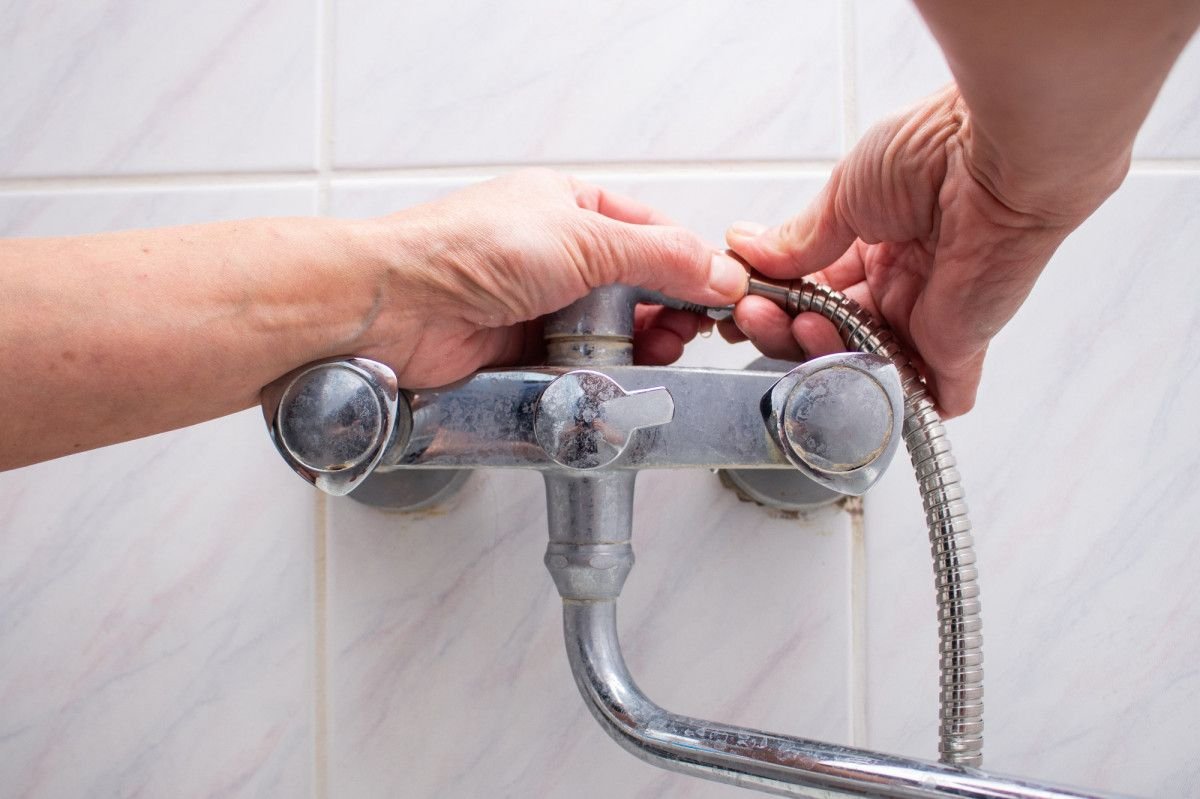
It is 2:47 in the morning and you can hear it. Drip. Pause. Drip. You have been meaning to fix it for three weeks and the sound is getting sharper, which means the drip is getting faster. A two-handle bathroom faucet leaking from the spout is almost always a worn rubber washer at the bottom of the stem, notes Keyrenter Silicon Valley, a trusted Los Gatos Property Management. The fix costs about two dollars and takes fifteen minutes, and the hardest part is remembering to buy the right size washer before you take the faucet apart.
Fixing a two-handle faucet is not like fixing a single-handle kitchen faucet with a cartridge you have to special-order online. The two-handle design is a compression faucet. Each handle screws a rubber washer down against a metal seat. The washer wears out. You replace it. The mechanism has not changed in eighty years because it works.
Before You Turn a Single Wrench — Where Is the Water Coming From
The location of the leak tells you exactly which part to replace. A drip from the spout means the rubber seat washer at the bottom of the stem has worn down or hardened. A leak coming from around the base of the handle, where the handle meets the faucet body, means the O-ring on the stem has failed or the packing nut has loosened. A leak from both handles at the same time is almost always two separate problems. Fix each side individually.
If the hot side drips faster than the cold side, that is expected. Heat accelerates rubber degradation. The hot-side washer in a ten-year-old faucet will look like a Cheerio that someone stepped on while the cold-side washer might still be round. Replace both washers even if only one side is leaking. The other side is not far behind.
Shut Off the Water and Get the Handle Off Without Breaking Anything
Look under the sink for two shutoff valves on the water supply lines. Turn both clockwise until they stop. If the valves have not been touched in years, they may be stuck. Apply penetrating oil to the stem where it enters the valve body, wait five minutes, and try again with a gentle grip. Forcing a stuck shutoff valve with a wrench can twist the copper supply line, which turns a fifteen-minute washer job into an afternoon soldering copper pipe under the sink.
Open the faucet to release any remaining pressure and confirm the water is off. Now remove the handle. Pry off the decorative cap in the center of the handle with a small flathead screwdriver. Underneath it is a Phillips screw. Remove the screw and pull the handle straight up. If the handle does not budge, it is corroded onto the stem. A handle puller tool costs eight dollars and removes it in ten seconds without scratching the chrome. Prying with a screwdriver leaves gouges you will see every time you wash your hands.
The Stem, the Washer, and the O-Ring — What Actually Stops the Water
A compression faucet stem is a brass rod with coarse threads on the outside and a rubber washer screwed to the bottom. When you turn the handle, the threads drive the stem downward until the washer presses into a round brass seat at the bottom of the valve body. The seal between the rubber washer and the brass seat is what stops the water. Over years of use, the washer compresses, hardens, or develops grooves, and water squeezes past it one drip at a time.
Remove the packing nut first. It is the hexagonal nut visible after the handle comes off. Turn it counterclockwise with an adjustable wrench. Underneath the packing nut, you will find a small rubber O-ring seated in a groove on the stem. Pry it off with a pick or a small flathead screwdriver and slide on a replacement coated with a thin film of plumber’s grease. A dry O-ring binds against the packing nut and wears out within months. A greased one lasts a decade.
Now unscrew the entire stem from the valve body. It turns counterclockwise just like the packing nut, but it takes several full rotations because of the coarse threads. At the bottom of the stem is the seat washer, held in place by a small brass screw. Remove the screw, pull off the old washer, and compare it to your replacement. The new washer must be the same diameter and the same shape. A flat washer in a beveled seat will not seal, and a beveled washer on a flat seat will rock instead of compress.
| Washer type | Seat shape | Common in |
| Flat | Flat seat | Older American Standard, Kohler |
| Beveled (cone) | Tapered seat | Delta, some Moen two-handle |
| Dome | Curved seat | Price Pfister, some imports |
The Valve Seat — The Part Nobody Checks, and Why a New Washer Still Leaks
Shine a flashlight into the valve body and look at the brass seat where the washer makes contact. If the seat is smooth and shiny, the new washer will seal. If the seat has a rough ring, mineral deposits, or a groove worn into the brass, a brand new washer will start dripping again within weeks. The washer conforms to the seat. A damaged seat damages the new washer in the same pattern as the old one.
A seat dressing tool grinds the seat surface flat and smooth again. It costs about fifteen dollars and threads into the valve body just like the stem. Turn it by hand with steady pressure, removing only enough material to restore a clean sealing surface. Do not over-grind. You are dressing the seat, not resurfacing a brake rotor. If the seat is deeply pitted and the dressing tool cannot remove the damage without grinding below the brass surface, the seat itself needs to be replaced. Replacement seats thread out with a large Allen key called a seat wrench. Most homeowners never need this step, but if you replace a washer and the faucet still drips, the seat is the reason.
Reassembly and the Moment You Turn the Water Back On
Reinstall the stem by threading it clockwise into the valve body until it bottoms out, then back it off slightly so the handle has room to turn. Slide the greased O-ring into its groove, thread the packing nut back on, and tighten it until it is snug. The packing nut only needs to be tight enough that water does not escape around the stem. Over-tightening it crushes the O-ring and makes the handle stiff.
Reattach the handle with its screw and snap the decorative cap back into place. Before you turn the water back on, close both faucet handles completely. Open the shutoff valves under the sink slowly. A sudden rush of water pressure can knock loose sediment in the pipes and jam it into the new washers. Turn the hot handle first, then the cold, and watch the spout. No drip means you are done. A slow drip means the packing nut needs another quarter turn. A steady drip from the spout means the seat washer is not sealing, and you need to go back in and inspect the valve seat.
The plumber who lived next door to me growing up said something I still think about every time I fix a faucet: if you finish the job and the faucet does not drip, do not touch it again. The instinct to give the packing nut one more quarter turn just to be sure is how you crush the O-ring and start the whole job over.
FAQ — Two-Handle Faucet Leaks
I replaced the washer and it still drips. What did I do wrong?
Three things in order of likelihood. First, the valve seat underneath the washer is scored or pitted. A new washer cannot seal against a damaged seat. Use a seat dressing tool to resurface it. Second, the replacement washer is the wrong shape. A flat washer in a beveled seat will leak. Take the old washer to the hardware store and match both the diameter and the profile. Third, the brass screw holding the washer was not tightened enough, and the washer shifted when the stem pressed down.
Can I use any washer, or do I need a specific size?
Washers come in specific diameters, typically 3/8 inch, 7/16 inch, 1/2 inch, and 5/8 inch for bathroom faucets. A washer that is too small will not contact the seat evenly. One that is too large will bunch up at the edges. Buy an assorted washer kit for five dollars, remove the old washer, and match it to the closest size in the kit. If you are between sizes, go slightly smaller. A washer that is 1/32 inch too small still seals. One that is too large will not seat at all.
How do I know if I should just replace the whole faucet?
Replace the faucet if the stem threads are stripped, the valve body is cracked, or the seat is so deeply pitted that a dressing tool cannot restore a smooth surface without grinding through the brass. Also replace it if the faucet is so old that you cannot identify the brand to find matching replacement stems. A new two-handle bathroom faucet costs between forty and a hundred dollars and installs in under an hour. If you have spent two hours and three trips to the hardware store trying to fix a forty-year-old faucet with no brand markings, the new faucet is the cheaper option by the time you value your Saturday.