First, Identify Your Metal Roof Type — It Changes Everything
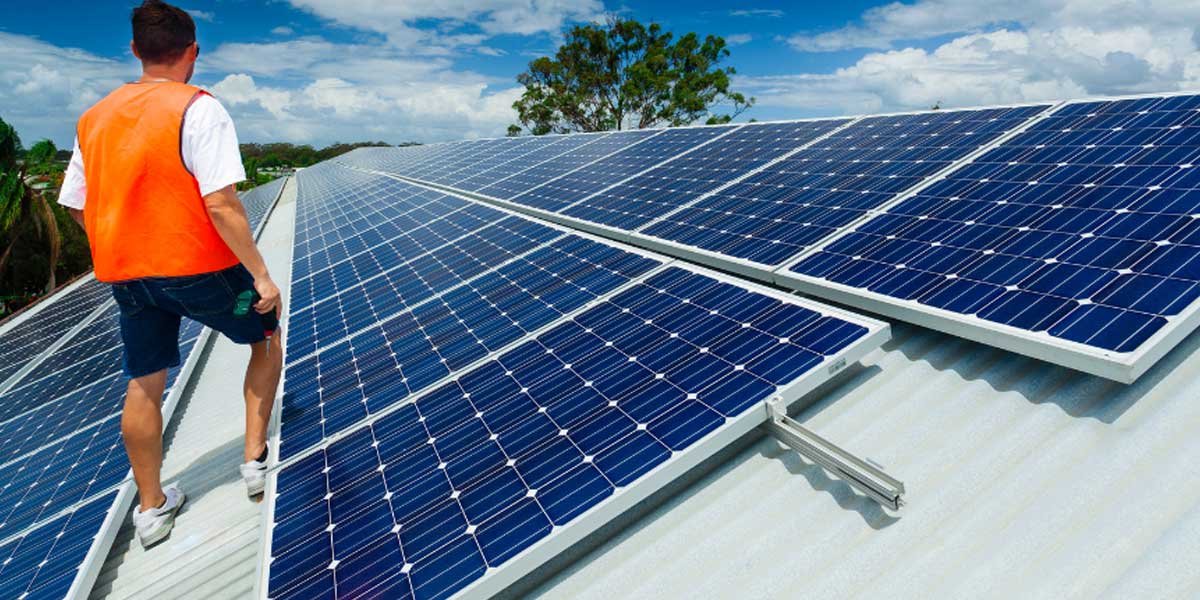
When a solar installer asks what kind of roof you have, answering “metal” is not enough, observes property management in Harford County. The installation method and cost depend entirely on the specific profile of your metal roof. Before you start requesting quotes, you need to know exactly what you are dealing with.
If you are not sure what type of metal roof you have, the easiest way to check is to look at how the panels connect to each other. You can usually see this from the ground or by looking out a second-story window.
Standing Seam Metal Roofs
A standing seam metal roof features flat panels with vertical ribs at the edges where the panels connect. These ribs, or seams, stand up about one to two inches from the flat surface of the roof. The most critical characteristic of a standing seam roof is that you cannot see any screws or fasteners on the surface; they are all hidden underneath the panels.
This is the gold standard for solar installations. Installers use specialized clamps that grip the raised seams tightly without penetrating the metal. Because there are no holes drilled into the roof, there is virtually zero risk of water leaks. According to SolarReviews, the clamps used on standing seam roofs are made from high-strength aluminum and typically carry at least a 10-year warranty.
Corrugated and Exposed-Fastener Metal Roofs
Corrugated metal roofs have a continuous wavy or trapezoidal pattern. The defining feature of this roof type is the visible screws or fasteners driven directly through the metal surface to attach the panels to the roof deck below.
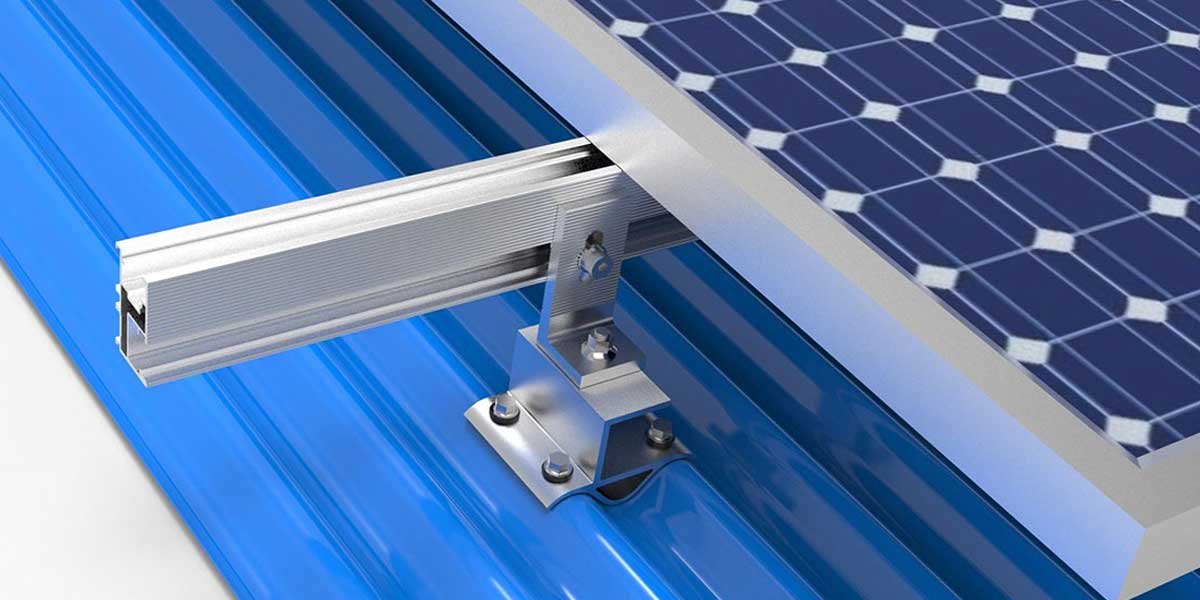
Installing solar on this type of roof is completely feasible, but it requires drilling new holes through the metal to attach the mounting brackets. This introduces a risk of leaks if the installer does not use the correct sealing methods. Western States Metal Roofing notes that creating penetrations in a corrugated roof can potentially void the roof manufacturer’s warranty, depending on the specific product, so checking with your manufacturer before proceeding is essential.
Metal Tile and Shake Roofs
These roofs are designed to mimic the appearance of traditional clay tiles, slate, or wood shakes, but they are stamped from metal. They often have complex, textured surfaces.
This is the most challenging metal roof type for solar installations. It requires specialized mounting hardware that must replace specific metal tiles or navigate the complex contours of the roof. Many general solar installers lack the experience required to handle this type of roof correctly. As one homeowner on Reddit discovered after weeks of research, the key is to contact your specific metal tile manufacturer directly, as they will often provide guidance on approved installation methods and compatible hardware.
5V Crimp and PBR Panel Roofs
5V crimp roofing features five V-shaped ridges across each panel and is commonly found on agricultural buildings and older homes. PBR (Purlin Bearing Rib) panels are similar in that they use exposed fasteners. Both roof types can accommodate solar panels using the same general approach as corrugated roofs, with specialized brackets attached at the panel ridges and proper sealing at every penetration point.
What Does Solar Installation Actually Cost on a Metal Roof?
One of the most frustrating parts of shopping for solar is the wild variation in quotes. When it comes to metal roofs, the price differences often stem from the mounting hardware required for your specific roof type.
For standing seam roofs, you should generally not pay any extra premium for the installation. In fact, because the clamp-on mounting systems are so fast and easy to install, the labor costs should theoretically be lower than a standard asphalt shingle installation. If an installer tries to charge you a premium for a standing seam roof, they are likely taking advantage of your lack of knowledge.
“We install on these all the time as well, do not charge extra for them. The cost is about the same as other attachment methods… It is honestly easier and less work to install on a standing seam roof. don’t let these people dick ya around. If you need another quote to show them, LMK. It sounds like they are just trying to find little hidden things to jack up the cost for no reason, not cool.”
– r/solar, August 2022
If you have a corrugated or exposed-fastener roof, you can expect to pay slightly more. The specialized brackets required for these roofs, along with the extra time needed to ensure proper waterproofing at every drill point, typically add between $500 and $2,000 to the total project cost.
For metal tile roofs, the costs increase significantly. The specialized replacement mounts and the delicate labor required to avoid crushing the metal tiles can add $1,000 to $3,000 to your final bill.
| Roof Type | Mounting Method | Typical Extra Cost | Leak Risk |
|---|---|---|---|
| Standing Seam | Clamp-on (No holes) | $0 | Very Low |
| Corrugated / Exposed-Fastener | Drill-through with brackets | $500 – $2,000 | Moderate (depends on sealing) |
| Metal Tile / Shake | Specialized replacement mounts | $1,000 – $3,000 | Moderate to High |
| 5V Crimp / PBR | Drill-through with brackets | $500 – $1,500 | Moderate |
Before You Call a Solar Installer: The Roof Assessment Checklist
Before you start negotiating with solar companies, you need to assess the current state of your roof. Installing solar panels is a multi-decade commitment, and your roof needs to be ready for it.
First, consider the age of your roof. While metal roofs can last 40 to 70 years, if your current roof is already 30 years old and showing signs of rust or significant wear, you should replace it before installing solar panels. Removing and reinstalling a solar array to accommodate a roof replacement later can cost thousands of dollars in labor.
Second, verify the structural capacity of your building. Solar panels and their mounting hardware typically add 2 to 4 pounds of dead weight per square foot to your roof. While most residential homes can easily handle this, prefabricated metal buildings or older agricultural structures might require structural reinforcement before they can safely support an array.
“Also double check the structural capacity of the roof, a lot of pre fab metal buildings don’t have a lot of reserve capacity.”
– r/solar, May 2023
Third, check your roof’s orientation and pitch. South-facing roofs with a slope between 15 and 40 degrees produce the most electricity in the Northern Hemisphere. East- and west-facing roofs are also viable, though they generate roughly 15 to 20% less energy than an ideal south-facing installation. Flat or nearly flat metal roofs can still support solar panels using tilted racking systems, though this adds cost.
Finally, inspect for any existing damage. Look for loose fasteners, failing sealants around vents or penetrations, or areas where water currently pools. These issues must be repaired by a qualified roofer before the solar installers arrive.
The Corrugated Roof Problem: What No One Tells You
If you have a corrugated or exposed-fastener metal roof, you face a unique set of challenges that most solar sales pitches gloss over. Because the installation requires drilling holes through the metal, the risk of long-term damage is real if the job is done poorly.
The most critical detail is where the holes are drilled. Mounting brackets must always be attached to the high points (the peaks or ridges) of the corrugated metal, never in the low points (the valleys). Water naturally flows through the valleys during rainstorms. If a hole is drilled in a valley, even the best sealant will eventually fail under constant water pressure, leading to leaks and rust.
Thermal expansion is another major factor. Metal roofs expand and contract significantly as temperatures change throughout the day and the seasons. A 100-foot metal roof panel can expand by more than an inch on a hot summer day. If the solar mounting rails restrict this natural movement, the stress can tear the mounting screws right out of the metal deck, or warp the roof panels permanently. Installers must use mounting systems specifically designed to accommodate this thermal movement.
“I have a new metal roof followed by a solar install a couple months later. I’m attaching some of the many pictures of damage done during install. I’m concerned this is significant and will cause me problems years down the line. I’m sure there’s more damage under the panels I can’t see.”
– r/Roofing, June 2024
To prevent these disasters, installers must use specialized fasteners. The industry standard is a self-piercing screw equipped with an EPDM rubber sealing washer. When driven correctly, the rubber washer compresses to form a watertight seal that can withstand decades of weather exposure. Companies like EcoFasten Solar have developed rail-less systems specifically for corrugated and trapezoidal metal roofs that minimize the number of penetrations required while maintaining structural integrity.
How to Find a Solar Installer Who Actually Knows Metal Roofs
Finding a competent installer is the most critical step in this process. Many general solar companies primarily work on asphalt shingle roofs and may try to apply those same techniques to your metal roof, which is a recipe for disaster.
When interviewing potential installers, use this specific question checklist to filter out the inexperienced ones:
1. “How many metal roofs of my specific type have you installed solar on?” Ask for photos of their previous work on roofs identical to yours. A competent installer will have a portfolio ready.
2. “What brand of mounting hardware do you use?” Look for industry-standard brands that specialize in metal roofs, such as S-5!, Quick Mount PV, or EcoFasten. These companies engineer their products specifically for different metal roof profiles and back them with strong warranties. If they use generic brackets, walk away.
3. “If I have a standing seam roof, do you use bullet-nose or cup-point set screws?” This question separates the experts from the amateurs. They must use bullet-nose screws. Cup-point screws cut through the protective paint coating on your roof, exposing bare metal that will rust and voiding your roof warranty.
4. “How do you handle worker safety and fall protection on a metal roof?” Metal roofs are extremely slippery. Installers often need to attach temporary safety anchors to the roof. Ask exactly how they plan to attach these anchors and how they will seal the holes when they remove the anchors after the job is done.
5. “Will you provide a pre-installation and post-installation photo inspection?” You need photographic proof of the roof’s condition before they start, and detailed photos of every mounting point after they finish. This documentation is your protection if damage is discovered later.
Protecting Your Roof Warranty During Solar Installation
A new metal roof is a major investment, and the last thing you want is for a solar installation to void your manufacturer’s warranty.
For standing seam roofs, because the clamps do not penetrate the metal, the installation generally does not affect the roof warranty. However, you must still ensure the installer uses the correct clamps and torque settings so they do not dent or warp the seams. S-5! products, for example, are approved and recommended by almost all major metal roof manufacturers.
For corrugated or metal tile roofs where drilling is required, the situation is much more delicate. Many metal roof manufacturers will void their warranty if unauthorized penetrations are made. Before you sign a solar contract, contact your roof manufacturer directly. Ask them for their specific guidelines regarding solar installations. They will often provide a list of approved mounting hardware or specific sealing procedures that must be followed to keep the warranty intact.
“I called the company that makes the metal shingles I was considering and asked them directly. Turns out they say it’s fine to install solar on top, and they recommend a particular kind of connector to do it with. Their rep offered to talk to my solar installer and provide them with guidance on how to do it if needed/desired.”
– r/solar, August 2022
Beyond the manufacturer warranty, insist that your solar installer provides a robust workmanship warranty. If their mounting methods cause a leak five years from now, their warranty should cover both the repair of the roof and any interior water damage caused by their negligence.
Why Metal Roofs Are Actually the Best Choice for Solar
Despite the specific requirements for installation, combining a metal roof with solar panels creates an incredibly efficient and durable energy system for your home.
The longevity of the two systems matches perfectly. A high-quality metal roof will easily outlast the 25 to 30-year lifespan of modern solar panels. You will not face the costly nightmare of removing your solar array halfway through its life just to replace failing asphalt shingles. EnergySage notes that while asphalt roofs often only last 12 to 30 years, metal roofs easily last 40, sometimes up to 70 years.
Metal roofs also provide superior heat reflection. Solar panels actually lose efficiency as they get hotter. Because metal roofs reflect a significant amount of solar radiation rather than absorbing it like dark asphalt, the ambient temperature around the panels stays lower, allowing them to generate electricity more efficiently during the hottest parts of the day.
If you take the time to identify your roof type, understand the specific mounting requirements, and hire an installer who truly understands metal roofing systems, you will end up with a solar installation that is more durable, more efficient, and less prone to leaks than almost any other roof type available.